
Understanding the Importance of Reading
Reading is a foundational skill that plays a crucial role in a child’s development. It influences various aspects of cognitive growth and enhances vocabulary, which is essential for effective communication. Engaging with books from an early age helps children make sense of the world around them, contributing to their cognitive abilities and critical thinking skills. Children who read regularly are more likely to excel academically, as they possess a greater understanding of language structure and comprehension.
Moreover, reading has a significant impact on vocabulary enhancement. Exposure to diverse texts introduces children to new words, phrases, and linguistic nuances that they may not encounter in everyday conversation. This expanded vocabulary is not only beneficial for academic purposes but also advantageous in social situations, helping children articulate their thoughts and feelings more clearly. The richer their vocabulary, the more effectively they can engage in dialogue and express themselves.
Fostering imagination is another critical aspect of reading. Literature allows children to explore different worlds, cultures, and perspectives, nurturing their creativity and empathy. Through stories, they can experience various emotions and learn to understand the feelings of others, which is a cornerstone of compassionate human interaction. This imaginative engagement can lead to a greater sense of self and enhance problem-solving skills, as children learn to navigate complex narratives and characters.
In addition to the immediate benefits, the long-term impacts of a robust reading habit are well-documented. Children who frequently read tend to achieve higher academic success, perform better on standardized tests, and develop essential life skills that contribute to their overall well-being. Furthermore, as they become more empathetic individuals, they are likely to form deeper connections with peers and adults, fostering a sense of community that enriches their lives. Encouraging reading should thus be a priority for parents and educators alike, as it lays the groundwork for a lifetime of learning and growth.
Creating a Reading-Friendly Environment
Establishing a nurturing reading environment at home is essential for fostering a love of reading in children. An organized and accessible collection of books can greatly encourage children to explore various genres and topics. Parents should dedicate a specific area in the home to house books, ensuring that it is easily accessible for children of all ages. This space could be a shelf in the living room, a dedicated bookcase in the child’s bedroom, or even a small nook designed just for reading. By presenting books under a clear, organized system—such as categorizing them by age, genre, or theme—children can independently discover new stories and revisit their favorites.
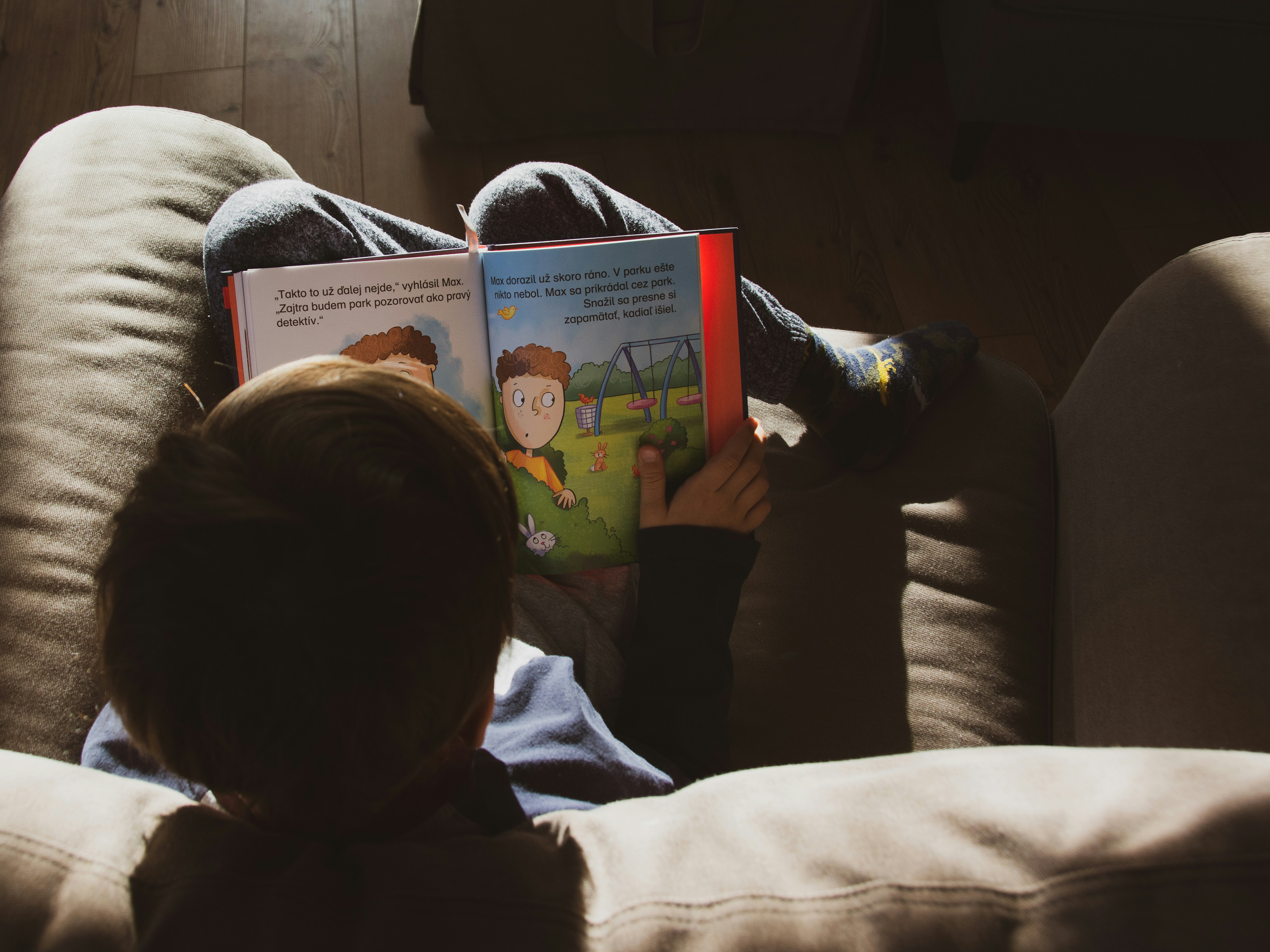
Moreover, creating cozy reading nooks can significantly enhance a child’s engagement with reading. This space should be inviting, with comfortable seating options like bean bags, cushions, or a small sofa. Soft lighting, such as a reading lamp or natural light from windows, can also contribute to a serene atmosphere. Parents might consider adding personal touches to the reading nook—such as children’s artwork, a soft blanket, or decorative pillows—to make the space feel welcoming and unique.
Minimizing distractions is another crucial aspect of cultivating a reading-friendly environment. In today’s world filled with screens and noise, it can be difficult for children to focus on reading. Designating specific times or areas in the home for reading can help instill this habit. Consider turning off the television, putting mobile devices on silent, and encouraging quiet during designated reading times. This practice not only helps children concentrate but also allows them to immerse themselves in their books without interruptions. By implementing these strategies, parents can create an enriching reading environment that inspires children to develop a lifelong love of reading.
Incorporating Reading into Daily Routines
Integrating reading into daily routines is an effective strategy for parents aiming to foster a love for literature in their children. By making reading a regular part of family life, parents can help children associate it with enjoyment and bonding rather than a chore. One of the most impactful ways to incorporate reading is through bedtime stories. Establishing a nightly ritual where a parent reads to their child can create a comforting environment, making children look forward to these moments. This practice not only enhances vocabulary and comprehension skills but also strengthens the emotional connection between parent and child.
Additionally, consider incorporating reading during meal times. Whether it is reading a book aloud or sharing stories about books encountered throughout the day, these moments can stimulate discussions about characters, plots, and moral lessons found in literature. This not only encourages children to engage more deeply with stories but also elevates everyday meals into opportunities for learning and exchange. It is essential, however, to keep these sessions enjoyable and relaxed to maintain the children’s interest.
Another practical tip is to create a dedicated reading corner in the home where children can explore books independently. Having a space filled with age-appropriate literature invites curiosity and motivation to explore. Parents can also engage in conversations about what their children are reading, asking questions that prompt critical thinking and reflection. This engagement helps children understand the material at a deeper level and encourages them to share their thoughts, thus reinforcing their reading practice.
By deliberately weaving reading into the fabric of daily activities, parents can significantly enhance their children’s literacy skills and foster a lifelong love for reading.
Choosing the Right Books
Selecting appropriate literature for children is a pivotal step in fostering a love for reading. The right book can ignite curiosity and inspire long-lasting engagement. When choosing books for children, it is crucial to consider their age and reading level. For younger children, picture books with vibrant illustrations are ideal, as they tend to capture attention while encouraging vocabulary development. As children progress, chapter books that blend engaging narratives with relatable characters can further develop their interest.
Moreover, understanding a child’s interests can guide selections towards genres that resonate with them. Whether they gravitate towards fantasy worlds, adventure stories, or educational texts, relating books to their personal tastes makes reading more enjoyable. For instance, if a child is fascinated by animals, consider books that explore wildlife, natural habitats, or fantastical animal adventures. Utilizing libraries and bookstores can also help discover new genres and series, providing children access to a variety of reading materials.
Involving children in the book selection process can make it an enriching experience. Encourage discussions about what types of stories they might like to read, or set aside time for them to browse in libraries. Allowing them to choose the books themselves can empower young readers and motivate them to engage more deeply with the text. Parents can also read book reviews or summaries together to spark interest and prompt conversations. Remember, reading should be a joyful experience, and selecting the right books is essential to cultivate a lifelong appreciation for literature.
Setting Reading Goals and Rewards
Establishing clear and achievable reading goals is essential to fostering a love for reading in children. Setting specific targets allows children to understand what is expected of them and provides a sense of accomplishment as they progress. For instance, parents can set goals such as reading a certain number of books each month or dedicating a specific amount of time to reading each day. By breaking down larger goals into manageable tasks, children are more likely to stay engaged and motivated.
Tracking progress is another vital component in encouraging a reading habit. Utilizing a reading log or a visual progress chart can help children visualize their achievements. It is important to regularly review their progress and celebrate milestones, such as finishing a challenging book. This not only reinforces their accomplishments but also builds confidence in their reading abilities. Regular discussions about the books they are reading can also lead to richer comprehension and engagement with the material.
Implementing a reward system can further enhance motivation. Rewards can vary from simple sticker charts to small treats or privileges, depending on what resonates with the child’s interests. For example, after completing a certain number of books, a child might earn the opportunity to choose a new book to read, or they may be rewarded with extra screen time. This method encourages a positive association with reading and makes the experience more enjoyable.
Ultimately, the combination of setting clear goals, tracking progress, and implementing a reward system can significantly enhance a child’s motivation to read. By actively participating in the process, parents can help instill a lifelong love for reading, while also developing essential literacy skills in their children.
Modeling a Love for Reading
One of the most effective strategies that parents can employ to encourage their children to read more is to model a genuine passion for reading themselves. When children observe their parents engaging with books, whether reading novels, magazines, or even digital literature, it sends a powerful message about the value of reading. In households where reading is prevalent, children are more likely to develop an interest in books and see reading as a rewarding activity.
Sharing personal reading experiences can significantly enhance this modeling. Parents who openly discuss the books they are reading, share their thoughts, and express excitement about new titles create an environment that fosters curiosity and interest. When children see their parents derive pleasure and knowledge from reading, they are more inclined to emulate that behavior. Furthermore, asking children about their reading experiences and engaging in discussions about characters, plots, and themes can deepen their understanding and appreciation for literature.
Another effective approach is to create opportunities for family reading time. Setting aside dedicated time, whether it be before bedtime or during weekends, can transformed reading into a valued family ritual. During these sessions, family members can either read their own books or take turns reading aloud. This not only strengthens family bonds but also highlights the communal joy of reading. Introductions to new genres or books can also introduce children to a wider spectrum of literature, keeping their reading experiences varied and enjoyable.
In addition to personal experiences, parents can enrich the reading environment by ensuring that a variety of reading materials are accessible throughout the home. A well-stocked bookshelf encourages children to explore different topics and genres. When parents make reading material available, such as child-friendly magazines or age-appropriate novels, they further stimulate a culture of reading that children are more likely to embrace.
Engaging with Books Through Discussion
Discussing books with children is an integral aspect of fostering a love for reading. It enhances their understanding and retention of the material while encouraging critical thinking skills. When caregivers engage children in conversations about the books they read, it creates an opportunity for deeper comprehension and connection to the text. By asking open-ended questions, parents and educators can stimulate curiosity and promote analytical skills.
For instance, questions like “What do you think motivated the main character to make that choice?” or “How would you feel if you were in that situation?” invite children to think beyond the narrative. Such prompts encourage them to infer meanings, make predictions, and draw parallels between the story and their own experiences. This kind of dialogue is essential as it caters to the development of cognitive faculties as well as boosts verbal articulation.
Moreover, discussing themes, characters, and settings can lead to enriching conversations that help children connect emotionally with stories. By exploring the motivations behind characters’ actions or the underlying messages in the plot, children learn to appreciate literature on a more profound level. This engagement also allows parents to introduce complex concepts gently, equipping young readers with the analytical tools needed to navigate various literary works.
Additionally, creating a space where children feel comfortable expressing their thoughts without judgment can enhance their interest in reading. By validating their opinions and encouraging them to share their insights, parents can nurture critical dialogue around books. This practice not only enriches their reading experience but also strengthens the bond between the child and the adult, making reading a more enjoyable and social activity.
In an increasingly digital age, technology plays a pivotal role in shaping children’s reading habits. E-books, audiobooks, and reading apps are valuable tools that can enhance a child’s enthusiasm for literature. E-books, available on various devices such as tablets and smartphones, offer a diverse library that children can access anytime and anywhere, making reading more convenient and engaging. The interactive features of many e-books, such as animations or integrated questions, can further pique children’s interests and promote comprehension.
Audiobooks provide an alternative way for children to immerse themselves in stories, making it easier for those who may struggle with traditional reading due to learning difficulties or limited experience. Listening to skilled narrators can help enhance their understanding of narrative structures and vocabulary without the pressure of decoding text. Audiobooks can also serve as a bridge to engage reluctant readers by allowing them to experience the joys of storytelling without the constraints of written words.
Additionally, a wide array of reading apps designed for children delivers interactive and educational content. These apps often incorporate games and challenges that motivate kids to read, transforming it into a fun experience rather than a chore. Many applications utilize gamification principles to reward progress, further reinforcing positive reading habits.
Beyond technology, community resources such as libraries and local book clubs offer additional platforms for children to discover new literature. Libraries often host reading programs, book discussions, and special events that connect young readers with peers sharing similar interests. Book clubs specifically tailored for children can nurture social skills and foster a sense of community amongst participants, enhancing their overall reading experience.
Inculcating a love for reading through technology and community resources is essential in helping children develop lifelong reading habits. Utilizing these tools not only makes reading accessible but also enjoyable, laying the foundation for a brighter educational future.
Overcoming Obstacles to Reading
Encouraging children to read can be a rewarding yet challenging endeavor for parents. Common obstacles include resistance from children, excessive screen time, and a perceived lack of interest in books. Recognizing and addressing these challenges is crucial to foster a lasting love for reading.
One of the foremost challenges parents encounter is resistance from children, who may view reading as a chore rather than a pleasurable activity. To combat this, it is beneficial to create a reading-friendly environment that encourages exploration. Parents can provide a variety of reading materials that align with their child’s interests, whether they are fiction, non-fiction, or graphic novels. This diversity can help in piquing the child’s enthusiasm and making reading a more appealing option.
Another significant hurdle is the distraction of screen time. In an age dominated by digital devices, children often prefer to engage with screens rather than pick up a book. To mitigate this, it is important for parents to set clear boundaries regarding screen time. Establishing designated reading periods, perhaps as a family activity, can create a balanced approach. During these times, parents can also consider participating in reading together with their children, thereby modeling the importance and enjoyment of reading.
Lastly, lack of interest in reading may stem from a child’s limited exposure to books or reading experiences. Parents can foster curiosity by visiting libraries or bookstores together and allowing children to choose their books. Storytime sessions can also update the reading experience, making it interactive and engaging. By employing these strategies, parents can effectively help their children overcome common obstacles to reading, establishing a foundation for lifelong literacy.