
Understanding Postpartum Recovery
Postpartum recovery is a multifaceted process that encompasses significant physical and emotional changes following childbirth. After giving birth, a woman’s body undergoes extensive healing as it returns to its pre-pregnancy state. This healing is not merely physical; it includes psychological adaptations as well. Recognizing the various stages of this recovery can help new mothers navigate their postpartum period more effectively.
Physically, the body experiences a range of adjustments. Hormonal fluctuations can impact mood, energy levels, and even physical sensations. For many women, fatigue is a primary concern; caring for a newborn can be exhausting, and the body’s need for sleep often goes unmet. Additionally, common postpartum issues such as pelvic pain, abdominal healing, and vaginal soreness may arise. These challenges necessitate an understanding that the body requires time to heal properly before engaging in any significant physical activity or exercise.
Emotionally, new mothers may grapple with feelings of anxiety, sadness, or even postpartum depression, which can stem from hormonal shifts or the overwhelming nature of new parenthood. It is crucial to allow for emotional healing alongside physical recovery. Engaging in self-care practices, seeking support from family and friends, and discussing any concerns with healthcare providers can foster better emotional well-being.
In light of these factors, it is vital to prioritize postpartum recovery. Women should be encouraged to listen to their bodies, taking cues from physical signs and emotional responses. Resuming exercise too quickly can lead to setbacks, which may hinder recovery. Ultimately, understanding the complexities of postpartum recovery enables new mothers to make informed choices about when and how to return to exercise safely.
Returning to exercise after giving birth is a significant step towards regaining fitness and overall well-being. However, it is essential to consult healthcare professionals before embarking on any exercise program. Engaging with specialists, such as obstetricians or licensed physical therapists, can provide new mothers with tailored guidance suited to their unique postpartum needs.
Healthcare professionals conduct assessments designed to evaluate physical readiness for exercise. These assessments typically include evaluating abdominal strength, pelvic floor integrity, and overall cardiovascular health. The recovery period can vary for each individual, influenced by factors such as type of delivery, complications during childbirth, and pre-existing health conditions. As such, a personalized plan is crucial to avoid potential pitfalls associated with premature physical activities.
When meeting with a healthcare provider, it is wise to come prepared with relevant questions to address any concerns. New mothers might ask about the appropriate types of exercises to start with, how to gradually increase intensity, and specific warning signs to watch for during workouts. Additionally, those who experienced a cesarean delivery should inquire about the timeline and considerations unique to their situation.
Seeking professional guidance not only aids in crafting a suitable exercise plan but also supports mental health by alleviating anxiety regarding physical activity after childbirth. The engagement of healthcare providers can empower new mothers to approach their fitness journey with confidence, ensuring that their return to exercise is safe and effective. By prioritizing consultations and following their expert recommendations, women can pave the way for a healthier postpartum recovery.
Recognizing Physical Limitations
After giving birth, new mothers often encounter various physical limitations that can impact their ability to return to exercise safely. Understanding these limitations is crucial for developing an effective and sustainable workout routine. One common issue many women face is diastasis recti, a condition characterized by the separation of the abdominal muscles during pregnancy. This can lead to instability in the core and affect overall strength, making certain exercises particularly challenging.
Another frequent concern is pelvic floor dysfunction, which can manifest as incontinence or pelvic pain. This dysfunction arises due to the significant stress placed on the pelvic region during childbirth. Engaging in high-impact exercises too soon can exacerbate these issues, making it essential for mothers to focus on strengthening their pelvic floor before progressing to more strenuous activities.
Additionally, general fatigue is a prevalent physical limitation among new mothers. Sleep deprivation and the demands of caring for a newborn can lead to a significant decrease in energy levels. It is of utmost importance to listen to the body’s signals during this period. Ignoring fatigue can prolong the recovery process and increase the risk of injury.
To return to exercise safely, new mothers should prioritize listening to their bodies, recognizing when to push through discomfort and when to rest is essential. Starting with low-impact activities like walking or gentle stretching can help build a foundation for more intensive workouts later on. Consulting with healthcare professionals, such as physical therapists specializing in postpartum recovery, can also provide valuable insights into safe practices tailored to individual needs.
Choosing the Right Exercises
Returning to exercise after childbirth is a significant step towards regaining strength and promoting overall well-being. Early postpartum, the focus should be on gentle activities that help the body adjust and recover from the recent demands of pregnancy and childbirth. It is essential to consult with a healthcare provider before starting any exercise regimen to ensure safety and suitability.
One of the safest options to initiate is walking. This low-impact activity can significantly enhance cardiovascular fitness while promoting blood circulation and mood improvement. Start with short, leisurely walks, gradually increasing the duration as endurance improves. Additionally, incorporating stretching exercises can aid in the recovery of flexibility and reduce muscle tension experienced postpartum.
Pelvic floor exercises, also known as Kegel exercises, are particularly beneficial during this transitional phase. They strengthen the pelvic region, helping to prevent incontinence and support recovery of core stability, which may have been affected during childbirth. Performing these exercises regularly, even as little as ten minutes a day, can make a noticeable difference.
As strength and stamina begin to build, one may consider introducing light strength training focused on major muscle groups. Bodyweight exercises like squats, lunges, and modified push-ups can help rebuild strength safely. Cardiovascular workouts may also be introduced gradually, with options such as swimming or cycling, ensuring they remain low-impact until the body shows readiness.
It’s crucial to listen to your body and progress at a comfortable pace. Each postpartum journey is unique, and recognizing personal limitations while celebrating achievements, no matter how small, is vital. Establishing a balanced routine with a focus on safe exercises can lay the groundwork for a sustainable fitness journey post-childbirth.
Establishing a Realistic Routine
Returning to exercise after giving birth can be a challenging yet fulfilling endeavor for new mothers. The key to successfully integrating fitness into daily life is establishing a realistic exercise routine that aligns with the demands of caring for a newborn. To achieve this balance, effective time management and setting attainable goals are crucial.
Firstly, it is essential to assess your current schedule and identify windows of time when you can realistically dedicate to exercise. New mothers often find themselves juggling feedings, diaper changes, and sleep deprivation. Therefore, finding short bursts of time, perhaps during nap periods or even during feeding, can present opportunities for physical activity. Aim for exercises that can be completed in 10 to 20 minutes, as these shorter segments are easier to fit into a busy day.
Moreover, prioritizing achievable goals is fundamental to maintaining motivation. Begin with small, incremental objectives that allow you to celebrate your progress without feeling overwhelmed. This could involve aiming to walk for a few minutes each day or doing gentle stretches during the baby’s naptime. As your body becomes accustomed to regular physical activity, gradually increase the intensity and duration of your workouts.
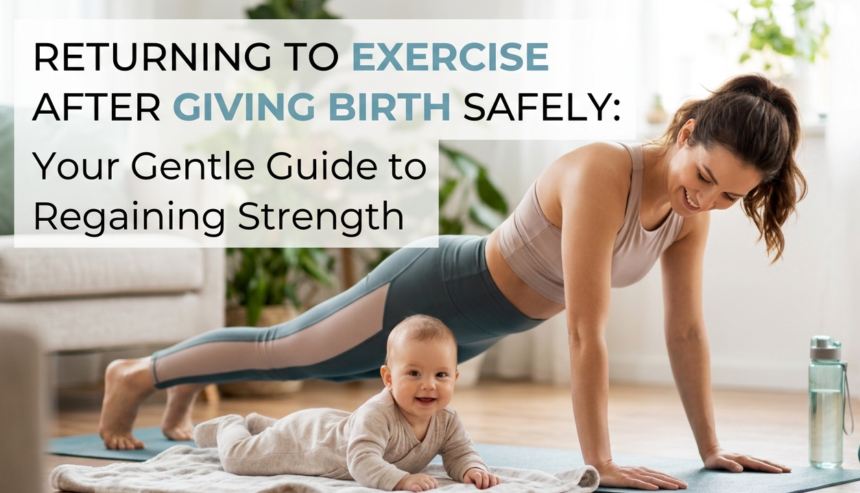
Furthermore, incorporating your newborn into your routine can also enhance the experience of getting back in shape. Activities like stroller walking or postnatal yoga classes that allow for baby participation can create bonding moments while helping you stay active. By seamlessly weaving exercise into the fabric of daily life, you can foster a positive relationship with fitness that adapts as your child’s needs change.
Ultimately, establishing a realistic exercise routine requires flexibility and patience. Understand that the transition back to fitness may take time, and adjusting your expectations accordingly can help make this journey enjoyable and sustainable.
Importance of Nutrition and Hydration
Returning to exercise after giving birth necessitates careful attention to nutrition and hydration. Postpartum recovery demands a balanced diet that supplies essential nutrients and energy required for daily activities and exercise regimens. A well-structured nutritional plan is crucial in supporting the body’s recovery and maintaining optimal energy levels, especially for new mothers.
Incorporating a variety of foods into the diet can enhance overall health during this period. High-quality sources of protein, such as lean meats, dairy products, legumes, and nuts, should be emphasized. These protein-rich foods aid muscle recovery and help in repairing tissues that experienced strain during pregnancy and childbirth. Additionally, consuming a range of fruits and vegetables supplies vital vitamins and antioxidants, which can mitigate inflammation and bolster immunity, two critical aspects during postpartum recuperation.
Hydration remains equally important, particularly for breastfeeding mothers, who may require additional fluids to support milk production. Water is the most effective choice for staying hydrated, but it can also be beneficial to include natural fluids such as herbal teas or diluted fruit juices. Monitoring hydration levels by observing thirst cues and ensuring urine is pale in color can guide mothers in maintaining adequate fluid intake.
Furthermore, adapting dietary choices to include complex carbohydrates—found in whole grains and starchy vegetables—can boost energy reserves. These foods provide the sustained energy necessary for both exercise and the demands of caring for a newborn. Consulting with a healthcare provider or a registered dietitian specialized in postpartum nutrition can assist in creating a personalized plan that meets individual needs, ensuring a balanced diet that accommodates both recovery and exercise goals.
Mental Health and Exercise
Exercise plays a crucial role in promoting mental health, particularly for new mothers adjusting to the profound changes brought on by childbirth. Participating in physical activity can lead to significant improvements in mood and emotional well-being. Regular engagement in exercise stimulates the release of endorphins, known as the body’s natural mood lifters, which can help alleviate feelings of anxiety and depression frequently experienced during the postpartum period.
Incorporating exercise into daily routines can help in managing postpartum anxiety and depression, conditions that affect many new mothers. Physical activity, whether through a brisk walk, yoga, or structured workout sessions, has been shown to reduce symptoms of anxiety and improve overall mental health. Exercise provides a productive outlet to release built-up stress and connect with oneself, which is essential for mothers adjusting to their new roles.
Moreover, exercising provides a sense of accomplishment, thereby boosting self-esteem and confidence. This is particularly vital for women who may feel overwhelmed by the responsibilities of motherhood. Social engagement is another valuable aspect of exercise, as joining community workout classes or groups can foster connections with other mothers and create a supportive network. These social interactions serve as an additional buffer against feelings of isolation often felt during this transitional period.
It is important to start slowly and listen to one’s body, gradually increasing the duration and intensity of workouts. This careful approach not only helps prevent injury but also reduces the likelihood of feeling overwhelmed. New mothers should consider activities that bring joy and relaxation rather than solely focusing on structured workouts. By integrating physical activity into their lives, new mothers can significantly enhance their mental well-being, paving the way for a healthier postpartum experience.
Creating a Support System
Building a robust support system is essential for new mothers as they seek to return to exercise after giving birth. The journey towards regaining physical fitness can be challenging, and having a network of encouragement and resources makes a substantial difference. Surrounding oneself with friends and family members who understand the unique challenges of motherhood can provide both emotional and logistical support.
One effective way to establish a support network is to connect with other mothers in the community. Consider joining local parenting groups or attending meetups that focus on shared experiences related to motherhood. These groups often foster bonds that can extend beyond casual conversation to form lasting friendships, which may include workout partners. Engaging in group activities not only provides motivation but can also make exercising more enjoyable.
Additionally, enlisting the help of family members can significantly ease the transition back into fitness routines. Having someone to watch the baby while the mother works out can alleviate stress and ensure that she has valuable time to focus on her health. Partners, grandparents, or close friends can contribute by providing both emotional support and practical assistance, allowing mothers to carve out dedicated time for exercise.
Moreover, exploring fitness groups specifically designed for postpartum women offers an inclusive environment where mothers can exercise together, share experiences, and motivate one another. These groups often have instructors who understand the postpartum body, making them a safe option for those who are returning to exercise. By actively participating in such communities, mothers can reconnect with their fitness goals while enjoying the camaraderie of others in similar situations.
Listening to Your Body and Adjusting Goals
Returning to exercise after giving birth is a profoundly personal journey, and listening to one’s body is paramount during this transition. Each mother’s experience differs due to various factors, including individual physical condition, birth method, and emotional well-being. Thus, it is essential to approach postnatal fitness with a mindset that prioritizes self-awareness and responsiveness.
As you resume physical activity, paying attention to signals from your body can guide you in determining appropriate exercise intensity and frequency. For example, if you experience fatigue, discomfort, or any unexpected pain, consider scaling back your routines or opting for gentler activities, such as walking or postpartum yoga. Understanding where your body is currently at will aid in tailoring your fitness goals effectively.
Flexibility in your exercise objectives is also crucial. What might seem like a setback can actually be an opportunity to celebrate small victories, which are significant milestones on your path to recovery. For instance, aiming to complete a walk around the block can turn into an achievement that deserves recognition. Setting small, manageable goals not only offers motivation but also enhances your overall experience as new challenges are met.
It is important to remember that this journey may not always be linear. Fluctuations in energy levels and mood are common but can detract from motivation if not acknowledged. Staying patient with oneself fosters a positive mindset, making the process more enjoyable. Every mother’s route back to pre-pregnancy fitness or finding a new level of fitness is unique. Therefore, focusing on the present moment rather than comparing oneself to others will create a more fulfilling and safe exercise experience.