
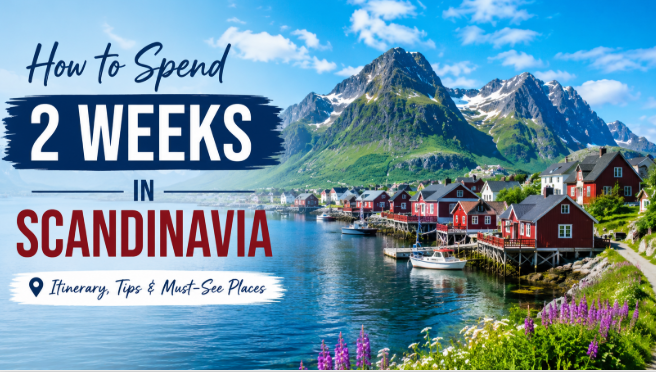
Introduction to Scandinavia
Scandinavia, a region in Northern Europe, is renowned for its stunning landscapes, rich history, and vibrant cities. Geographically, it comprises three primary countries: Denmark, Norway, and Sweden, each characterized by unique topographical features and cultural identities. Finland and Iceland are often included in discussions about the area, enriching the cultural tapestry of this captivating part of Europe.
The natural beauty of Scandinavia is unprecedented, with sweeping fjords in Norway, vast forests and lakes in Sweden, and the picturesque coastlines of Denmark. Travelers are often enchanted by the opportunities for outdoor activities, such as hiking, skiing, and exploring the Northern Lights in winter months. In addition to its breathtaking scenery, the region boasts a collection of historical landmarks and UNESCO World Heritage Sites, offering insights into its storied past.
Culturally, Scandinavia stands out for its commitment to sustainability, social equality, and progressive values, often serving as a model for other nations. The cities of Copenhagen, Oslo, and Stockholm showcase innovative architecture and rich cultural scenes, featuring museums, art galleries, and theaters that reflect the life and heritage of their inhabitants. With a culinary scene that embraces traditional dishes as well as modern gastronomy, cuisine plays a pivotal role in the Scandinavian experience.
In short, Scandinavia is a remarkable travel destination that combines natural beauty, rich cultural significance, and modern achievements. Whether you are exploring the historic streets of a vibrant city or reveling in the tranquility of the unspoiled countryside, this region offers something for every traveler. Its blend of tradition and contemporary life makes it a captivating place to visit, ensuring an unforgettable two-week journey.
Planning Your Trip: Key Considerations
When embarking on a two-week adventure in Scandinavia, meticulous planning can significantly enhance your experience. The first step is understanding the passport and visa requirements. Travelers from many countries can visit Scandinavia without a visa for short stays; however, it is imperative to check the specifics based on your nationality. Ensure that your passport is valid for at least six months beyond your intended departure date.
Next, consider the best time to visit. Scandinavia showcases its unique charm in different seasons. Summer (June to August) is popular for its long days and mild temperatures, making it ideal for outdoor activities. Conversely, winter (December to February) invites tourists seeking to experience the Northern Lights and thrilling winter sports. Weighing the weather against your interests is crucial in determining your travel dates.
Budgeting is a critical aspect of planning your trip. Scandinavia is known for its high cost of living, so it is wise to outline your daily expenses. Accommodation, meals, and excursions can accumulate quickly, so consider budget-friendly options such as hostels or self-catering units. Utilizing public transportation can also help save costs, while pre-purchasing tickets for popular attractions may offer additional discounts.
Transportation choices play an essential role in your Scandinavian exploration. With several options available, including trains, flights, and rental cars, understanding the advantages of each mode is vital. Trains operate efficiently between major cities and provide scenic landscapes, while internal flights can save time for longer distances. Alternatively, a rental car allows flexibility to explore off-the-beaten-path locations. Evaluate your itinerary and decide which combination suits your travel style best.
Itinerary Overview: 14 Days in Scandinavia
Embarking on a two-week journey through Scandinavia offers an unparalleled blend of cultural richness and stunning natural landscapes. This itinerary encompasses several must-visit cities and idyllic regions, providing a well-rounded experience of this captivating region.
On Day 1, begin your adventure in Stockholm, Sweden’s capital. Explore the historic Gamla Stan (Old Town), visit the impressive Royal Palace, and enjoy the picturesque canals. Spend Day 2 venturing to attractions like Vasa Museum and Skansen to delve into Swedish history and culture.
Day 3 involves travel to Copenhagen, Denmark’s vibrant capital. Take in the sights at the charming Nyhavn, and visit the iconic Little Mermaid statue. On Day 4, immerse yourself in the fascinating exhibits at the National Museum and the historical allure of Tivoli Gardens.
On Day 5, you’ll journey to Oslo, Norway’s capital, where the impressive Vigeland Sculpture Park serves as a highlight. Day 6 is best spent discovering attractions like the Oslo Opera House and learning about Viking history at the Viking Ship Museum.
Days 7 through 9 focus on the breathtaking fjords of Norway. A scenic trip to Geirangerfjord and Norwegian Fjord will provide even more natural beauty, with opportunities for hiking and fjord tours. Days 10 and 11 return to the urban scene, granting you another chance to explore Oslo before heading back to Stockholm.
Finish your Scandinavian adventure on Days 12 to 14, where you can revisit favorite spots in Stockholm or take a day trip to nearby destinations like Uppsala or Drottningholm Palace. This itinerary promises a harmonious mix of urban activities and serene nature, capturing the essence of Scandinavia.
Exploring Stockholm – The Capital Experience
Stockholm, the vibrant capital of Sweden, embodies a unique blend of historical depth and modern charm. As one of the most beautiful cities in the world, it is built on 14 islands connected by over 50 bridges, offering a plethora of attractions and activities for visitors. One of the must-visit locations is the Vasa Museum, which houses the 17th-century warship Vasa, a remarkable artifact that sank on its maiden voyage. This museum presents an incredible insight into Sweden’s naval history and is a highlight for anyone exploring Stockholm.
Another essential stop is Gamla Stan, Stockholm’s Old Town, characterized by narrow cobblestone streets and colorful buildings that house shops, cafes, and historical sites. Here, visitors can delve into the city’s rich history, browsing through boutiques or savoring traditional Swedish cuisine at local restaurants. Sample iconic dishes like meatballs or gravlax while enjoying the picturesque surroundings.
For those looking to immerse themselves in the local culture, the trendy neighborhoods of Södermalm and Östermalm are worth exploring. Södermalm is famous for its artistic vibe, featuring vintage shops and quirky cafes, making it perfect for a leisurely afternoon stroll. In contrast, Östermalm offers a more upscale experience with high-end shopping and gourmet food options, including the Östermalms Saluhall food market.
Outdoors enthusiasts will also find plenty to appreciate in and around Stockholm. The city’s numerous parks, such as Djurgården, provide beautiful walking trails, picnicking spots, and opportunities for cycling. Furthermore, taking a boat tour around the archipelago reveals stunning views and a chance to connect with nature. All these diverse experiences indeed make Stockholm a captivating city that promises something for every traveler.
Copenhagen – The City of Design and Culture
Copenhagen, the capital city of Denmark, is often hailed as the epitome of design and culture. Renowned for its stunning architecture, the city seamlessly blends historic structures with modern design, creating a vibrant atmosphere that captivates visitors. A cornerstone of Danish heritage, Copenhagen boasts a diverse range of attractions that reflect its cultural richness.
One of the must-visit spots in Copenhagen is Tivoli Gardens. Established in 1843, this enchanting amusement park is not only a place for thrill-seekers but also a beautiful garden that showcases breathtaking floral displays and artful architecture. It is a fantastic example of Copenhagen’s knack for creating spaces that blend relaxation and entertainment, attracting both locals and tourists throughout the year.
Another iconic landmark is the revered Little Mermaid statue, inspired by Hans Christian Andersen’s fairytale. This sculpture, perched on a rock by the waterside, symbolizes the city’s connection to literature and the arts. Visitors often gather around to admire the statue and take photographs, ensuring that it becomes a part of their memorable experiences in the city.
Copenhagen is also recognized for its thriving culinary scene, featuring innovative gastronomy that has put the city on the global culinary map. Food enthusiasts are encouraged to partake in culinary tours, where they can explore local specialties and perhaps indulge in the renowned New Nordic cuisine. This gastronomic movement emphasizes fresh, local ingredients and sustainable practices, making Copenhagen a haven for foodies.
As you navigate through this culturally rich city, you will find a juxtaposition of traditional and contemporary influences that define its character, making Copenhagen a destination worth exploring during your Scandinavian journey.
Oslo – Norway’s Modern Capital
Oslo, the capital of Norway, is a vibrant city that harmoniously blends modern architecture with historic landmarks, making it an attractive destination for diverse travelers. The city embodies the essence of Scandinavian culture, showcasing innovation while preserving its rich history. One of the must-visit attractions in Oslo is the Viking Ship Museum, which houses remarkably well-preserved Viking ships and artifacts. This museum provides a fascinating glimpse into the maritime culture of the Vikings, offering an educational yet engaging experience.
Another architectural marvel in Oslo is the Oslo Opera House, designed to resemble a glacier rising from the fjord. Its striking contemporary design encourages visitors to walk up its sloped roof and enjoy panoramic views of the city and the surrounding fjords. This cultural venue not only hosts world-class opera and ballet performances but also stands as a symbol of Oslo’s artistic vibrancy.
For those seeking outdoor activities, Oslo is surrounded by extensive green spaces and beautiful fjords. The nearby Oslomarka forest offers numerous trails for hiking and biking, providing an excellent opportunity to explore Norway’s natural beauty without venturing far from the urban environment. The Oslofjord, characterized by its many islands, is also perfect for kayaking or sailing, allowing visitors to connect with nature while enjoying the city’s stunning landscapes.
In conclusion, Oslo captures the spirit of Norway through its striking modern architecture and rich historical sites. From the Viking Ship Museum to the Oslo Opera House and the breathtaking fjords, visitors to Oslo will find a city that is uniquely positioned at the crossroads of history and contemporary culture.
Nature Escapades: Fjords and National Parks
Scandinavia is renowned for its breathtaking natural landscapes, characterized by stunning fjords and expansive national parks. One cannot discuss outdoor adventures in this region without mentioning the majestic Norwegian fjords, such as the famous Geirangerfjord and Nærøyfjord. These UNESCO World Heritage sites offer a spectacular array of steep cliffs, cascading waterfalls, and serene waters, making them a must-visit destination for nature enthusiasts. Exploring these fjords can be done through various activities, including kayaking, boat tours, or scenic drives along the waterfront.
Furthermore, the grandeur of Norway’s national parks, particularly Jotunheimen National Park, is a testament to the region’s untamed wilderness. Hiking in Jotunheimen is an experience that caters to various skill levels, with well-marked trails leading adventurers to awe-inspiring peaks, glacial lakes, and valleys filled with wildflowers. Engaging in multi-day treks such as the Besseggen Ridge hike not only provides an adrenaline rush but also offers travelers stunning panoramic views of Norway’s unique landscapes.
In order to facilitate these nature escapades, guided tours can be an invaluable resource. Many tour operators offer specialized packages that combine transportation, local guides, and equipment rental, ensuring a seamless outdoor experience. These guides are often well-versed in the area’s geology, flora, and fauna, enhancing the overall adventure with their insightful narratives. Furthermore, these tours cater to all levels, allowing both novice and experienced hikers to immerse themselves fully in the beauty of Scandinavia.
Ultimately, immersing oneself in Scandinavia’s biodiversity and geographical splendor through activities like fjord excursions and hikes in national parks not only enriches the travel experience but also fosters a deep appreciation for nature’s wonders.
Cultural Experiences: Festivals and Local Life
Scandinavia is known for its rich cultural heritage, and travelers can immerse themselves in an array of festivals and local traditions that reflect the unique character of the region. From the vibrant midsummer celebrations in Sweden to the enchanting winter festivals in Norway, these events provide a fascinating peek into local customs and communal life.
One of the most compelling ways to connect with Scandinavian culture is through participation in local festivals. Events such as the Göteborg Film Festival in Sweden highlight contemporary cinema while promoting local artisans and filmmakers. Meanwhile, Denmark’s Roskilde Festival celebrates music and art, drawing international crowds and showcasing the talents of both emerging and established artists. These events serve not only as entertainment but also as platforms for cultural exchange and community engagement.
In addition to festivals, exploring food markets such as Torvehallerne in Copenhagen or the Saluhall in Stockholm allows travelers to engage with local culinary traditions. These vibrant markets are often the heart of the community, offering fresh produce, artisanal products, and a taste of regional dishes. Here, visitors can sample local specialties, meet the artisans behind the products, and gain insight into the gastronomic traditions that shape everyday life in Scandinavia.
Art exhibitions and cultural institutions also serve as key avenues for understanding local life. Museums such as the National Gallery in Oslo or the Danish Design Museum provide insights into the historical and contemporary facets of Scandinavian culture. Engaging with local artists and their works can be a powerful way to appreciate the cultural landscape of the region.
Engaging with these diverse cultural experiences not only enhances your travel itinerary but also fosters a deeper connection to the people and traditions of Scandinavia, making your 2-week journey truly memorable.
Conclusion: Making the Most of Your Scandinavian Adventure
Embarking on a two-week journey through Scandinavia offers a wealth of opportunities to explore the spectacular landscapes, rich history, and vibrant cultures of this northern region. With its stunning fjords, charming cities, and unique traditions, Scandinavia caters to a variety of interests and travel styles. From the breathtaking views in Norway to the historic sites in Sweden and vibrant life in Denmark, each country presents a distinctive experience.
When planning your itinerary, it’s essential to strike a balance between urban exploration and immersing yourself in nature. Each Scandinavian country provides outdoor activities such as hiking, skiing, or visiting national parks that showcase the region’s natural beauty. Additionally, engaging with local customs, trying authentic Nordic cuisine, and participating in traditional festivals can enrich your understanding of the diverse cultures present in Scandinavia.
Transportation options, including trains, ferries, and domestic flights, make it relatively easy to navigate between cities and rural areas. This connectivity ensures that you maximize your time and fully appreciate the varied environments and amenities each location has to offer. Choosing accommodations that reflect local character, whether in rural lodges or city hotels, can further enhance your journey.
Ultimately, the key to a memorable Scandinavian adventure lies in embracing the region’s charm and variety. Consider your personal interests and priorities as you craft your itinerary, allowing for spontaneity and exploration. Whether it’s uncovering hidden gems or enjoying the renowned sights, your two weeks in Scandinavia can be a rewarding experience filled with lasting memories.