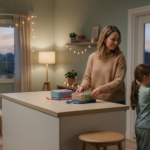

Introduction to Toddler Physical Development
Toddler physical development is a critical phase in a child’s growth, typically spanning the ages of one to three years. During this time, children undergo significant growth and experience remarkable advancements in motor skills. Physical activity is essential in promoting a toddler’s physical, cognitive, and emotional development. Engaging in regular play and movement supports not only their growing bodies but also reinforces the foundational skills required for future health and fitness.
At this stage, toddlers should achieve numerous developmental milestones, including walking, running, climbing, and jumping. These milestones are indicators of a child’s motor skill development and are essential for their overall health. The progression from simple movements to more complex physical activities is vital for establishing coordination and balance, which will serve them well as they continue to grow. Through active play, toddlers learn to navigate their environment, which fosters independence and self-confidence.
Furthermore, physical activity during the early years occurs naturally as toddlers explore their surroundings, interact with their peers, and engage in imaginative play. This playful exploration encourages flexibility, strength, and endurance—all vital components of physical well-being. Encouraging a variety of activities, from simple running games to more structured play, allows toddlers to develop their skills at their own pace while spurring interest in staying active.
In summary, toddler physical development is a vital process that lays the groundwork for a child’s health and agility throughout their life. By understanding the importance of physical activity in this developmental stage, caregivers can foster an environment that promotes exploration and movement, setting the stage for a healthier lifestyle and enhanced motor skills in the years to come.
The Importance of Routine in Toddler Development
Establishing a daily routine is crucial to supporting toddler physical development. Children thrive in environments that are structured and predictable, as these conditions foster a sense of security. When toddlers know what to expect throughout their day, they can focus better on exploring and learning new skills, which significantly contributes to their physical growth.
Consistency is key in routines, as it helps toddlers develop self-regulation and understand the world around them. Regular schedules for meals, playtime, and bedtime not only create a comforting environment but also promote stability in their emotional health. For instance, when toddlers have regular meal times, they learn to anticipate their nutritional needs, leading to better eating habits that can positively affect their physical development.
Furthermore, predictable routines cultivate a sense of independence in toddlers. As children age, they can begin taking more initiative during various activities, from getting dressed to picking up toys. This independence is essential for developing fine and gross motor skills, which are imperative components of physical development. Parents can encourage these skills by allowing their toddlers to follow routines at their own pace, fostering confidence in their abilities.
To create a successful routine, parents should consider their child’s unique needs, preferences, and developmental milestones. Incorporating activities that promote physical health, such as outdoor play or simple exercises, into daily life can have lasting benefits. For example, setting specific times for free play allows toddlers to engage in physical activities, which is vital for their overall growth and development.
In summary, establishing a daily routine not only comforts toddlers but also significantly impacts their physical development. By fostering an environment of consistency and predictability, parents lay the groundwork for their children to thrive.
Incorporating Active Play into Daily Routines
Active play is crucial for the physical development of toddlers, as it promotes various motor skills including running, jumping, climbing, and balancing. Incorporating these activities into daily routines not only enhances physical capabilities but also provides essential opportunities for social and cognitive growth. Parents can structure playtime to ensure that their toddlers engage in active play regularly.
One effective method is to set aside specific times throughout the day dedicated to active play. For instance, mornings can start with a short outdoor activity such as a fun run or a game of tag in the yard or park. This setup encourages running and allows children to release energy, which is particularly beneficial as they begin their day. Moreover, organizing these activities as group play with peers can enhance social interaction, making playtime more enjoyable and inspiring teamwork.
In addition to outdoor activities, parents can incorporate simple exercises at home. Creating obstacle courses using pillows, cushions, and furniture encourages children to climb, jump, and balance. Involving toddlers in such playful setups enhances their problem-solving skills while working on their physical agility. Regularly changing the course layout can keep the activity fresh and exciting.
Another valuable approach is to infuse play with daily chores. For example, parents can invite toddlers to ‘help’ with gardening tasks or setting up for family activities, transforming these into playful yet beneficial engagements. Encouraging running to fetch items or hopping to skip quickly can seamlessly transition everyday tasks into opportunities for active play.
In conclusion, active play can be effectively incorporated into toddler routines through structured yet enjoyable activities both indoors and outdoors. By valuing physical engagement, parents can foster significant skill development while creating delightful moments of interaction with their children.
Nutrition’s Role in Physical Development
Nutrition plays a crucial role in supporting the physical development of toddlers. During early childhood, a child’s body undergoes significant changes, necessitating a robust intake of essential nutrients to promote healthy growth and development. Key nutrients such as proteins, vitamins, minerals, and healthy fats should be prioritized in a toddler’s diet to ensure they receive the required sustenance for their active lifestyle.
Proteins are vital for building and repairing tissues, making them essential for growing toddlers. Foods rich in protein, such as lean meats, fish, eggs, beans, and dairy products, should be included in daily meals. Additionally, vitamins and minerals, particularly calcium, vitamin D, and iron, are crucial for bone health and development. Dairy products, leafy greens, and fortified cereals provide a good source of these nutrients.
Healthy fats, including those found in avocados, nuts, and olive oil, are necessary for brain development and overall health. Incorporating a variety of colorful fruits and vegetables ensures that toddlers get a wide range of antioxidants, which support their immune system and assist in preventing chronic diseases as they grow. Healthy meals and snacks are easily achievable by combining these foods; for instance, making smoothies with fruits and yogurt or offering peanut butter on whole-grain toast with banana slices can create balanced, nutritionally-rich options.
A balanced diet not only impacts a toddler’s physical growth but also contributes to their energy levels and overall health. When toddlers receive the right nutrients, they are more likely to have the energy needed to engage in physical activities, which is vital for their motor skills development. Moreover, good nutrition fosters better mood and cognitive function, leading to improved learning and social interactions.
Outdoor Activities and Their Benefits
Outdoor play is an essential component of a toddler’s physical development. Engaging in activities outside not only offers fresh air but also presents an array of natural stimuli that are crucial for learning and growth. The open space encourages toddlers to experiment with their physical abilities, promoting movement and coordination, which are vital for their overall development.
One of the key benefits of outdoor activities is the myriad of opportunities for gross motor skill development. Activities such as running, jumping, climbing, and playing with balls help enhance toddlers’ coordination, balance, and strength. These physical skills are crucial as they lay the foundation for more complex movements as children grow. For instance, climbing on playground equipment can improve muscle strength and body awareness, allowing toddlers to develop confidence in their physical capabilities.
Moreover, outdoor environments stimulate cognitive development through exploration and sensory experiences. Natural settings provide exposure to various textures, sounds, and colors, fostering curiosity and imaginative play. This type of exploration can come from simple activities like nature walks, where toddlers can observe plants and animals, or scavenger hunts, where they search for specific items in their surroundings. Such interactions not only enhance physical development but also contribute to emotional growth, as they help children feel a deeper connection with nature.
Parents can facilitate outdoor play by creating a safe and engaging environment. Activities like riding tricycles, playing tag, or even gardening can motivate toddlers to be active while providing them with the opportunity to enhance their motor skills. Incorporating structured games can also foster teamwork and develop social skills. Ultimately, outdoor play is a multifaceted approach that nurtures physical, cognitive, and social development, setting a solid foundation for lifelong healthy habits.
Incorporating Music and Movement
The incorporation of music and movement plays a significant role in enhancing toddler physical development. Engaging toddlers with songs and rhythms is not only enjoyable but also serves as a dynamic tool for encouraging movement. When toddlers listen to music, it stimulates their motor skills, prompting them to dance, jump, and clap in time with the beat. These rhythmic movements develop coordination and balance, fundamental aspects of physical growth.
Music naturally elicits a desire to move. Through songs that include specific dance actions or movements, toddlers learn to associate sounds with physical actions. For example, simple songs with instructions, like “If You’re Happy and You Know It,” invite children to clap their hands, stomp their feet, and perform other movements. Such activities enhance their gross motor skills and can even introduce concepts of rhythm and timing, which are crucial in early childhood development.
In addition to songs, incorporating musical instruments, such as tambourines, maracas, or drums, can encourage toddlers to explore movement while developing hand-eye coordination and fine motor skills. When a toddler plays an instrument, they are required to use their hands in novel ways, coordinating their body movements to create sound. This exploration not only cultivates a love for music but also offers an avenue for physical expression, allowing children to channel energy positively.
Furthermore, the interaction of music and dance creates a lively atmosphere that fosters cognitive learning. As toddlers mimic movements seen in dance or follow along with lyrics, they improve their memory and language skills. These joyful experiences result in an environment where physical development is seamlessly integrated with cognitive enhancement, reinforcing the connection between music, movement, and holistic growth in toddlers.
Technology and Screen Time Considerations
In today’s digital age, managing screen time for toddlers poses unique challenges and opportunities. While technology can offer educational content and promote cognitive skills, it is crucial to consider its impact on physical development. Excessive screen time can inhibit a toddler’s ability to engage in active play, which is essential for building motor skills and promoting overall health.
Current guidelines suggest limiting screen time for toddlers aged 2 to 5 years to no more than one hour of high-quality programming each day. This time should ideally be co-viewed with a parent or caregiver to enhance understanding and foster discussions about what they are watching. Such interactions not only reinforce learning but also encourage emotional bonds that significantly benefit a child’s development.
To promote a balanced approach, parents should prioritize active play alongside screen engagement. Activities such as outdoor play, dancing, or playing with physical toys allow toddlers to develop strength, coordination, and social skills. Integrating movement into daily routines can transcend beyond mere physical activity; it enriches the child’s experience, allowing them to understand their environment better through exploration.
Moreover, parents can designate specific times for screen use to instill a sense of routine. For example, after an hour of active play, screen time can be used as a reward or calming down activity. Importantly, it is advised to turn off screens during meals and before bedtime, as these practices can significantly improve sleep quality and family interactions.
In conclusion, while technology can play a beneficial role in a toddler’s development, it is vital to maintain a balanced approach. Prioritizing active play over sedentary screen time can lead to healthier, well-rounded toddlers. By implementing structured guidelines, parents can help ensure that technology enhances rather than hinders physical development.
Creating a Safe Environment for Movement
Creating an environment conducive to toddler physical development is crucial for fostering movement and exploration. By ensuring a safe and stimulating play area, caregivers can support healthy development while allowing children the freedom to explore their physical abilities. One effective approach is to designate specific areas within the home or yard that encourage active play.
Start by removing any potential hazards such as sharp objects, small items that could pose a choking risk, or furniture with sharp edges. Soft flooring options like carpets, play mats, or foam tiles can add a layer of safety while also encouraging movement. In addition, using safety gates can help create boundaries, allowing your toddler to play freely within a defined space without the risk of wandering into unsafe areas.
Incorporate various age-appropriate toys that encourage physical activity. Climbing structures, balance beams, or soft balls can stimulate both gross and fine motor skills. Make sure that these items are regularly inspected for wear and tear, as safety should always be a priority. Furthermore, open spaces for running, jumping, and dancing can greatly benefit a toddler’s physical capabilities while offering opportunities for imaginative play.
Lastly, consider outdoor environments. Playgrounds, parks, and backyards can provide excellent opportunities for toddlers to engage in physical development. When visiting these locations, ensure that they are well-maintained and age-appropriate. Interactive and stimulating environments help children build confidence in their physical abilities while also improving their strength and coordination.
Establishing a supportive and secure environment for toddlers to explore their physical potential can lead to enhanced physical development. This foundation will not only enable safe movement but also inspire a love for active play that may last a lifetime.
Conclusion: Embracing a Holistic Approach to Physical Development
In summary, fostering healthy routines to enhance toddler physical development is a multifaceted endeavor that encompasses various natural methods and activities. Throughout this blog post, we have explored the importance of incorporating play, nutrition, and outdoor exploration into daily practices. These elements are essential not merely for physical growth but also for cognitive and emotional well-being.
The benefits of physical activities, such as running, jumping, and climbing are manifold. These activities not only promote strength and coordination but also enhance social skills as toddlers learn to interact with their peers. Additionally, the critical role of nutrition in supporting a toddler’s physical development cannot be overstated. A balanced diet enriched with fruits, vegetables, whole grains, and proteins lays the foundation for their growing bodies, ensuring they receive the necessary vitamins and minerals needed for optimal health.
Moreover, establishing routines that prioritize sleep, active play, and healthy eating encourages toddlers to develop lifelong habits that can significantly influence their overall well-being. By integrating these habits into their daily lives, parents can support their children’s physical development in a nurturing and holistic manner. Outdoor activities, in particular, stimulate physical growth while providing opportunities for sensory exploration and creativity, allowing toddlers to thrive in an environment that promotes discovery and learning.
Ultimately, embracing such a comprehensive approach to physical development is essential for every parent. By integrating play, nourishment, and activity into the lifestyle of their toddlers, they can ensure a strong foundation for their growth and development into healthy, active individuals. The journey of nurturing a child’s physical capabilities is undeniably rewarding, and fostering these habits can lead to a brighter, healthier future for generations to come.