
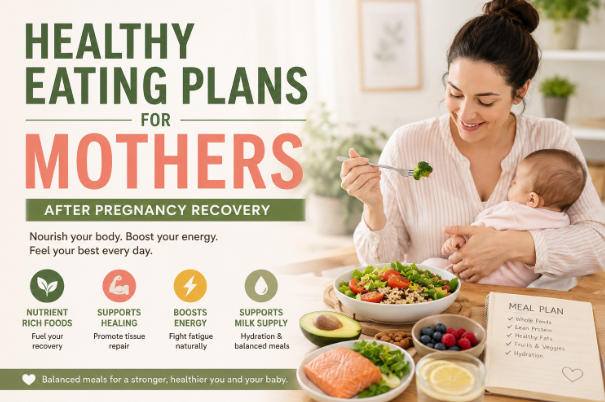
Introduction to Post-Pregnancy Nutrition
Following childbirth, a mother undergoes significant physical and emotional transformations, necessitating a focused approach to nutrition during the post-pregnancy phase. Proper nutrition is vital not only for promoting recovery but also for enhancing energy levels and overall well-being. Post-pregnancy nutrition plays a critical role in a mother’s ability to nurture her child, maintain her health, and navigate the challenges of motherhood.
During this period, women may experience fatigue, hormonal fluctuations, and varying emotional states. A well-balanced diet can substantially mitigate these effects, supporting both physical recovery and mental health. Nutritional needs can change significantly after birth; therefore, having a comprehensive understanding of what constitutes a healthy eating plan becomes essential.
Incorporating nutrient-dense foods can help new mothers replenish their bodies and support lactation if they choose to breastfeed. Essential nutrients, such as calcium, iron, and omega-3 fatty acids, should be emphasized, as they play a crucial role in both the recovery process and in fostering the development of the newborn. Moreover, adequate hydration is crucial, which frequently is overlooked amidst the hectic schedule of caring for a newborn.
Moreover, emotional well-being is deeply intertwined with physical health, and poor dietary choices can lead to mood swings or feelings of lethargy. Adopting a healthful eating plan can improve mental clarity, mood stability, and emotional resilience, all of which are vital for adjusting to motherhood. Hence, understanding the importance of nutrition in this transitional period is paramount, as it paves the way for a healthier post-pregnancy experience.
Understanding Nutritional Needs Post-Pregnancy
After childbirth, a mother’s body goes through a considerable process of recovery that necessitates careful attention to nutritional needs. It is essential for mothers to prioritize a diet rich in macronutrients and micronutrients to support healing, replenish energy, and maintain overall health. Macros, particularly protein, carbohydrates, and fats, play a critical role in this phase.
Protein is vital for repairing tissues and muscle rebuilding, especially after the physical exertion of labor and delivery. A daily intake of high-quality protein sources such as lean meats, fish, eggs, dairy products, legumes, and nuts is recommended to meet these increased needs. Pregnant and postpartum mothers should aim for an intake of approximately 75-100 grams of protein per day, which supports both recovery and lactation, if applicable.
Carbohydrates are another crucial component of a healthy post-pregnancy diet. They serve as the primary source of energy necessary to cope with new motherhood’s demands. Whole grains, fruits, and vegetables provide not only energy but also dietary fiber, which aids digestion and helps prevent constipation, a common challenge after childbirth. Healthy fats, sourced from avocados, nuts, seeds, and olive oil, also contribute to overall energy levels and support hormone balance.
Micronutrients, including vitamins and minerals, further enhance recovery. Key vitamins such as Vitamin D, B vitamins, and folate are essential for energy metabolism and immune support. Minerals like calcium and iron are crucial for bone health and replenishing red blood cells, especially if blood loss occurred during delivery. Emphasizing a variety of nutrient-dense foods will help mothers meet their needs while fostering optimal healing.
Incorporating a thoughtful assortment of these nutrients is vital for mothers in the postpartum stage, ensuring they are equipped to handle the physical and emotional challenges of new parenthood.
The Role of Hydration in Recovery
Hydration plays a crucial role in the recovery process for new mothers post-pregnancy. Adequate fluid intake is essential for several bodily functions, including digestion, nutrient absorption, and maintaining overall health. After childbirth, a woman’s body undergoes significant changes that can elevate her fluid needs, particularly if she is breastfeeding. Consuming the right amount of fluids can expedite recovery, improve energy levels, and support milk production.
During the postpartum period, a mother’s body experiences increased water loss due to factors such as blood loss during delivery, hormonal changes, and, if applicable, breastfeeding. Breastfeeding mothers need to maintain proper hydration levels to produce enough milk, hence, fluid intake becomes even more critical. It is often recommended that mothers consume at least 8 to 10 cups of fluids daily, but this may vary depending on individual needs and activity levels.
Staying hydrated is not only vital for physical well-being but also promotes mental clarity and mood stability. Dehydration has been linked to fatigue, irritability, and even postpartum depression. Therefore, it is recommended that new mothers keep a water bottle nearby and sip fluids throughout the day. Incorporating hydrating foods such as fruits and vegetables, like cucumbers, oranges, and watermelon, can be an excellent way to boost fluid intake.
In conclusion, hydration is an integral aspect of recovery for new mothers. By ensuring sufficient fluid intake, mothers can enhance their recovery, maintain energy levels, and support breastfeeding efforts effectively. Simple strategies such as setting reminders to drink water and incorporating hydrating foods can make the process easier while improving overall health during this crucial time.
Creating a Balanced Meal Plan
Developing a balanced meal plan is critical for mothers recovering after pregnancy. A well-structured meal plan can ensure nutritional adequacy, promote healing, and provide sustained energy for the demands of motherhood. The first step in creating this plan is to incorporate a variety of food groups, including fruits, vegetables, whole grains, lean proteins, and healthy fats, to support overall health and recovery.
Portion sizes play a vital role in achieving a balanced diet. It is essential to understand the concept of portion control, which ensures that mothers receive adequate nutrients without overconsumption. Utilizing plates of different sizes can help manage portion control—smaller plates can lead to smaller servings, which can help in regulating calorie intake. Additionally, it is useful to follow guidelines from reputable dietary sources, such as MyPlate, which emphasizes filling half of one’s plate with fruits and vegetables.
Meal timing is another critical factor in maintaining energy levels and promoting recovery. Planning three balanced meals with healthy snacks in between can stabilize blood sugar levels throughout the day. This approach can prevent hunger pangs and reduce the likelihood of unhealthy snacking, which often occurs when fatigue sets in. Moreover, mothers should aim to have meals at consistent times, establishing a routine that aligns with their and their baby’s schedule.
Organizing meals can simplify the adherence to a balanced meal plan. Preparing meals in advance, utilizing batch cooking, or even adopting the concept of a weekly meal prep day can be very beneficial. On this day, mothers can cook several meals in one go, portion them into containers, and have ready-to-eat meals for the week. This strategy not only saves time but also encourages healthier choices, as prepared meals tend to be more nutritious compared to impulsive meal decisions.
Healthy Snack Ideas for New Moms
After childbirth, new mothers often find themselves navigating a whirlwind of responsibilities, leaving little time for meal preparation. However, maintaining proper nutrition is essential for energy, recovery, and overall well-being. Healthful snacks serve as an excellent bridge between meals, providing necessary nutrients and combating fatigue.
One of the simplest and most nutritious snack options is a serving of mixed nuts. Packed with protein, healthy fats, and antioxidants, nuts contribute to satiety and can be easily stored for on-the-go consumption. Consider preparing small portion packs to keep at hand throughout the day.
Another fantastic option is Greek yogurt topped with fresh fruit or a drizzle of honey. This is an excellent source of calcium and protein, fostering muscle recovery while satisfying sweet cravings. The probiotics in yogurt can also support digestive health, which is beneficial during the postpartum period.
Vegetable sticks with hummus present a crunchy and nutrient-rich snack. Carrots, celery, and bell peppers can be cut ahead of time and paired with hummus, providing fiber and protein. This combination enhances energy levels and increases vegetable intake.
For a quick sweet treat, energy balls made from oats, nut butter, and honey are ideal. Rolling these bite-sized snacks in coconut or cocoa powder adds an enjoyable twist. They are not only filling but also customizable to suit individual tastes.
Lastly, keep a stash of whole-grain crackers available. These can be paired with cheese or avocado for a balanced snack that supplies essential carbohydrates and healthy fats. Ensuring that nutritious snacks are readily accessible can help new moms maintain their energy levels, playing a vital role in their recovery process and daily activities.
Incorporating Superfoods into Your Diet
The postpartum period is a crucial time when mothers need to prioritize their nutrition to support recovery and their new responsibilities. A well-balanced diet rich in superfoods can enhance physical and mental well-being during this phase. Superfoods are nutrient-dense foods that offer exceptional health benefits, making them an excellent choice for new mothers seeking to optimize their diets.
Some of the most beneficial superfoods for postpartum mothers include berries, leafy greens, nuts, seeds, and legumes. Berries, such as blueberries and strawberries, are rich in antioxidants, which can help combat oxidative stress and inflammation, both prevalent during recovery. Leafy greens like spinach and kale provide essential vitamins and minerals like iron and calcium, pivotal in replenishing nutrients that may be depleted during pregnancy.
Incorporating these superfoods into daily meals can be both simple and delicious. For breakfast, consider combining berries with yogurt and a sprinkle of chia seeds to create a nutritious parfait. This not only offers a burst of flavor but also provides protein and healthy fats, promoting satiety.
Lunch could feature a vibrant salad loaded with mixed greens, cherry tomatoes, avocado, and a handful of walnuts. This combination provides essential fatty acids and fiber, supporting digestive health, which can be particularly beneficial for postpartum mothers.
For dinner, consider a dish that includes quinoa, cooked with broth and mixed with beans and vegetables. Quinoa serves as a complete protein source, while beans offer additional fiber and protein, making it a satisfying and nutrient-rich option. Snacks can also be fortified with superfoods by incorporating smoothies made with spinach or kale, offering a nutritious boost throughout the day.
By mindfully integrating these superfoods into the diet, postpartum mothers can effectively aid their recovery and support overall health during this transformative time.
Tips for Meal Preparation and Planning
Meal preparation and planning are essential for new mothers who are navigating the challenges of caring for a newborn while trying to maintain a healthy diet. Here are some actionable strategies to simplify this process and ensure that nutritious meals are readily available.
First, consider batch cooking as a highly effective approach. Dedicate a few hours each week to prepare large quantities of meals that can be easily portioned out and stored. Dishes such as soups, stews, and casseroles are particularly suitable for batch cooking, as they tend to freeze well and can be reheated quickly. This method not only saves time but also guarantees that you have wholesome meals on hand during busy days.
Another tip involves freezing meals in advance. Prepare individual servings of your cooked dishes and use airtight containers or freezer bags to store them. Label each container with the date and contents for easy identification. By having a stocked freezer, you can eliminate the temptation of unhealthy takeout options when time is limited and meal prep seems daunting.
It is also beneficial to involve family members in the meal preparation process. Whether they are partners, older children, or extended family, engaging them can transform meal prep into a joyful shared activity. Consider assigning tasks based on their abilities, such as chopping vegetables, seasoning meats, or packing lunches. Not only does this save time, but it also fosters a sense of teamwork and can enhance family bonding.
Planning meals ahead of time is crucial for making nutritious choices. Create a weekly meal plan that outlines what you intend to cook for each day. This plan can help guide your grocery shopping list and reduce food waste, ensuring that you only purchase necessary ingredients. Having clear meals designated for each day can also help maintain a balanced diet that is rich in essential nutrients.
Navigating Cravings and Healthy Choices
After pregnancy, many mothers experience a range of cravings that are not only linked to hormonal changes but also to the body’s need for nourishment during recovery. These cravings can often lead to a dilemma: how to satisfy them while adhering to healthy eating plans that promote healing and energy replenishment.
Understanding the nature of your cravings is crucial. Cravings for sweets, salty snacks, or comfort foods might signify a need for emotional comfort or a quick source of energy. However, it is possible to satisfy these cravings without resorting to unhealthy options. For instance, if sugar cravings arise, consider reaching for fruits that naturally satisfy a sweet tooth while providing essential vitamins and minerals. Similarly, whole grain snacks or air-popped popcorn can serve as healthier substitutes for salty cravings.
Mindful eating practices can significantly enhance your ability to make healthier choices. This approach involves paying attention to hunger cues, choosing nutrient-dense foods, and enjoying meals without distractions. When faced with a craving, pause to assess whether it is due to physical hunger or emotional triggers. This mindful consideration can help steer you towards healthier alternatives that align with your recovery goals.
Another effective strategy is to incorporate balanced meals that include proteins, healthy fats, and complex carbohydrates. This balance not only helps regulate blood sugar levels but also curbs sudden cravings by ensuring that your body receives adequate nutrition. Meal prepping can be a useful technique here; having healthy snacks and meals readily available can make it easier to resist the pull of unhealthy options.
In conclusion, navigating cravings post-pregnancy requires a balanced approach that considers both physical and emotional needs. By identifying cravings, practicing mindful eating, and choosing wholesome alternatives, mothers can effectively manage their nutritional goals while enjoying the journey of motherhood.
Conclusion and Encouragement for New Mothers
During the journey of motherhood, particularly in the postpartum phase, it becomes essential for new mothers to prioritize their health and nutrition. As bodies recover from the rigors of pregnancy and childbirth, the choices made regarding food can significantly influence overall well-being. Adopting healthy eating plans that incorporate nutritious foods can aid in physical recovery, enhance energy levels, and promote emotional resilience.
Mindful eating serves as a powerful tool for nurturing one’s body during this transformative period. Paying attention to hunger cues and choosing foods rich in vitamins, minerals, and other essential nutrients can have lasting benefits. Whole grains, lean proteins, fruits, and vegetables play a crucial role in replenishing the body and supporting breastfeeding if applicable. Moreover, it’s important to stay hydrated and limit processed foods, which often contain excessive sugars and unhealthy fats.
Every small step taken towards healthier eating can contribute to a more robust recovery. Whether it’s meal prepping on weekends, exploring new recipes, or simply incorporating more fruits and vegetables into daily meals, these actions matter. New mothers should also remember that self-care does not only mean caring for the baby; it extends to nurturing oneself as well. Recognizing this need is essential for long-term health.
In conclusion, the postpartum phase can indeed feel overwhelming, but new mothers should remind themselves that they are not alone in the journey. Prioritizing health through mindful eating and self-care is fundamental for both personal well-being and effective motherhood. Every effort counts, and taking time to heal both physically and mentally is an investment in future happiness and health for both the mother and her child.