
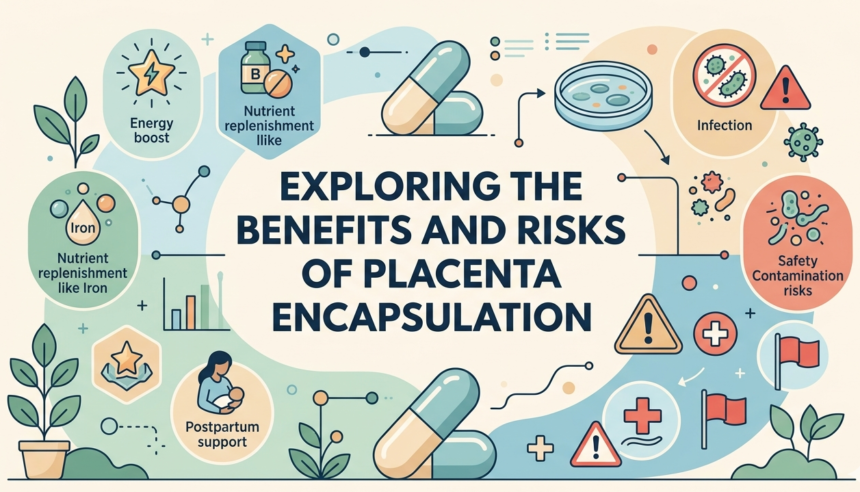
What is Placenta Encapsulation?
Placenta encapsulation is a process that involves preparing the placenta, a temporary organ developed during pregnancy, for consumption. This practice has gained traction among postpartum women within recent years, primarily due to the purported benefits of consuming the placenta in various forms, including capsules. The underlying belief is that the nutrients, hormones, and bioactive substances present in the placenta can support recovery and improve overall wellness during the postpartum period.
The encapsulation process typically begins shortly after birth. Once the placenta is delivered, it is thoroughly cleaned and prepared for consumption. There are two prominent methods of encapsulation: the raw method and the steamed method. In the raw method, the placenta is dehydrated at a low temperature to preserve its nutrients, then ground into a fine powder and placed into capsule form. Alternatively, the steamed method involves lightly cooking the placenta before dehydrating it. Proponents of the steamed method suggest that it can help reduce bacteria and enhance the placenta’s medicinal properties.
The rising popularity of placenta encapsulation can be attributed to the increasing interest in natural postpartum recovery methods. Many women have reported experiencing benefits such as improved mood, increased energy levels, enhanced milk production, and a more balanced hormonal transition. However, it is essential for individuals considering this practice to consult healthcare providers and research credible encapsulation services to ensure safety and adherence to health guidelines. While the anecdotal evidence is compelling for some, further scientific studies are necessary to substantiate the claims surrounding the benefits of placenta consumption.
Historical and Cultural Context
The practice of placenta consumption can be traced back through various historical narratives and cultural traditions across the globe. In many societies, the placenta is regarded with profound respect and considered an integral part of the childbirth experience. For instance, in traditional Chinese medicine, the placenta is attributed with restorative qualities believed to enhance vitality and promote healing. Its use in postpartum recovery has been documented for centuries, demonstrating a long-standing understanding of its nutritional potential.
In certain Indigenous cultures, the placenta is buried or ceremoniously celebrated, symbolizing a connection to the earth and honoring the life-giving properties of childbirth. The Maori people of New Zealand, for instance, hold the belief that the placenta (or “whenua”) represents the land, linking the child to their ancestral heritage. This cultural significance reflects a broader understanding of the placenta as a vital component of human life and lineage.
The resurgence of interest in placenta encapsulation in contemporary society echoes these traditional practices, as many new mothers turn to it as a means to support recovery and boost energy levels postpartum. Moreover, as modern research continues to explore the potential health benefits associated with the consumption of the placenta, these historical and cultural contexts provide vital insight into why many women feel compelled to engage in this practice. It sheds light on the complex interplay between cultural beliefs and health customs surrounding childbirth throughout history, highlighting the placenta’s enduring importance in various cultural frameworks.
Potential Benefits of Placenta Encapsulation
Placenta encapsulation has garnered attention as a potential method for enhancing postpartum recovery. Advocates of this practice suggest a variety of benefits, although scientific research is still limited. Among the purported benefits is an improvement in mood. Many women report experiencing less postpartum depression, attributing this to the hormonal and nutritional constituents retained in the placenta. Some studies suggest that the hormones, such as estrogen and progesterone, may help stabilize mood fluctuations after childbirth.
In addition to mood enhancement, increased energy levels are frequently cited among the benefits. The natural iron levels found in the placenta are believed to help combat the fatigue that often accompanies the postpartum period. By replenishing iron levels, the body may feel more energized and better equipped to handle the demands of a newborn. Moreover, anecdotal evidence suggests that women who consume their placenta may notice improvements in their overall vitality and stamina.
Another claimed benefit is better milk production. Proponents argue that consuming encapsulated placenta could enhance lactation due to its prolactin content, a hormone crucial for milk synthesis. Some mothers have reported increased milk supply after starting placenta encapsulation, leading to a more fulfilling breastfeeding experience. In various cultures, the consumption of the placenta is believed to support milk production, although further research is needed to substantiate these claims scientifically.
Lastly, reduced postpartum bleeding is often mentioned as a potential advantage. The placenta contains natural hormones that are thought to promote uterine contraction and healing, potentially mitigating excessive blood loss after childbirth. This aspect of placenta encapsulation is particularly appealing for those seeking to enhance their recovery process.
Nutritional Components of the Placenta
The placenta is a unique organ that forms during pregnancy, functioning as a lifeline between the mother and the developing fetus. It is rich in various nutritional components, including vitamins, minerals, and hormones, that may contribute to potential health benefits associated with its consumption.
One of the most notable nutritional aspects of the placenta is its high content of essential vitamins. For instance, it contains significant amounts of vitamin B6, which plays a vital role in energy metabolism and the synthesis of neurotransmitters. Additionally, vitamin B12 is present in the placenta, which is crucial for the formation of red blood cells and maintaining neurological functions. Furthermore, the placenta is a source of iron, a mineral that is fundamental for preventing anemia, particularly during and after pregnancy.
In addition to vitamins and minerals, the placenta is rich in hormones such as estrogen and progesterone. These hormones are critical for maintaining pregnancy and supporting overall reproductive health. They may contribute to improved mood, energy levels, and recovery post childbirth when consumed. The presence of oxytocin is another aspect of the placenta that attracts interest; it is known for its role in bonding and emotional well-being, which may enhance the postpartum experience.
Moreover, the placenta contains proteins, including growth factors and enzymes that might aid in tissue repair and regeneration. These properties could potentially support the recovery process after childbirth, contributing to overall maternal well-being.
In summary, the nutritional components of the placenta, including its vitamins, minerals, and hormones, may provide various health benefits for postpartum recovery and overall female health. The exploration of these components continues to attract attention as more individuals consider the practice of placenta encapsulation.
Scientific Evidence and Research Findings
Placenta encapsulation, the process of preparing and consuming the placenta after childbirth, has gained attention for its purported benefits on postpartum recovery and emotional well-being. To assess the efficacy of this practice, various studies have been conducted, but the scientific evidence supporting its advantages is limited and often controversial. While some anecdotal reports suggest enhanced energy levels, decreased postpartum depression, and improved lactation, scientific scrutiny reveals a different picture.
Several small-scale studies have attempted to evaluate the impact of placenta encapsulation on postpartum outcomes. For instance, a study published in the Journal of Obstetrics and Gynecology indicated that women who consumed placenta capsules reported fewer occurrences of postpartum depression symptoms. However, the research was not sufficiently robust, lacking control groups and randomization, which are crucial for establishing causative relationships.
Moreover, a systematic review highlights that existing studies predominantly rely on self-reported surveys, which may introduce biases. Evidence suggests that the psychological placebo effect may significantly contribute to reported benefits, leading to the assumption that taking placenta capsules enhances emotional well-being. The lack of double-blind, placebo-controlled trials hampers the reliability of these findings.
It is also pertinent to address safety concerns regarding placenta consumption. The Centers for Disease Control and Prevention (CDC) has cautioned about the potential for bacteria and pathogens present in the placenta to cause illness. Consequently, rigorous quality control measures in encapsulation processes are essential, as not all practitioners follow the same safety protocols.
In conclusion, while the practice of placenta encapsulation is surrounded by claims of positive outcomes, the scientific evidence remains inconclusive. More comprehensive and controlled studies are necessary to validate these claims and ascertain the associated risks and benefits, ensuring that new mothers can make informed choices about this increasingly popular postpartum practice.
Potential Risks and Concerns
Placenta encapsulation, while gaining popularity among certain groups, is not without its potential risks. One significant concern is the possibility of contamination during the preparation process. If the placenta is not handled with strict hygiene, pathogens could be introduced, leading to potential infections for the mother. The lack of standardization in methods used for encapsulation raises further concerns, as inconsistencies in preparation can lead to varying levels of effectiveness and safety.
Improper preparation is another critical issue. Many individuals who offer placenta encapsulation services may not have the necessary training or expertise. Therefore, the risk of inadequate heating or drying processes remains high, which are crucial steps that eliminate harmful bacteria. A poorly prepared product could not only result in ineffectiveness but also pose health risks.
Additionally, the regulatory landscape surrounding placenta encapsulation is minimal. In many regions, there are no formal guidelines governing the practice, which leads to a significant lack of oversight. This raises questions about the safety and quality of the encapsulated pills being provided to new mothers. Furthermore, without a regulatory framework, there is little recourse for individuals who may experience adverse effects after consumption.
There are also concerns regarding potential adverse reactions. Some women have reported experiencing side effects such as nausea, vomiting, or digestive issues after ingesting encapsulated placenta. While these anecdotes may not represent the majority, they highlight the importance of being mindful of individual reactions to placenta consumption.
Safety Guidelines for Placenta Encapsulation
When considering placenta encapsulation, it is essential to prioritize safety in both the selection of the service provider and the subsequent handling of the encapsulated product. First and foremost, research potential encapsulation services thoroughly. Look for providers that adhere to strict health and safety standards, which include using sterile equipment and maintaining proper hygiene practices throughout the process. Ask questions about the training and certification of the technicians, and seek out testimonials from previous clients to gauge satisfaction and credibility.
Once you have selected a reputable encapsulation service, ensure that the handling and storage of your placenta are conducted in a safe manner. Following childbirth, the placenta should be refrigerated or frozen within a couple of hours to prevent bacterial growth. If you live in an area where encapsulation services are not readily available, ensure you have a plan for the rapid processing of your placenta to maintain its integrity and prevent contamination.
Upon receiving your encapsulated placenta, it is crucial to store the capsules properly. They should be kept in a cool, dry place, preferably in an airtight container to avoid exposure to moisture and heat. It is recommended to consume the capsules within a few months to ensure maximum potency and effectiveness. Additionally, always consult with a healthcare professional before starting the consumption of encapsulated placenta, especially if there are any pre-existing health conditions or concerns.
Lastly, educate yourself on recommended dosages for encapsulated placenta consumption and follow the guidelines provided by your encapsulation service or a healthcare provider. This ensures that you obtain the benefits while mitigating any potential risks associated with its consumption. By following these safety guidelines, individuals can better navigate the process of placenta encapsulation with confidence and care.
Personal Experiences and Testimonials
Placenta encapsulation has gained popularity among new mothers, who are often eager to share their personal experiences. While testimonies can vary widely, they often highlight both positive and negative aspects of the process, providing valuable insights into its subjective nature.
Many mothers report feeling a noticeable boost in energy after consuming their encapsulated placenta. They attribute this newfound vigor to the nutrients and hormones retained within the capsules, suggesting that the benefits may help with postpartum recovery. For instance, one mother mentioned that, following the birth of her child, she experienced fewer mood swings and felt a greater emotional stability, which she believed was linked to the placenta capsules she had taken daily.
On the other hand, not all testimonials are favorable. Some women have reported adverse effects, such as digestive discomfort or nausea after consuming the capsules. In certain cases, these women expressed doubt regarding the health claims associated with placenta encapsulation, feeling that the potential benefits did not outweigh the adverse reactions they experienced. One individual shared that, despite her initial excitement, she found the capsules difficult to tolerate, leading her to discontinue use shortly after starting.
Furthermore, personal beliefs about placenta encapsulation can significantly influence individual experiences. Some mothers view it as a natural and empowering choice, while others may be skeptical, citing a lack of extensive scientific evidence supporting the claims. This division underscores the need for expecting mothers to conduct thorough research and consider their own health needs and preferences before deciding on the procedure.
In conclusion, personal experiences with placenta encapsulation can vary widely, with testimonials reflecting both favorable and unfavorable aspects. It is essential for prospective mothers to explore these narratives, as they offer insights into the potential benefits and risks associated with the practice.
Conclusion and Final Thoughts
As we have explored throughout this blog post, placenta encapsulation presents a variety of potential benefits for postpartum recovery, including hormonal balance, increased energy levels, and a reduction in the risk of postpartum depression. Many mothers who have opted for this process report anecdotal improvements in their overall well-being, leading to a heightened interest in this practice within the realm of holistic health. The inclusion of placenta capsules in postpartum care may support a smoother transition into motherhood, allowing new parents to cope better with the challenges they face.
However, it is equally important to acknowledge the potential risks associated with placenta encapsulation. Concerns regarding contamination, improper processing, and the lack of rigorous scientific evidence supporting the claimed benefits cannot be overlooked. Each individual’s health circumstances and personal beliefs play a significant role in the decision-making process on whether to pursue this practice. It is essential for expectant mothers to consult healthcare professionals and weigh these factors critically before proceeding.
In conclusion, the journey of postpartum health and recovery is highly individualistic, and decisions like placenta encapsulation must consider both the potential benefits and risks. Recognizing that what may work for one person may not yield the same results for another is crucial. We encourage readers to engage in thorough research and self-reflection, ultimately making informed decisions that align with their own unique situations and health goals. This balanced approach will not only empower individuals but also contribute to a more supportive dialogue surrounding the multifaceted topic of postpartum recovery.