
Discover the Hidden Gems of Quintana Roo Mexico
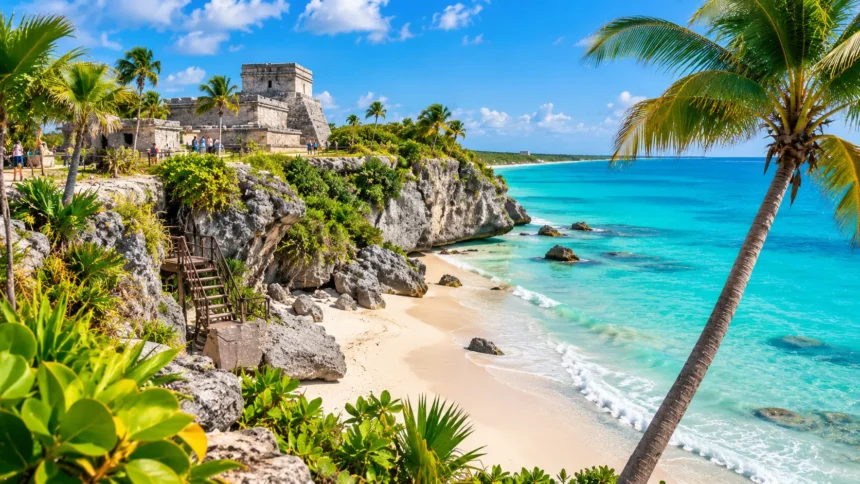
Quintana Roo, Mexico, is a beautiful Caribbean destination known for its turquoise waters, tropical forests, ancient Maya ruins, and peaceful coastal communities. Although Cancún and Tulum attract millions of visitors, the state offers many lesser-known destinations worth exploring. From colorful freshwater lagoons to historic towns, Quintana Roo provides memorable experiences for different types of travelers.
Beyond the popular resort areas, visitors can discover traditional communities, local restaurants, protected natural environments, and remarkable archaeological sites. Places such as Bacalar, Mahahual, and Puerto Morelos offer a more relaxed atmosphere than larger tourist destinations. These locations allow travelers to appreciate the natural beauty and cultural diversity of the Mexican Caribbean.
Planning your vacation around both famous attractions and hidden gems can make your experience more rewarding. Understanding local transportation, seasonal weather, accommodation options, and cultural traditions helps you prepare for a comfortable journey. Whether you enjoy history, photography, nature, or relaxing sightseeing, Quintana Roo offers numerous opportunities to create lasting travel memories.
Where Is Quintana Roo Located?
Quintana Roo is a Mexican state located along the eastern side of the Yucatán Peninsula. It borders the Caribbean Sea, the Mexican states of Yucatán and Campeche, and the neighboring country of Belize. Its geographical location provides a combination of tropical forests, coastal landscapes, freshwater lagoons, and important historical attractions.
Chetumal is the capital of Quintana Roo and serves as an important cultural and administrative center in the southern part of the state. Cancún, Playa del Carmen, and Tulum are among its best-known tourist destinations. The islands of Cozumel, Isla Mujeres, and Holbox also attract visitors interested in beautiful coastal scenery.
International travelers can reach Quintana Roo through airports serving Cancún, Tulum, Cozumel, and Chetumal. Transportation options vary according to the destination and available travel connections. Understanding the state’s geography can help you organize an efficient itinerary, particularly when combining popular northern destinations with quieter communities in southern Quintana Roo.
Explore the Beautiful Bacalar Lagoon
Bacalar is a charming town in southern Quintana Roo, famous for its extraordinary freshwater lagoon. Often called the Lagoon of Seven Colors, it displays different shades of blue and turquoise depending on water depth and sunlight. Its peaceful surroundings make it an attractive destination for travelers seeking beautiful scenery and relaxation.
The historic Fort of San Felipe is another interesting attraction located near the lagoon. Its stone walls and museum provide insight into the region’s history and past defensive role. Visitors can also explore Bacalar’s town center, discover locally prepared food, and browse independent shops selling traditional crafts and regional products.
Bacalar Lagoon contains sensitive ecosystems, including important microbial formations known as microbialites. Visitors should respect environmental regulations, avoid touching these formations, and follow local conservation guidelines. Choosing responsible sightseeing activities and supporting environmentally conscious businesses can help preserve the lagoon’s remarkable natural beauty for future generations.
Discover the Peaceful Coastal Town of Mahahual
Mahahual is a small coastal destination along the Costa Maya region of Quintana Roo. It features beautiful Caribbean scenery, sandy beaches, and a relaxed waterfront atmosphere. Compared with larger resort cities, Mahahual offers visitors an opportunity to enjoy coastal landscapes and discover local businesses at a more comfortable pace.
The town’s waterfront promenade provides an enjoyable setting for sightseeing, photography, and visiting independent restaurants. Local businesses serve seafood, traditional Mexican dishes, and regional specialties throughout the area. Visitors can also admire the Mahahual Lighthouse and appreciate the surrounding coastline from established public viewing areas.
Mahahual can become considerably busier when cruise ships arrive at the nearby port. Travelers seeking quieter experiences should check expected visitor activity before planning their trip. Weather conditions and seaweed levels can also influence the appearance of local beaches, making flexibility important when organizing your Costa Maya vacation.
Visit Puerto Morelos for a Relaxed Caribbean Experience
Puerto Morelos is a welcoming coastal town located between Cancún and Playa del Carmen. It offers a quieter atmosphere while remaining conveniently connected to several major tourist destinations. Its central square, traditional restaurants, sandy coastline, and distinctive leaning lighthouse make it an interesting location for relaxed sightseeing and cultural exploration.
The nearby Puerto Morelos Reef National Park protects important marine habitats associated with the Mesoamerican Barrier Reef System. These ecosystems support diverse marine life and contribute to the environmental importance of the region. Visitors can learn about marine conservation through educational resources and authorized sightseeing experiences that respect protected habitats.
Puerto Morelos is also close to several managed nature attractions along the Ruta de los Cenotes. These locations provide opportunities to learn about the Yucatán Peninsula’s remarkable limestone geology and freshwater systems. Always choose established visitor facilities and follow official environmental and safety guidelines when exploring natural attractions around the town.
Experience the Natural Beauty of Holbox Island
Holbox is a tropical island located off the northern coastline of Quintana Roo. Known for its sandy streets, colorful buildings, coastal landscapes, and relaxed atmosphere, it offers a distinctive alternative to larger resort destinations. The island is particularly appealing to visitors interested in photography, local artwork, and peaceful waterfront scenery.
The town center features colorful murals, independent restaurants, small shops, and comfortable public spaces. Visitors can enjoy traditional dishes, explore locally produced artwork, and discover the island’s welcoming community atmosphere. Sunset views from designated public beach areas also provide memorable opportunities to appreciate the surrounding Caribbean and Gulf landscapes.
Travelers generally reach Holbox by taking a ferry from the mainland town of Chiquilá. Ferry schedules and island transportation services can be affected by weather conditions. Bringing appropriate footwear and preparing for occasional flooding along sandy streets can help make your visit more comfortable, especially during the rainy season.
Explore the Sian Ka’an Biosphere Reserve
The Sian Ka’an Biosphere Reserve is one of the most remarkable protected natural areas in Quintana Roo. Recognized as a UNESCO World Heritage Site, it contains tropical forests, mangroves, wetlands, and marine ecosystems. Its diverse landscapes provide important habitats for numerous plant and animal species found throughout the Mexican Caribbean.
Visitors can learn about the reserve’s ecological importance through authorized guided experiences and educational activities. The area supports conservation efforts involving wildlife protection, coastal ecosystems, and sustainable resource management. Exploring these subjects provides a deeper understanding of the relationship between Quintana Roo’s natural environment and its surrounding communities.
Because Sian Ka’an contains sensitive habitats and restricted areas, visitors should arrange experiences through authorized operators and follow established conservation rules. Access conditions may change because of weather, maintenance, or environmental protection requirements. Responsible tourism helps preserve this extraordinary destination while allowing visitors to appreciate its natural and cultural significance.
Discover Ancient Maya Ruins in Southern Quintana Roo
Kohunlich is an impressive archaeological site located within the tropical landscapes of southern Quintana Roo. It is particularly known for its Temple of the Masks and surviving examples of ancient Maya architecture. The surrounding forest creates a peaceful setting for visitors interested in history, archaeology, and traditional building techniques.
Chacchoben is another fascinating archaeological destination featuring ancient ceremonial structures, stone platforms, and forested surroundings. Exploring its authorized visitor areas allows travelers to learn about the communities that once occupied this region. These historical remains provide valuable insights into ancient Maya society, architectural knowledge, and regional development.
Visiting lesser-known archaeological sites can offer a different experience from exploring heavily visited destinations such as Tulum. Hiring a qualified local guide may help you understand the historical significance of individual structures. Respect all preservation rules, avoid climbing restricted monuments, and check current admission requirements before organizing your visit.
Explore Chetumal and Its Local Culture
Chetumal is the capital city of Quintana Roo and an interesting destination for travelers who want to experience regional history beyond the popular resort areas. Its location beside Chetumal Bay provides attractive waterfront scenery and a connection to the southern Caribbean region. The city also offers convenient access to nearby cultural attractions.
The Museum of Maya Culture is a worthwhile stop for visitors interested in learning about ancient civilizations, traditional communities, and regional heritage. Educational exhibits provide information about Maya architecture, daily life, and cultural achievements. Exploring the museum can help travelers better understand the archaeological sites found throughout the Yucatán Peninsula.
Chetumal’s waterfront boulevard offers opportunities to enjoy bay views, discover public spaces, and visit local restaurants. The city also serves as a practical base for exploring Bacalar and several southern archaeological sites. Spending time here allows visitors to experience a different side of Quintana Roo while supporting local businesses.
Experience Traditional Maya Culture and Mexican Food
Quintana Roo has a rich cultural identity shaped by its longstanding Maya communities and diverse regional traditions. The Maya Ka’an region provides opportunities to learn about local heritage, traditional craftsmanship, and community-based tourism. Respectful cultural experiences can help visitors understand the traditions that continue influencing everyday life throughout the state.
Traditional regional food includes dishes such as cochinita pibil, sopa de lima, tamales, and handmade tortillas. Coastal communities also prepare various seafood dishes using regional ingredients and cooking techniques. Visiting established local restaurants and community markets provides opportunities to discover these flavors while supporting businesses operating throughout Quintana Roo.
Travelers should respect local customs, ask permission before photographing individuals, and avoid entering private or culturally restricted locations. Learning a few basic Spanish phrases can also make everyday communication easier. Appreciating regional culture involves more than sightseeing because it requires understanding and respecting the communities that make each destination unique.
Best Time to Visit Quintana Roo Mexico
December through April is generally a popular time to visit Quintana Roo because these months typically offer drier weather and comfortable sightseeing conditions. However, Christmas, New Year, and other holiday periods can bring larger crowds and higher accommodation prices. Booking in advance may provide more flexibility when planning your vacation.
The warmer months often bring higher humidity, tropical rainfall, and changing coastal conditions. Sargassum seaweed may accumulate along Caribbean beaches, particularly during spring and summer, although its arrival varies between locations and years. Inland attractions, museums, and cultural experiences can provide enjoyable alternatives when beach conditions are less favorable.
The Atlantic hurricane season officially runs from June 1 through November 30. Travelers visiting during this period should monitor weather forecasts, consider flexible reservations, and review suitable travel insurance coverage. Checking official weather advisories shortly before departure is particularly important when visiting coastal destinations or planning transportation between different islands.
How to Get Around Quintana Roo
Quintana Roo offers several transportation options connecting major towns, airports, and tourist destinations. Intercity buses provide useful connections between places such as Cancún, Playa del Carmen, Tulum, Bacalar, and Chetumal. Advance reservations can be helpful during popular vacation periods when transportation services may experience increased demand from visitors.
The Tren Maya also connects selected destinations throughout the Yucatán Peninsula, including several locations within Quintana Roo. Travelers should review current train schedules, station locations, and onward transportation arrangements before purchasing tickets. Ferry services provide additional connections between mainland destinations and popular islands such as Cozumel, Isla Mujeres, and Holbox.
Rental vehicles and authorized transportation services may provide additional flexibility for exploring established attractions outside major towns. However, visitors should consider road conditions, insurance requirements, and applicable driving regulations. Grouping nearby destinations together can help reduce unnecessary travel time and make your Quintana Roo vacation more organized and enjoyable.
Essential Travel and Safety Tips for Quintana Roo
International visitors should check passport, visa, and entry requirements according to their nationality before traveling to Mexico. Quintana Roo also has a tourism-related charge known as VISITAX that applies to foreign tourists under the state’s published requirements. Confirm applicable charges and use official government information to avoid misleading third-party payment requests.
Keep essential belongings secure, use authorized transportation services, and check current government travel advisories before visiting unfamiliar destinations. Carry sufficient drinking water, sun protection, comfortable footwear, and necessary personal items throughout your vacation. Children and teenagers should explore unfamiliar destinations with a trusted adult and follow local visitor safety guidelines.
Always respect beach warning flags, archaeological restrictions, and protected wildlife areas. Avoid entering closed attractions, isolated natural locations, or unfamiliar bodies of water without appropriate supervision. Staying within established visitor areas and following local guidance helps protect personal safety while preserving the remarkable cultural and natural environments of Quintana Roo.
Conclusion
Quintana Roo, Mexico, offers much more than famous beaches and large Caribbean resorts. From the colorful waters of Bacalar Lagoon to the peaceful communities of Mahahual and Puerto Morelos, visitors can discover numerous hidden gems. Ancient Maya ruins, tropical landscapes, and traditional cultural experiences make the state particularly rewarding to explore.
Planning transportation, accommodation, and sightseeing activities in advance can help create a comfortable and enjoyable vacation. Seasonal weather, seaweed conditions, and attraction availability should also influence your travel decisions. Combining popular destinations with lesser-known communities allows you to appreciate different aspects of the Mexican Caribbean without following an unnecessarily demanding itinerary.
Whether you enjoy history, local food, photography, or peaceful coastal scenery, Quintana Roo provides plenty of opportunities to discover something new. Supporting local businesses and respecting environmental regulations can make your journey more meaningful. With thoughtful preparation and responsible travel habits, Quintana Roo can offer unforgettable experiences and lasting vacation memories.
FAQs
What is Quintana Roo Mexico famous for?
Quintana Roo is famous for its Caribbean beaches, ancient Maya ruins, turquoise lagoons, tropical forests, and coastal resorts. Popular destinations include Cancún, Tulum, Cozumel, Bacalar, and Playa del Carmen.
What are the best hidden gems in Quintana Roo?
Bacalar, Mahahual, Puerto Morelos, Kohunlich, and Chetumal are excellent destinations beyond the major resort areas. They offer beautiful scenery, historical attractions, cultural experiences, and opportunities for relaxed sightseeing.
What is the best month to visit Quintana Roo?
December through April generally offers drier weather and pleasant sightseeing conditions. January and February are particularly popular, although accommodation prices and visitor numbers may increase during the peak travel season.
How many days do you need in Quintana Roo?
Seven to ten days provides sufficient time to explore several coastal towns, archaeological sites, and natural attractions. Longer vacations allow travelers to discover southern destinations at a more comfortable pace.
Is Quintana Roo worth visiting beyond Cancún?
Yes, Quintana Roo offers numerous destinations beyond Cancún, including Bacalar Lagoon, Holbox Island, traditional Maya communities, and protected nature reserves. These locations provide diverse cultural, historical, and scenic experiences.