Some kids tie their shoes in ten seconds flat. Other kids need three tries and a parent’s steady hand. That gap shows up everywhere, at home, at school, at the park, almost every single day. Most parents notice it long before a teacher ever says a word. A messy pencil grip. Buttons that will not cooperate. Big meltdowns over socks that feel wrong on tiny feet. None of that means something is broken in a child. It usually means the brain and the body need a bit more practice working together. That is exactly where occupational therapy for kids melbourne comes in, turning everyday struggles into real skills, one small win at a time.
What Does An Occupational Therapy Session Actually Look Like?
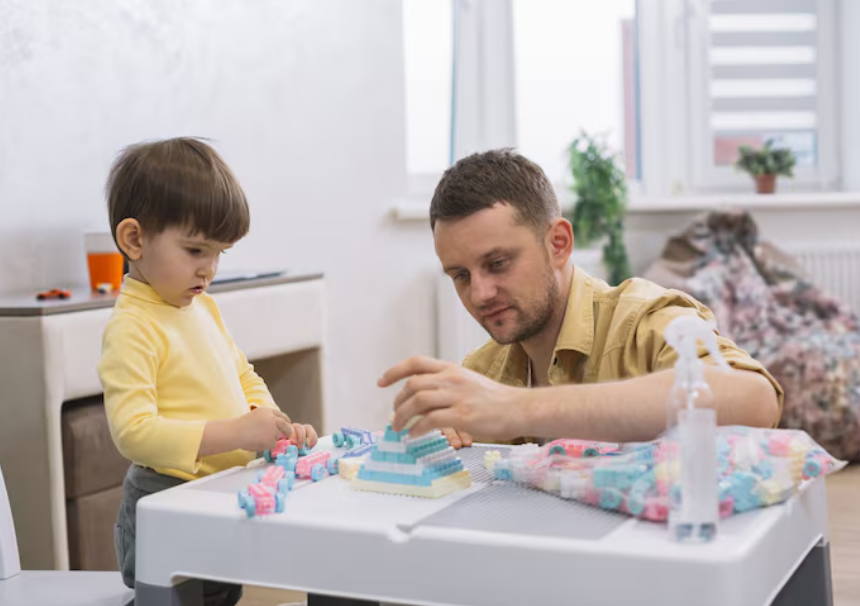
In Melbourne clinics, a session rarely looks like a classroom. It looks more like play, on purpose. A therapist might use a swing to build balance, therapy putty to strengthen tiny hand muscles, or a simple game of catch to work on timing. Occupational therapists in Australia are registered allied health professionals under the Occupational Therapy Board of Australia, so nothing about the play is random. Every activity is chosen to build one specific skill, handwriting, dressing, eating with cutlery, or calming down after a big feeling. Parents usually get homework too, small five minute tasks to repeat at home, because practice between sessions matters just as much as the session itself.
Why Are So Many Melbourne Families Looking Into This?
The numbers are bigger than most people expect. National data suggests close to one in five Australian children under five show some kind of developmental delay or concern, whether that is motor skills, speech, or behaviour. Among school aged kids, Australian Bureau of Statistics figures put disability prevalence at close to one in ten. A chunk of that group deals with developmental coordination disorder, a condition that makes everyday movement, writing, dressing, riding a bike, genuinely hard, and it affects somewhere around five to six percent of children. These are not rare, tucked away problems. They sit in nearly every classroom in Melbourne, and that is exactly why demand for paediatric OT keeps climbing.
Which Skills Actually Get Stronger With Therapy?
- Holding a pencil without a death grip
- Buttoning a shirt or zipping a jacket solo
- Using scissors without frustration tears
- Catching and throwing a ball with real accuracy
- Sitting still at the table through a whole meal
- Calming down faster after a meltdown
How Do Sessions Usually Get Scheduled?
| Session Type | Typical Length | Best Suited For |
| Weekly therapy | 45 to 60 minutes | Kids with bigger delays needing steady, frequent practice |
| Fortnightly therapy | 45 to 60 minutes | Kids making solid progress who need a lighter touch |
| Initial assessment | 60 to 90 minutes | Families still figuring out what their child actually needs |
What Happens If A Family Waits Too Long?
Here is the blunt truth. Waiting rarely fixes a motor or sensory delay on its own. Young brains are wildly adaptable, which is exactly why early intervention gets pushed so hard by researchers and clinicians alike. Occupational Therapy Australia has even flagged that too many services lean only on one on one therapy, when a mix of home practice, school support, and clinic sessions usually works better and costs families less in the long run. Melbourne families who start early tend to see fewer frustrations piling up once school really ramps up. The skills get built while the building is still easy to do.