
Introduction
Medical devices require components that meet strict requirements for precision, consistency, and material performance. From surgical instruments and diagnostic equipment to respiratory systems and wearable medical devices, silicone components play an important role in supporting reliable product operation.
As medical technology continues to develop, manufacturers increasingly require Custom Medical-Grade Silicone Parts designed for specific applications. These components must meet carefully defined requirements for flexibility, dimensional accuracy, biocompatibility, and production consistency.
One manufacturing process that supports these requirements is LSR injection molding. This specialized technique uses liquid silicone rubber to produce complex components with precise shapes and consistent material properties. Working with an experienced medical silicone manufacturer can help medical device companies turn technical designs into production-ready components.
What Are Custom Medical-Grade Silicone Parts?
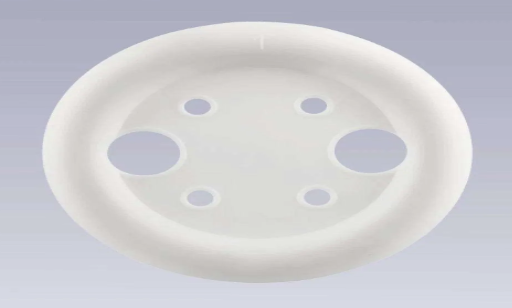
Custom Medical-Grade Silicone Parts are specially manufactured silicone components developed for medical devices and healthcare applications. Unlike standard silicone products, these components are designed according to specific engineering requirements, application conditions, and relevant regulatory expectations.
Medical-grade silicone is valued for its flexibility, temperature resistance, chemical stability, and potential biocompatibility when the appropriate material formulation and testing support the intended application.
Common Medical Applications
Custom silicone components are used across different healthcare sectors, including:
- Respiratory equipment: Seals, breathing masks, connectors, and flexible tubing components.
- Surgical instruments: Flexible grips, protective covers, and sealing elements.
- Diagnostic devices: Silicone membranes, valves, and precision seals.
- Drug delivery systems: Selected silicone components used in pumps and fluid-control assemblies.
- Wearable medical devices: Flexible interfaces, protective elements, and skin-contact components.
- Medical monitoring equipment: Buttons, membranes, and protective silicone parts.
Each application has different requirements. For example, a respiratory mask component may need excellent flexibility and a comfortable contact surface, while a medical valve may require precise dimensions and controlled sealing performance.
Why LSR Injection Molding Is Important for Medical Manufacturing
LSR injection molding is a manufacturing process used to produce silicone components from liquid silicone rubber. The material generally consists of two components that are metered, mixed, and injected into a heated mold, where they cure into the required shape.
This process is particularly useful for manufacturing complex silicone parts with detailed geometries and repeatable dimensions.
1. High Precision and Consistent Production
Medical components often have strict dimensional requirements. Even small variations can affect how a component fits into an assembled device.
LSR injection molding supports controlled material delivery and repeatable molding conditions. With properly designed molds and validated production processes, manufacturers can produce components with consistent dimensions across production batches.
This makes the process suitable for seals, valves, membranes, and other precision medical components.
2. Production of Complex Shapes
Some medical devices require silicone components with thin walls, small openings, detailed surfaces, or complicated internal structures.
LSR injection molding can accommodate many of these design requirements. Its ability to process liquid silicone rubber makes it suitable for producing intricate geometries that may be difficult to achieve through conventional manufacturing methods.
3. Flexible Material Properties
Medical silicone formulations can be selected to achieve different levels of softness, elasticity, and mechanical performance.
Depending on the application, manufacturers can help select suitable material hardness, tear strength, and compression characteristics.
This flexibility allows engineers to develop components for different medical environments and device functions.
Important Material Requirements for Medical Silicone Components
Choosing the right silicone material is one of the most important decisions during product development. Not every silicone formulation is suitable for every medical application.
Biocompatibility Considerations
For components that contact the human body, material selection must consider the nature and duration of contact.
Depending on the intended use, manufacturers may evaluate relevant biological safety requirements under ISO 10993. Testing should be appropriate to the device category and contact conditions.
It is important to understand that the term medical-grade alone does not automatically establish that a finished component is suitable for every medical application.
Temperature Resistance
Medical equipment may experience different temperature conditions during operation, cleaning, or sterilization.
Silicone materials are available with different temperature-performance characteristics. The selected formulation should be evaluated against the actual operating and processing conditions of the finished device.
Chemical Resistance
Some medical components come into contact with cleaning agents, disinfectants, pharmaceutical substances, or bodily fluids.
Material compatibility should be assessed before production to help prevent unwanted changes in the component’s physical properties.
Mechanical Performance
Flexibility, tear strength, compression set, and elasticity are important considerations when developing Custom Medical-Grade Silicone Parts.
For example, a silicone sealing component must maintain its shape and sealing function under the expected pressure and operating conditions.
The Manufacturing Process Behind Custom Medical-Grade Silicone Parts
Developing a medical silicone component involves more than simply producing a mold. Each stage requires attention to engineering details and quality requirements.
Step 1: Product Design and Requirement Analysis
The process begins with understanding the intended application and technical specifications.
Engineers review drawings, 3D models, dimensions, tolerances, material requirements, and operating conditions.
At this stage, manufacturers may also recommend design modifications to improve moldability and production efficiency.
Step 2: Material Selection
The appropriate liquid silicone rubber formulation is selected according to the component’s intended function.
Important factors include hardness, elasticity, biocompatibility requirements, chemical exposure, and temperature conditions.
Material documentation and supplier qualifications should also be reviewed.
Step 3: Mold Design and Development
Mold design has a direct impact on component quality and manufacturing efficiency.
Engineers consider cavity layout, injection points, venting, curing conditions, and part removal. Proper mold design helps reduce defects such as air entrapment, incomplete filling, and dimensional inconsistencies.
Step 4: LSR Injection Molding
After mold preparation, the liquid silicone components are metered and mixed before entering the injection system.
The material is injected into the heated mold, where it cures into the required component shape.
Process parameters such as injection pressure, temperature, and curing time must be controlled to achieve repeatable results.
Step 5: Inspection and Quality Control
Finished parts undergo inspection based on their technical specifications.
Depending on the product, quality checks may include:
- Dimensional measurement
- Visual inspection
- Hardness testing
- Material verification
- Mechanical performance testing
- Cleanliness assessment
- Relevant biocompatibility evaluation
For medical applications, manufacturers should maintain appropriate documentation and traceability throughout production.
How to Select the Right Medical Silicone Manufacturer
Choosing a capable manufacturing partner is an important part of medical product development. The right supplier should understand both silicone processing and the specific requirements of medical device production.
Evaluate Manufacturing Experience
Look for a manufacturer with practical experience in LSR injection molding and custom medical silicone components.
Ask about previous projects involving similar geometries, material requirements, and production volumes.
Review Quality Management Systems
Medical device supply chains often require suppliers to operate within controlled quality management systems.
ISO 13485 certification can be an important consideration because it relates specifically to quality management for medical devices. However, certification alone does not guarantee that every component meets the requirements of a particular application.
Check Engineering and Customization Capabilities
A suitable supplier should be able to support mold development, material selection, prototype production, and manufacturing optimization.
Technical communication is especially important when a product requires tight tolerances or complex geometries.
Common Challenges in LSR Injection Molding
Although LSR injection molding offers many advantages, successful production requires careful process development.
One common challenge is flash formation, which can occur when silicone material escapes through small gaps in the mold. Proper mold design and maintenance help control this issue.
Air entrapment can also affect component appearance and integrity. Appropriate venting and optimized injection parameters are important for reducing this risk.
Another consideration is dimensional variation. Changes in curing conditions, material behavior, and mold performance can influence final component dimensions.
Experienced manufacturers address these challenges through process optimization, inspection procedures, and ongoing production monitoring.
Future Opportunities for Custom Medical Silicone Manufacturing
The demand for specialized medical silicone components continues to create opportunities for manufacturers and medical device developers.
Wearable monitoring systems, portable diagnostic equipment, respiratory devices, and advanced drug delivery technologies all require carefully engineered components.
As these products become more specialized, demand for customized silicone materials and precision molding solutions is expected to remain important.
LSR injection molding provides manufacturers with a flexible production method for developing components that meet specific engineering requirements while supporting repeatable manufacturing.
Conclusion
Custom Medical-Grade Silicone Parts are essential components in many healthcare products, where material performance, dimensional accuracy, and manufacturing consistency matter.
LSR injection molding offers an effective approach to producing complex silicone components with controlled material properties and repeatable dimensions. However, achieving the desired results depends on appropriate material selection, mold engineering, process validation, and quality control.
Partnering with an experienced medical silicone manufacturer can help medical device companies improve product development, address manufacturing challenges, and establish reliable production processes. By combining technical expertise with carefully controlled LSR injection molding, manufacturers can create silicone components designed for the specific needs of medical applications.


