
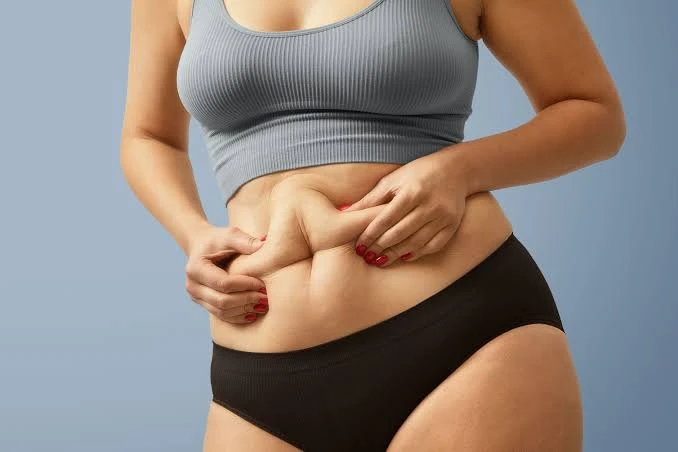
If you have been looking into plastic surgery in West Palm Beach, it could be because your middle just isn’t matching the way the rest of you looks and feels. This is especially common for women after pregnancy, but it can happen to anyone. A tummy tuck takes away the skin that will not spring back and restores muscle contours.
Why Some People Have a Problem
The abdomen is not a single pad of fat you can train away. Skin, fat, fascia, and the rectus muscles all sit in it in layers, and each layer responds differently to strain. Pregnancy stretches the wall from within for months, for example, while large gains and losses of weight pull it from another direction. Age then thins the collagen and elastin that once allowed the skin to snap back when it was stretched. What you see at the waist is the sum of those forces.
The most common reason for people to seek this procedure is after pregnancy. During pregnancy the linea alba, the midline band between the rectus muscles, widens to make room for the uterus. In a large share of women, that gap does not close on its own. Strength work can firm the muscle that remains, but it can’t draw the parted fascia back to the midline once the gap has set.
Skin that has been asked to cover a larger volume of fat often fails to shrink when the volume is gone, and no program of diet and exercise restores covering that has lost its snap. That is why you can hold at a healthy weight, walk every morning, and still be frustrated with a fold above the waistband or a bulge that no sit-up will flatten.
How the Tummy Tuck Plastic Surgery in West Palm Beach Works
Before a plan is drawn, the abdomen itself has to be read. Your surgeon will look at things like how much extra skin lies below the navel and how much above it; whether the muscles part only in the lower wall; if a cesarean left a scar that can be taken with the discarded tissue; and more. These distinctions will help you together decide whether a limited lower repair is enough or whether the full wall must be addressed.
You are a good candidate when your weight has been steady for months, when you have finished having children, when any illness you have is under control, and when you can leave nicotine alone long enough to thoroughly heal. If you have a body mass index of thirty or higher, are currently smoking, have poorly controlled diabetes or heart disease, or can’t pause medicines that thin the blood, you have a much higher risk of blood clots and poor healing. Your surgeon will discuss it all with you. Click here to learn more.
The procedure is performed under general anesthesia and commonly lasts from one to five hours, according to the extent of the repair. Afterward, you’ll wear an abdominal binder to support the wall for six to eight weeks while the swelling recedes.
If the midsection you have now isn’t the one you want, a tuck could help. Talk to a local surgeon as soon as possible to find out if you’re a candidate and what to do next.


