
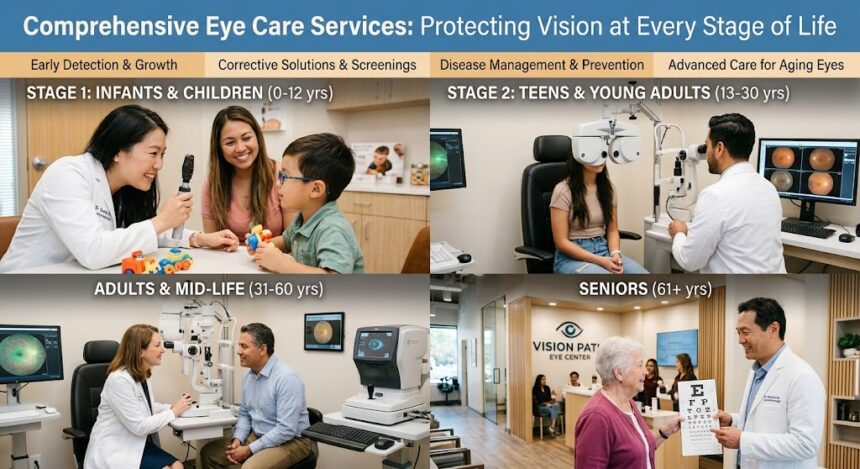
Maintaining healthy vision requires more than simply updating a prescription when things become blurry. Comprehensive eye care combines preventive examinations, accurate diagnosis, advanced treatments, and ongoing support to protect eyesight over time. For individuals researching dr betts boise and professional eye care options, Intermountain Eye Center is an example of a provider offering a broad range of services, from routine eye exams and advanced medical and surgical treatments to LASIK, PRK, ICL procedures, optical services, and specialized oculoplastic treatments. With a patient-focused approach, comprehensive eye care helps people address existing concerns, identify potential problems early, and maintain long-term visual clarity.
Why Comprehensive Eye Care Matters
Vision plays an essential role in everyday activities, including reading, driving, working, studying, and enjoying time with family. However, many eye conditions develop gradually, sometimes without noticeable symptoms during their early stages. Regular eye examinations allow professionals to assess visual performance, monitor eye health, and identify changes that may require further attention.
Comprehensive care considers more than visual sharpness. It can include evaluating eye pressure, examining the retina, checking the cornea, assessing eye coordination, and reviewing factors that may increase the risk of certain eye diseases. These evaluations help eye care professionals develop treatment plans based on individual needs.
Preventive care is particularly valuable for people with diabetes, a family history of glaucoma, age-related vision changes, or other factors associated with eye disease. Establishing a consistent examination schedule can support early intervention and reduce the likelihood that treatable conditions will progress unnoticed.
Routine Eye Exams and Preventive Vision Care
Routine eye examinations form the foundation of effective eye care. During an appointment, an eye care professional evaluates visual acuity, checks prescription requirements, and examines the structures responsible for clear vision. Depending on the patient’s age, symptoms, and medical history, additional tests may be recommended.
A comprehensive examination may help identify refractive errors, including nearsightedness, farsightedness, and astigmatism. It can also reveal early signs of conditions such as cataracts, glaucoma, and retinal disease.
Regular examinations are useful even when vision appears normal. Some serious eye conditions can progress without producing obvious discomfort or immediate changes in eyesight. Preventive appointments provide an opportunity to detect these problems before they significantly interfere with daily life.
Patients can also discuss concerns such as eye strain, headaches, dryness, irritation, and difficulty seeing at night. By understanding these symptoms and their possible causes, professionals can recommend appropriate solutions, lifestyle adjustments, or further testing.
Advanced Treatment for Cataracts
Cataracts develop when the natural lens of the eye becomes cloudy, gradually reducing the clarity of vision. They are commonly associated with aging, although certain medical conditions, medications, and injuries can also contribute to their development.
Common symptoms include blurred vision, increased sensitivity to light, difficulty driving at night, faded colors, and frequent changes in eyeglass prescriptions. When cataracts begin affecting everyday activities, an ophthalmologist may recommend surgical treatment.
Cataract surgery involves removing the cloudy natural lens and replacing it with an artificial intraocular lens. Modern surgical techniques and lens options allow treatment to be tailored to a patient’s visual requirements, eye health, and lifestyle.
An experienced ophthalmologist explains the available options, evaluates the suitability of different lens types, and helps patients understand expected outcomes. Follow-up appointments are also important for monitoring recovery and ensuring that healing progresses appropriately.
Glaucoma Diagnosis and Management
Glaucoma refers to a group of eye diseases that damage the optic nerve, which carries visual information from the eye to the brain. Elevated eye pressure is an important risk factor, although glaucoma can develop even when pressure readings fall within the normal range.
One of the main challenges is that glaucoma often causes no noticeable symptoms during its early stages. Peripheral vision may deteriorate gradually before a person realizes that something is wrong.
Comprehensive glaucoma care can include eye pressure measurements, optic nerve assessments, visual field testing, and other diagnostic procedures. These evaluations help professionals determine whether glaucoma is present and monitor changes over time.
Treatment depends on the type and severity of the disease. Prescription eye drops, laser procedures, and surgery may be used to lower eye pressure and reduce the risk of further optic nerve damage.
Because existing optic nerve damage generally cannot be reversed, early diagnosis and consistent management are especially important. Patients benefit from individualized treatment plans and regular monitoring to help preserve their remaining vision.
Retinal and Corneal Disorders
The retina and cornea perform different but equally important functions in vision. The retina detects light and sends visual signals to the brain, while the cornea provides much of the eye’s focusing power.
Understanding Retinal Conditions
Retinal disorders can affect central vision, peripheral vision, or the ability to see clearly in different lighting conditions. Examples include diabetic retinopathy, macular degeneration, retinal tears, and retinal detachment.
Depending on the condition, treatment may involve observation, medication, laser therapy, injections, or surgery. Regular retinal examinations are particularly important for individuals with diabetes and people at increased risk of age-related retinal disease.
Sudden flashes of light, a rapid increase in floaters, a shadow across the visual field, or sudden vision loss require urgent medical assessment because they can indicate a serious retinal problem.
Managing Corneal Disorders
The cornea can be affected by infections, injuries, inflammation, degenerative conditions, and irregularities in its shape. These problems may cause discomfort, light sensitivity, blurred vision, or difficulty wearing contact lenses.
Treatment varies according to the underlying cause and may include medication, specialized contact lenses, or surgical intervention. Some patients with advanced corneal disease may require procedures designed to restore the cornea’s structure and improve visual function.
A comprehensive eye care provider evaluates these conditions carefully to determine the most appropriate treatment and help patients protect their long-term vision.
Vision Correction With LASIK, PRK, and ICL
People who depend on glasses or contact lenses may wish to explore procedures that reduce their need for traditional vision correction. Refractive surgery offers several options, although suitability depends on individual eye measurements, prescription stability, corneal health, and other clinical factors.
LASIK
LASIK is a laser vision correction procedure that reshapes the cornea to correct certain refractive errors. It is widely known for its relatively quick recovery, although results and recovery experiences vary between individuals.
A detailed preoperative examination helps determine whether the procedure is appropriate. Patients should understand potential side effects, including dry eyes, glare, halos, and the possibility of needing additional correction later.
PRK
Photorefractive keratectomy, commonly known as PRK, also uses a laser to reshape the cornea. Unlike LASIK, it does not create a corneal flap. This can make PRK a suitable alternative for some patients who are not ideal LASIK candidates.
Recovery generally takes longer than with LASIK, and temporary discomfort or visual fluctuations may occur while the surface of the cornea heals.
Implantable Collamer Lens (ICL)
ICL surgery involves placing a specialized lens inside the eye to correct certain refractive errors. The natural lens remains in place, distinguishing this procedure from cataract surgery, in which the natural lens is removed.
ICL may be an option for selected patients, including some individuals with higher prescriptions who are not suitable candidates for corneal laser procedures. Careful screening and ongoing follow-up are essential to evaluate suitability and monitor eye health.
A qualified ophthalmologist explains the benefits, limitations, and risks of each option so patients can make informed decisions rather than choosing a procedure based on popularity alone.
Optical Services for Everyday Vision Needs
Although advanced treatments receive considerable attention, optical services remain an important part of comprehensive eye care. Prescription glasses, contact lenses, and appropriate lens options can improve visual comfort and support everyday activities.
An optical team can help patients select frames, understand lens materials, and choose features that match their prescription and lifestyle. For example, people who spend long hours working at a computer may benefit from discussing their visual symptoms and workplace habits during an eye examination.
Contact lens wearers also need guidance on proper hygiene, replacement schedules, and safe wearing practices. Poor lens care can increase the risk of irritation and eye infections, making regular professional advice especially valuable.
Coordinating examinations with optical services can make it easier for patients to address prescription changes while keeping their broader eye health needs in view.
Specialized Oculoplastic Treatments
Oculoplastic care focuses on the eyelids, tear drainage system, and surrounding structures of the eye. These treatments may address functional concerns, medical conditions, or cosmetic issues involving the area around the eyes.
Common concerns include drooping eyelids, eyelid malpositions, blocked tear ducts, eyelid lesions, and changes associated with aging. In some cases, an eyelid condition can interfere with the visual field, cause irritation, or affect the eye’s ability to close properly.
Treatment may involve medication, minor procedures, or surgery, depending on the diagnosis. A specialist evaluates the underlying problem and considers both the function of the affected structures and the patient’s overall eye health.
Oculoplastic services demonstrate why comprehensive eye care extends beyond the eyeball itself. Healthy eyelids and surrounding tissues help protect the eye surface, maintain comfort, and support normal visual function.
Choosing an Ophthalmologist in Boise
Finding an appropriate eye care professional involves considering qualifications, clinical experience, available services, and the quality of communication throughout the treatment process. Patients looking for an ophthalmologist boise can begin by identifying their needs, whether they involve routine examinations, chronic eye disease, cataract surgery, refractive correction, or specialized eyelid treatment.
An ophthalmologist is a medical doctor trained to diagnose and treat eye diseases and perform eye surgery. Depending on the patient’s condition, care may also involve optometrists, opticians, and other trained professionals working together.
When evaluating an eye care provider, patients may wish to consider the following factors:
- Range of services: Determine whether the practice provides the examinations, diagnostic testing, and treatments relevant to your needs.
- Professional qualifications: Review the provider’s training, credentials, and experience with the condition or procedure being considered.
- Individualized treatment: Look for clear explanations of available options, expected benefits, potential risks, and alternative approaches.
- Diagnostic capabilities: Appropriate testing can support accurate diagnosis and help professionals monitor changes over time.
- Follow-up care: Ongoing appointments are important for managing chronic conditions, evaluating surgical recovery, and maintaining eye health.
- Patient communication: A good clinical relationship allows patients to ask questions and understand their treatment plans.
Intermountain Eye Center provides an example of a practice offering multiple areas of eye care, helping patients explore preventive services, medical treatment, surgical options, and vision correction within a broader care setting.
Supporting Long-Term Eye Health
Professional examinations and treatments are important, but everyday habits also contribute to healthy vision. Although lifestyle changes cannot prevent every eye condition, sensible precautions can help protect the eyes and support general well-being.
Consider incorporating these habits into your routine:
- Schedule comprehensive eye examinations according to your age, medical history, symptoms, and professional recommendations.
- Wear appropriate protective eyewear during sports, home improvement projects, and activities involving flying particles or chemicals.
- Use sunglasses that provide adequate ultraviolet protection when spending time outdoors.
- Manage conditions such as diabetes and high blood pressure with guidance from qualified healthcare professionals.
- Follow proper contact lens hygiene and avoid wearing lenses longer than recommended.
- Take regular breaks during prolonged screen use and adjust lighting to improve visual comfort.
- Seek prompt medical attention for sudden vision changes, severe eye pain, significant injury, or other concerning symptoms.
Nutrition, hydration, physical activity, and avoiding smoking can also contribute to overall health, which is relevant to several conditions that affect vision.
Conclusion
Comprehensive eye care brings preventive examinations, advanced diagnostics, medical treatment, surgery, optical services, and specialized procedures together to address a wide range of visual needs. From cataracts and glaucoma to retinal and corneal disorders, the right care can help identify problems early, manage existing conditions, and protect long-term visual function.
For people exploring dr betts boise or searching for an ophthalmologist boise, understanding the available services is a useful starting point for making informed healthcare decisions. Providers such as Intermountain Eye Center illustrate how a broad, patient-focused approach can address routine vision needs alongside more complex medical and surgical concerns.
By combining regular professional care with healthy daily habits and timely attention to symptoms, patients can take meaningful steps toward preserving their eyesight, improving visual comfort, and maintaining their quality of life for years to come.


