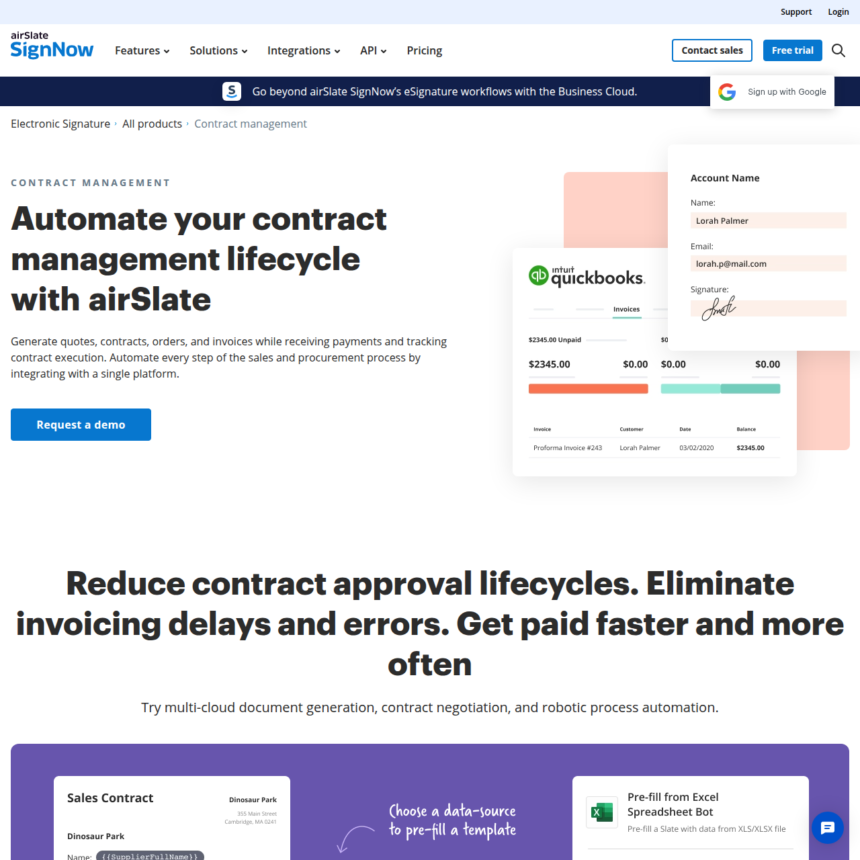
Contracts are central to everyday business operations, but managing them can become difficult when agreements move between sales, legal, finance, HR, customers, and external partners. Paper documents, scattered files, manual reminders, and unclear approval steps can make it harder to know which agreement is current or whether everyone has completed their part. A structured digital workflow can make the process easier to monitor and more consistent. For organizations evaluating modern tools, contract management can provide a practical way to organize agreements, send documents for signature, and maintain visibility throughout the signing process.
What Contract Management Means in a Digital Workplace
contract management is the process of organizing agreements from preparation through signing and ongoing recordkeeping. In a traditional workflow, employees may create a document, email it to another department, print a copy, collect signatures, scan the completed agreement, and eventually store it somewhere for future reference. Every additional manual step creates another opportunity for delays or version confusion.
A digital contract workflow brings these activities into a more structured process. Documents can be prepared electronically, sent to the appropriate people, and monitored as they move through the signing process. Instead of relying on individual inboxes or physical folders, teams can establish a consistent approach for handling agreements.
This is particularly useful when several people participate in a contract. A sales representative may prepare an agreement, a manager may need to review it, a customer may need to sign it, and finance may need access to the completed document. A digital workflow gives each participant a clearer role in the process.
Why Visibility Matters
Knowing whether a contract has been sent, opened, completed, or still requires attention is important for operational teams. Without visibility, employees may spend time sending follow-up emails or searching through files to determine the status of an agreement.
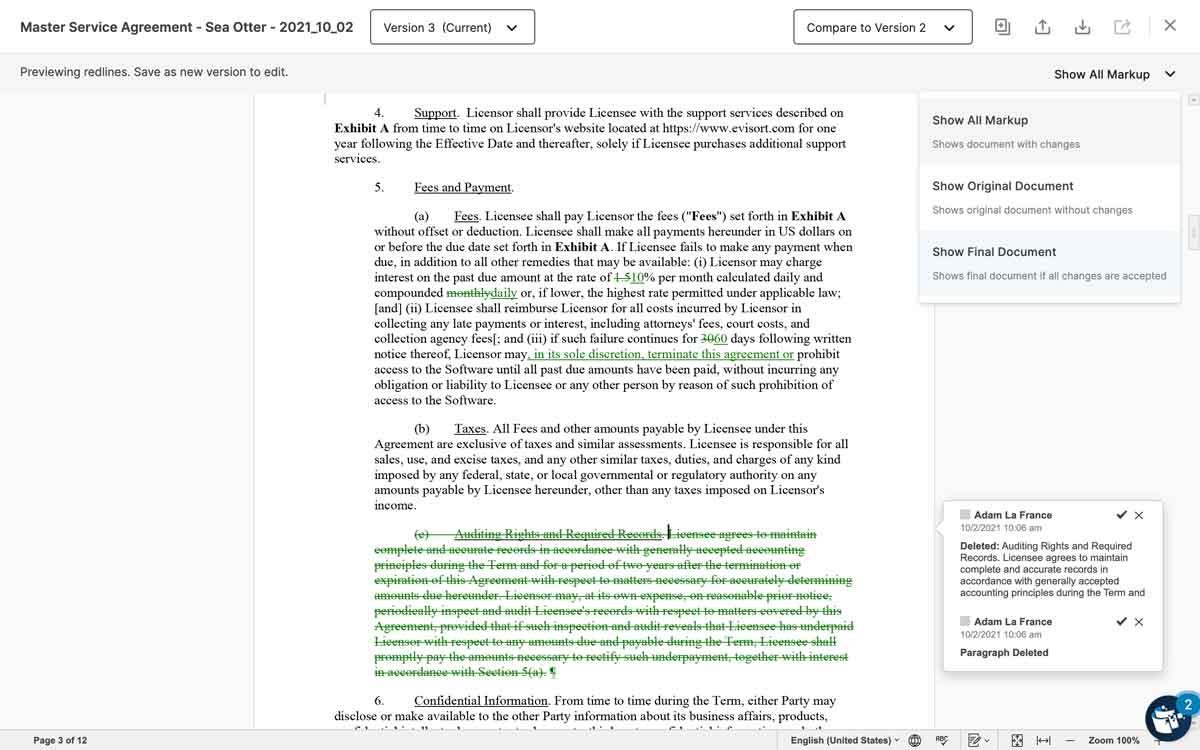
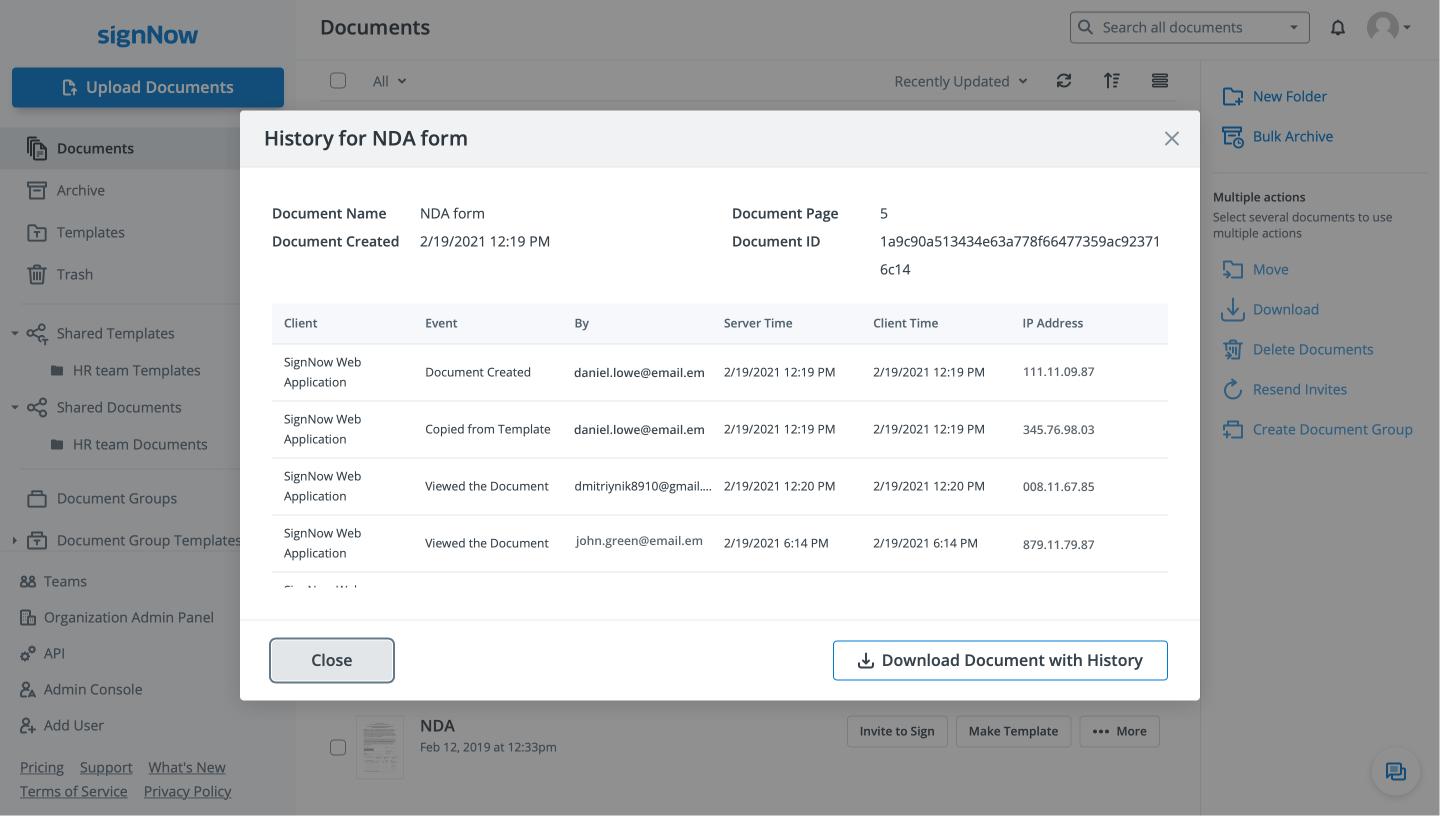
A platform such as signNow provides document tracking and audit trails, allowing organizations to maintain greater oversight of signing activity. This can make contract administration more predictable without requiring employees to manually track every step.
Building a More Consistent Contract Workflow
A useful contract workflow starts before a document reaches the signer. Organizations should first determine who prepares the agreement, who reviews it, who must sign it, and where the completed version should be maintained.
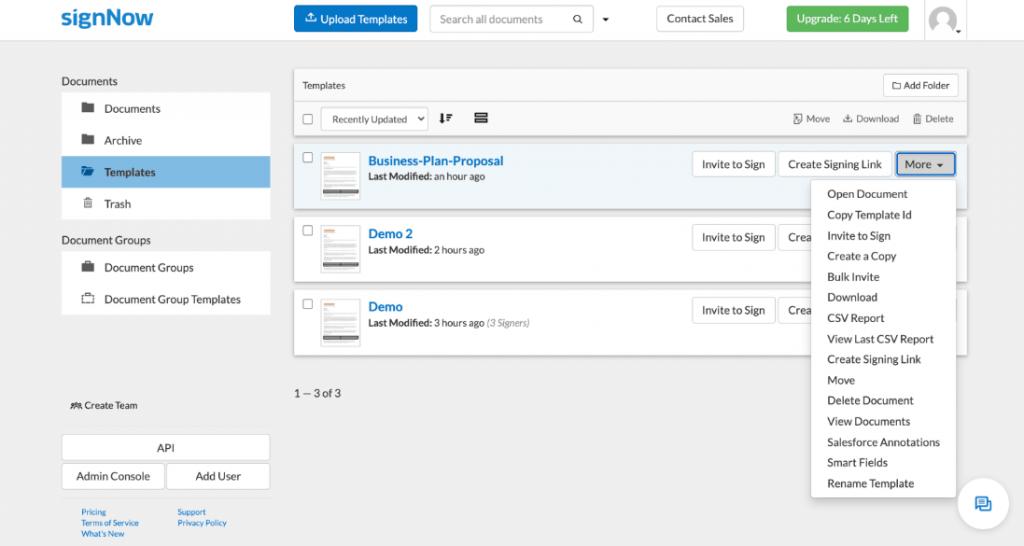
Templates can help with consistency. Instead of repeatedly creating common agreements from scratch, teams can use standardized documents and fillable fields for information that changes from one contract to another. This reduces unnecessary administrative work and can help employees follow an established process.
Once the document is ready, it can be sent for signature electronically. Depending on the workflow, several people may need to sign or complete different portions of the document. Establishing these responsibilities in advance helps reduce uncertainty.
The final stage is recordkeeping. Completed contracts should remain accessible to authorized employees so they can be reviewed when questions arise. Audit trails can also provide a record of document activity, which is useful when organizations need to understand what happened during the signing process.
Practical Example: HR Onboarding
Consider an HR department onboarding a new employee. The process may involve an employment agreement, policy acknowledgments, benefit-related documents, and other forms.
Instead of printing documents and waiting for physical signatures, HR can prepare electronic documents and send them for signature. Employees can complete required fields and apply their electronic signatures remotely. HR can then monitor the status of outstanding documents and maintain completed agreements digitally.
The benefit is not simply eliminating paper. The larger advantage is creating a repeatable process that HR staff can apply to each new employee while maintaining better visibility into which documents are complete.
Contract Management Across Different Departments
Contract workflows are not limited to one business function. Different departments can use similar principles while adapting the process to their own requirements.
Sales and Customer Agreements
Sales teams often need contracts completed without unnecessary administrative delays. A digital workflow can help sales representatives send agreements electronically, monitor signing progress, and maintain a record of completed documents.
For example, a sales representative might prepare a customer agreement using a standardized template. After internal approval, the document can be sent for signature. If the customer has not completed it, the team can identify the outstanding step rather than repeatedly searching email threads.
Legal and Compliance Workflows
Legal teams can benefit from consistent document handling and auditability. Contracts may pass through several internal stakeholders before reaching an external signer, making version control and visibility particularly important.
Electronic signing does not replace legal review. Instead, it can make the administrative part of the process more organized. A legal team can review the appropriate version before it is sent, while an audit trail can preserve information about document activity.
Healthcare and Sensitive Documents
Healthcare organizations frequently handle documents containing sensitive information. Any digital workflow used in such an environment needs appropriate security and compliance considerations.
According to the provided signNow facts, the platform supports HIPAA when a Business Associate Agreement (BAA) is required. Its listed compliance standards also include SOC 2 Type II, GDPR, 21 CFR Part 11, PCI DSS, ISO 27001, CCPA, and eIDAS.
Organizations should still evaluate their own legal, regulatory, and operational requirements before selecting or configuring a contract workflow.
Security and Auditability in Electronic Contracts
Security becomes increasingly important when contracts are handled electronically because agreements may contain financial, employment, customer, or other confidential information.
The verified signNow security information provided for this article includes TLS 1.2/1.3 for data in transit and AES-256 encryption for data at rest. The platform also provides audit trails and two-factor authentication.
An audit trail is especially relevant to contract administration because it can help organizations understand activity associated with a document. Rather than relying entirely on email records or employee recollection, teams can use the available document history when reviewing a completed agreement.
Two-factor authentication can add another layer of account security. For businesses managing contracts electronically, security should be considered alongside usability: a workflow needs to be practical enough for employees and external signers while still protecting business documents.
Why Templates Can Reduce Repetitive Work
Many organizations use recurring contract types. Employment agreements, vendor agreements, sales documents, and other standardized paperwork may follow similar structures each time.
Creating a template for recurring documents can reduce repetitive preparation. Instead of rebuilding a document every time, employees can start from an approved structure and fill in the information that changes.
This can also make internal processes easier to train. New employees can learn a defined workflow rather than relying on individual methods for preparing and sending agreements.
The goal is not to remove human review. Contracts can still require judgment, negotiation, and approval. Templates simply handle the repetitive document preparation that does not necessarily need to be recreated for every transaction.
Measuring the Business Impact of Digital Contract Workflows
The value of contract management can be measured through operational outcomes. Employees may spend less time searching for documents, following up on signatures, or manually moving paperwork between departments.
The verified figures supplied for signNow report an average 700% first-year ROI, savings of up to six hours per week per employee, and an 80% document completion rate. These figures should be understood as reported signNow outcomes rather than universal results for every organization.
For a business evaluating its own workflow, it is useful to establish baseline measurements before changing processes. Teams might record how long contracts currently take to complete, how many follow-ups are typically required, and how much administrative time employees spend handling documents.
After implementing a digital workflow, the same measurements can be compared. This provides a more meaningful assessment than relying solely on general productivity claims.
Pricing and Scalability Considerations
Cost is another factor when evaluating contract management software. According to the supplied signNow information, its Business plan starts at $8 per user per month when billed annually. Paid plans include unlimited users, and there is no envelope cap.
The absence of an envelope cap can be relevant for organizations that handle large numbers of documents. Businesses should nevertheless evaluate which plan and capabilities match their actual workflow requirements rather than choosing a system based only on the starting price.
A growing company may also need to consider whether its contract processes can remain consistent as more employees, customers, and departments become involved. A digital workflow should make expansion manageable rather than introduce additional administrative complexity.
What a Good Contract Management Process Looks Like
A practical process does not need to be complicated. It should clearly define the stages a contract passes through and the people responsible for each stage.
A typical workflow may look like this:
- Prepare the agreement using an approved document or template.
- Review the document internally when required.
- Send the contract for signature to the appropriate recipients.
- Monitor document progress and outstanding signatures.
- Complete the electronic signing process.
- Maintain the completed agreement and its audit history.
- Make the document available to authorized personnel when it is needed later.
The exact process will differ between businesses. A legal department may require more review steps than a small sales team, while healthcare organizations may have additional compliance considerations.
The important principle is consistency. When everyone understands how contracts move through the organization, fewer tasks depend on informal reminders or individual employee habits.
Final Considerations
Digital contract management is ultimately about creating a more organized way to handle agreements. Electronic signatures are one part of that process, but effective workflows also depend on preparation, clear responsibilities, document tracking, security, and reliable recordkeeping.
For organizations using electronic documents across sales, HR, legal, healthcare, finance, or other departments, a structured workflow can reduce repetitive administrative work while improving visibility into document status. signNow’s verified capabilities—including eSignature workflows, audit trails, security controls, and its listed compliance standards—can support organizations that want to move contract processes away from fragmented paper and email-based handling.
The most effective approach is to start with a specific workflow, identify its bottlenecks, and then establish a digital process that addresses those problems without adding unnecessary complexity.
Frequently Asked Questions
What is contract management?
Contract management is the process of preparing, reviewing, sending, signing, tracking, and maintaining business agreements. A digital contract management workflow organizes these activities electronically, making it easier for teams to monitor documents, identify outstanding steps, and maintain completed agreements for future reference.
Why use electronic signatures for contracts?
Electronic signatures allow contracts to be completed digitally instead of requiring physical printing and signing. They can make remote signing more practical and help organizations monitor document progress. Electronic signing is particularly useful when customers, employees, vendors, or business partners are located in different places.
How can contract management help HR teams?
HR teams can use digital contract workflows for recurring documents such as employment agreements and onboarding paperwork. Electronic documents can be prepared, sent for signature, and monitored without relying on physical paperwork. A structured workflow also helps HR identify which documents remain incomplete during the onboarding process.
Are electronic contracts secure?
Security depends on the platform and how an organization configures and uses it. The verified signNow security information supplied for this article includes TLS 1.2/1.3 for data in transit, AES-256 for data at rest, audit trails, and two-factor authentication. Organizations should also assess their own security requirements.
Does signNow support compliance requirements?
The supplied signNow information lists ESIGN, UETA, HIPAA with a BAA required, SOC 2 Type II, GDPR, 21 CFR Part 11, PCI DSS, ISO 27001, CCPA, and eIDAS among its compliance standards. Businesses should determine which requirements apply to their specific contracts, industry, and operations.
How can businesses improve their contract workflow?
Businesses can start by identifying where contracts currently experience delays, such as document preparation, approvals, signature collection, or recordkeeping. Standardized templates, defined responsibilities, electronic signing, document tracking, and audit trails can then be incorporated into a consistent workflow.