
Introduction
Parenting styles play a crucial role in shaping a child’s behavior and overall development. Different approaches to parenting influence how children interact with others, respond to challenges, and develop emotional and social skills. Understanding the various parenting styles and their implications on child behavior is essential for fostering healthy child development.
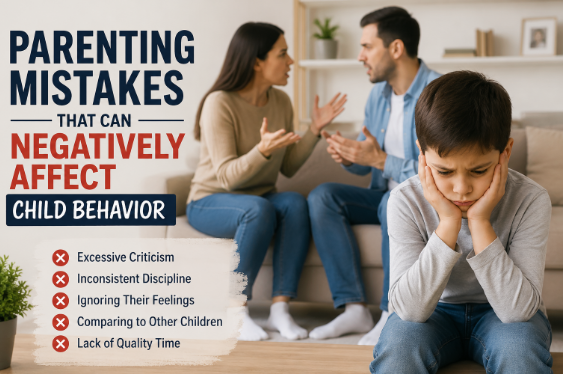
While many parents aim to provide a supportive and nurturing environment, certain common mistakes can detrimentally affect a child’s behavior and developmental trajectory. For instance, overindulgence, lack of boundaries, and inconsistent discipline can create confusion for children, leading to behavioral issues such as defiance, anxiety, or trouble with peer relationships. Such negative outcomes highlight the importance of reflective parenting, where caregivers critically assess their practices and the potential impact on their children.
In this blog post, we will explore various parenting mistakes that can impact child behavior, delving into the relationship between parenting practices and child outcomes. By shedding light on these missteps, our goal is to help parents recognize and rectify potentially harmful behaviors, ultimately promoting a more positive developmental environment for their children. It is crucial for caregivers to understand that while mistakes are a part of the parenting journey, being aware of their influence on child behavior can facilitate healthier outcomes and improve the overall parent-child dynamic.
Overindulgence: The Pitfalls of Too Much Love
Overindulgence in parenting often manifests as an excessive display of affection or an eagerness to fulfill a child’s every wish. While love and care are fundamental elements of child-rearing, when taken to an extreme, they can lead to detrimental outcomes. Offering children everything they desire without limits can cultivate a sense of entitlement, wherein they come to expect immediate gratification and struggle to appreciate the concept of delayed rewards.
This permissive approach can inhibit the development of resilience in children. Resilience, the ability to bounce back from challenges and navigate adversity, is vital for success and well-being throughout life. Children who are consistently overindulged may falter when faced with obstacles, as they have not learned to cope with disappointment or engage in problem-solving. This lack of experience with adversity and frustration can result in anxiety and increased difficulty managing life’s various challenges.
Moreover, children raised in an overindulgent environment may struggle with interpersonal relationships as they transition into adulthood. They may expect others to cater to their needs and find it challenging to build collaborative partnerships due to a skewed perception of give-and-take in relationships. Setting appropriate limits allows children to understand boundaries and foster a sense of accountability for their actions, reinforcing the significance of hard work and persistence.
Ultimately, achieving a balance between unconditional love and reasonable expectations is crucial. Providing children with affection does not preclude the necessity to instill values like gratitude and discipline. By incorporating guidance and constructive discipline within a nurturing upbringing, parents can ensure that their children develop into well-rounded individuals, capable of navigating the complexities of life with resilience and empathy.
Inconsistency: The Impact of Mixed Signals
Inconsistent parenting, characterized by fluctuating rules and expectations, can significantly impact a child’s behavior and emotional well-being. When parents send mixed signals—where one day a behavior is punished, while on another it is overlooked—children can become bewildered and anxious. This inconsistency creates an environment of uncertainty, making it challenging for children to develop a clear understanding of acceptable behaviors.
One of the primary consequences of inconsistent parenting is the emergence of insecurity in children. Insecure children often struggle to form healthy relationships and find it difficult to trust the adults in their lives. They may question whether their parents genuinely support them or if their affection is conditional, leading to a lack of openness and communication. Moreover, feelings of confusion can cause children to act out, as they may not know how to respond appropriately in various situations.
Additionally, this erratic approach to discipline can foster behavioral issues such as defiance, anxiety, and low self-esteem. A child who is unsure of where the boundaries lie may test limits aggressively, leading to conflict within the family. Academic performance and social interactions may equally suffer as the child grapples with navigating expectations that seem to change unpredictably. Consequently, a pattern of inconsistency in parenting can spiral into a cycle of negative behaviors and strained family interactions, ultimately affecting the child’s developmental trajectory.
To mitigate these issues, it is essential for parents to establish and maintain consistent rules, reinforced with clear communication. By providing a stable environment with defined expectations, parents can foster a sense of security and trust, allowing their children to thrive emotionally and behaviorally.
Criticism vs. Praise: The Unhealthy Balance
In the complex realm of parenting, striking the right balance between criticism and praise is essential for fostering healthy child development. Excessive criticism can have detrimental effects on a child’s self-esteem and overall behavior. When children are consistently exposed to negative feedback, they can begin to internalize feelings of inadequacy and fear of failure. This discouragement not only affects their confidence but can also inhibit their willingness to try new things or take on challenges.
Research indicates that children subjected to high levels of criticism are more likely to develop anxiety and feelings of worthlessness. These negative emotions can manifest in disconnection from social situations, reluctance to participate in group activities, and academic struggles. As a result, the child’s perception of themselves may become skewed, leading to a cyclical pattern of poor self-image influenced by relentless deciphering of their actions or decisions.
Conversely, the lack of praise and positive reinforcement can also have adverse effects. A parenting approach that neglects to acknowledge a child’s efforts and achievements may result in a lack of motivation. Children thrive on validation and encouragement; when these elements are missing, they may struggle to develop a sense of purpose and determination. This absence can lead to underachievement, as children may not feel compelled to exert effort towards their goals without any form of recognition.
In conclusion, achieving a healthy balance between criticism and praise is paramount for nurturing children into confident, motivated individuals. A strategic approach that incorporates constructive feedback alongside heartfelt praise will not only enhance their self-esteem but also promote resilience in facing challenges. As caregivers, it is crucial to be aware of how our words influence our children’s emotional and behavioral outcomes.
Neglect: Understanding Emotional Absenteeism
Neglect is a profound issue that directly affects a child’s behavioral development, encompassing both emotional and physical elements. Emotional neglect occurs when a child’s need for emotional support, affection, and validation is consistently unmet. In such cases, caregivers may fail to engage in meaningful conversations, provide comfort, or express love, which are essential for a child’s emotional well-being. Over time, this lack of emotional presence can create a void, leading children to develop feelings of worthlessness and inadequacy. These feelings can be detrimental, hindering their self-esteem and overall mental health.
Furthermore, physical neglect, such as inadequate supervision, failure to provide basic needs like food or shelter, or not addressing health concerns, can exacerbate the situation. Children might perceive that their fundamental needs are not important, which can lead to a distorted understanding of relationships. They may internalize neglect as a message that they do not matter, causing long-term emotional and behavior problems.
Consequently, children who experience neglect may struggle with social interactions. The absence of consistent emotional support results in an inability to form secure attachments, often leading to difficulties in trusting others and managing relationships. Such children might display behavioral issues, such as aggression or withdrawal, as they have not learned how to navigate social constructs effectively. Therefore, recognizing and addressing the aspects of neglect is crucial for fostering a nurturing environment that promotes healthy emotional and behavioral development. Investing time in building a supportive relationship can significantly alter a child’s future, enabling them to flourish in social settings. Parents and caregivers must be vigilant about their emotional availability, as it plays a fundamental role in shaping their children’s behaviors and overall happiness.
Lack of Boundaries: When Freedom Becomes Chaotic
Effective parenting often hinges on the establishment of clear and consistent boundaries for children. When parents fail to set these parameters, the resulting chaos can lead to significant behavioral issues in children. A lack of structure can foster an environment where children feel insecure, as they have no guidelines to help them navigate their world. This uncertainty may manifest itself in various ways, including anxiety, defiance, and rebellious behavior.
Boundaries serve not only as a framework for acceptable behavior but also as a means of safety. Children thrive when they understand the limits imposed on their actions; this knowledge provides them with a sense of security and stability. When these limits are absent, children may act out impulsively, demonstrating a lack of respect for authority or communal norms. Additionally, the feelings of confusion and unpredictability can lead to frustration and resentment, further exacerbating behavioral issues.
Moreover, a child raised without boundaries may struggle in social settings. They may exhibit difficulty in understanding social cues or respecting others’ personal space, as they have not been taught the importance of rules and respect in relationships. As a result, they may find it challenging to develop friendships or maintain appropriate interactions with peers and adults.
Establishing boundaries is not about restricting a child’s freedom; rather, it is about providing them with the tools they need to navigate their environment responsibly. Clear guidelines help children understand the consequences of their actions, fostering a sense of accountability that is crucial for their development. Therefore, it is imperative for parents to recognize the importance of boundaries in shaping their children’s behavior and ensuring their emotional and social well-being.
Modeling Poor Behavior: Children Learn from Example
In the realm of parenting, one fundamental truth remains evident: children often learn more from what they observe in their parents than from what they are explicitly taught. This concept highlights the significance of parental behavior as a model for their children. When parents exhibit negative behaviors—such as anger, dishonesty, or disrespect—these actions can leave a profound impression on young minds, shaping their belief systems and influencing their actions.
For instance, if a parent frequently resorts to yelling as a means of resolving conflict, a child may internalize this approach and emulate it during their own disputes. Such modeling of poor behavior can cascade into various aspects of a child’s life, potentially leading to difficulties in peer interactions, educational settings, and later relationships. Similarly, dishonesty can be equally damaging; children who witness their parents bending the truth may perceive this behavior as acceptable, thereby developing a distorted sense of ethics.
Moreover, disrespectful interactions, whether toward peers or authority figures, can normalize a lack of courtesy and empathy in children’s behavior. When parents demonstrate a lack of respect, they inadvertently teach their children to mirror this demeanor, which can result in strained social interactions and hindered emotional development. It is crucial to understand that children are highly impressionable; they absorb the actions and responses they observe in their home environment and often emulate these in their daily lives.
The cycle of modeling negative behavior can perpetuate across generations. Therefore, recognizing the profound influence parental behavior has on children is paramount for fostering positive development. By committing to demonstrate positive behaviors and attitudes, parents can significantly shape the values and behaviors of their children, ultimately guiding them toward healthier interactions and a more respectful understanding of the world around them.
Failing to Listen: The Importance of Open Communication
Open communication is vital in fostering a healthy relationship between parents and their children. When parents neglect to listen to their children, it can create a rift that not only diminishes a child’s trust but also affects their emotional and behavioral development. Children are often attuned to their surroundings and the feelings expressed by those close to them. If they perceive that their thoughts and feelings are overlooked or dismissed, it may lead to feelings of isolation, resentment, and frustration.
Ignoring a child’s perspective can have serious consequences. It may result in the child feeling undervalued, which could manifest in behavioral issues such as defiance, withdrawal, or aggression. These behaviors may serve as a cry for attention or validation, indicating that the child feels unheard. Moreover, when children experience repeated instances of being interrupted or talked over, they may begin to mirror this behavior, leading to communication problems in their relationships with peers.
To cultivate a positive environment, it is imperative for parents to actively listen and engage with their children. This can involve asking open-ended questions that encourage children to express themselves fully. By doing so, parents not only demonstrate that they value their child’s input but also teach essential skills in communication and empathy. Encouraging children to articulate their feelings and opinions can pave the way for better understanding and stronger connections.
Furthermore, fostering open communication is essential in preventing misunderstandings that can escalate into conflicts. When children feel safe to share their thoughts, they are more likely to open up about their concerns and difficulties. This level of trust facilitates problem-solving and helps children develop better coping mechanisms as they navigate life’s challenges. Therefore, recognizing the significance of listening is key in promoting a child’s overall emotional well-being, leading to improved behavior and healthier relationships.
Conclusion and Solutions: Learning from Mistakes
Throughout this blog post, we have identified several parenting mistakes that can adversely affect child behavior. These include inconsistent discipline, lack of emotional support, and ineffective communication. It becomes evident that parenting is an evolving process, where learning from mistakes is crucial for child development and family dynamics.
To foster positive behavior in children, parents are encouraged to implement several constructive solutions. Firstly, maintaining consistency in discipline can create a stable environment for children, thus promoting better understanding of boundaries and expectations. Parents should also ensure that they are providing emotional support, as this fosters a nurturing environment where children feel safe to express themselves. Additionally, focusing on effective communication, whereby parents actively listen and engage with their children, is essential for building trust and understanding.
Self-reflection is particularly valuable in the parenting journey. Parents should take time to evaluate their own behaviors and the impact these might have on their children. Engaging in discussions with other parents or seeking guidance from parenting workshops can also be beneficial. Furthermore, making adjustments in parenting styles, when necessary, allows for growth and improved relationships within the family.
Ultimately, the key to achieving positive child behavior lies in recognizing and addressing missteps. Parenting is not an exact science, and mistakes can serve as vital learning experiences. By reflecting on their actions and implementing the solutions provided, parents can create a more effective, compassionate, and understanding environment for their children. Continuous improvement in parenting practices is essential for nurturing well-adjusted, happy children.