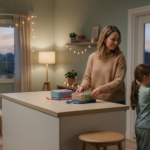

Understanding the Importance of Preparing Your Home
Preparing your home for a newborn is a significant undertaking that encompasses both emotional and practical aspects. As expectant parents anticipate the arrival of their baby, creating a nurturing and safe environment becomes a paramount concern. The process of preparing your home allows parents to focus on the essential elements needed to foster a comforting atmosphere, making the transition into parenthood more manageable.
On an emotional level, establishing a well-prepared nursery and living space can provide a sense of security. It cultivates a stable environment where parents feel confident in their ability to care for their newborn. Furthermore, engaging in preparations such as decorating the nursery and organizing essential baby items can instill excitement and anticipation, helping to ease pre-baby jitters. This emotional readiness is vital not only for the parents but also for the baby, as a harmonious home environment can contribute to the overall well-being of the newborn.
Practically speaking, enhancing the safety and comfort of your home is crucial for both the infant and caregivers. This includes baby-proofing areas where the child will roam, ensuring that furniture is anchored, and sharp edges are mitigated. Additionally, preparing a comfortable space for parents to rest and bond with their newborn can alleviate stress, allowing them to focus on creating a loving atmosphere. It is also vital to ensure that all necessary supplies, from diapers to baby monitors, are easily accessible to minimize last-minute scrambles.
In summary, the importance of preparing your home cannot be overstated. By taking the time to create a nurturing environment, parents enhance their readiness for their new responsibilities, fostering an encouraging space that supports both their emotional needs and the safety of their newborn.
Creating a Safe Sleeping Environment
Ensuring a safe sleeping environment for your newborn is paramount for their well-being and is a responsibility that all parents must take seriously. The first step involves choosing a crib that meets current safety standards. Cribs should be certified by the Consumer Product Safety Commission (CPSC) and conform to the latest guidelines to prevent any risks associated with falling or suffocation. It is advisable to avoid cribs with drop sides, as these can pose significant dangers to infants.
The type of bedding used in your baby’s sleeping area is equally important. Soft bedding, including pillows, blankets, and bumper pads, should be strictly avoided, as they significantly increase the risk of sudden infant death syndrome (SIDS). Instead, opt for a fitted sheet made specifically for cribs, which will keep the mattress covered without loose fabric that could obstruct the baby’s breathing.
Maintaining an appropriate room temperature is essential. The ideal sleeping environment should be comfortably cool, typically maintained between 68°F to 72°F (20°C to 22°C). Overheating can contribute to SIDS, so dress your baby in light clothing, such as a onesie or a sleep sack, instead of using heavy blankets. Always ensure the crib is positioned away from windows and heating vents to minimize the risk of direct drafts or excessive warmth.
Correct sleep positioning is critical; place your baby on their back for all sleep times, including naps. This practice significantly reduces the risk of SIDS, making it one of the most critical recommendations for parents. Furthermore, the sleeping area should be devoid of any potential hazards, including cords, toys, or other items that could obstruct airflow or lead to suffocation. By following these guidelines diligently, parents can create a safe sleeping environment that promotes healthy sleep practices for their newborns.
Gathering Essential Baby Gear and Supplies
When preparing for the arrival of a newborn, parents must focus on gathering essential baby gear and supplies to ensure a smooth transition into parenthood. These items can be categorized into several key areas: feeding, diapering, clothing, and bathing supplies.
Starting with feeding essentials, parents should invest in bottles, breast pumps, and bibs. Bottles enable flexibility in feeding methods, while a breast pump is crucial for mothers who wish to express milk. It is also advisable to have formula on hand, in case of feeding challenges. Each of these items plays a vital role in establishing a successful feeding routine, supporting both the infant and the mother’s needs.
Diapering is another critical category. Parents will need an ample supply of diapers, baby wipes, and changing mats to ensure their baby’s hygiene and comfort. Choosing the right diapers, whether disposable or cloth, impacts not only the baby’s skin but also convenience for the parents. Changing mats provide clean surfaces for quick changes, while wipes are essential for maintaining cleanliness and preventing diaper rash.
When it comes to clothing, onesies, swaddles, and socks are must-have items for any newborn. Onesies are practical due to their ease of dressing and undressing, while swaddles help in providing comfort and security for the baby. Wearing socks keeps the infant’s feet warm, which is crucial in maintaining their body temperature. Prioritizing clothing that is easy to put on, take off, and wash can save time and effort during those early days.
Bathing supplies, such as baby shampoo, washcloths, and a soft sponge, complete the essential list. A gentle baby shampoo is important to ensure the infant’s sensitive skin is cared for safely. Being prepared with the right supplies not only enhances the care provided to the newborn but also contributes to peace of mind for the parents.
Baby-Proofing Your Home
Baby-proofing is an essential process that ensures your home is a safe environment for your newborn. As your baby begins to explore their surroundings, the risk of injury increases, making it vital to take preventative measures. A well-structured baby-proofing plan not only protects your infant from potential hazards but also instills peace of mind for parents, allowing them to focus on nurturing their baby.
Here is a detailed checklist of areas in your home that require securing:
- Furniture Safety: Anchor heavy furniture such as bookshelves and dressers to the wall to prevent tipping. Use corner guards on sharp edges of coffee tables and countertops to mitigate injury risks.
- Electrical Outlets: Install outlet covers or safety caps on all unused electrical outlets. This simple step can significantly reduce the risk of electric shocks, as newborns tend to explore with their hands.
- Hazardous Areas: Create barriers using safety gates to block off access to hazardous areas such as stairways and kitchens. Ensure that any gates used are securely mounted and comply with safety regulations.
- Cleaning Supplies: Store all cleaning agents, medications, and toxic substances in high cupboards or locked cabinets. Babies are naturally curious; thus, keeping these items out of reach is crucial for their safety.
- Choking Hazards: Regularly check for small objects that could present choking hazards, such as coins, batteries, and small toys. Keeping floors and low surfaces clear of such items helps maintain a safe exploration space for your newborn.
Creating a safe exploration space is vital in fostering your child’s development. It allows them to learn about their environment while minimizing risks. Ensuring that your home is baby-proofed can significantly contribute to the safety and well-being of your newborn.
Organizing the Baby’s Room
Preparing a baby’s room requires thoughtful planning and execution to ensure a serene and functional space. The initial step in this process is to consider the layout of the room. Aim for an arrangement that allows for easy movement, especially when holding the baby. Ideally, the crib should be the focal point and placed in a location that minimizes exposure to direct sunlight while also being easily visible from wherever you may place items like a changing table or rocking chair.
Storage solutions play a vital role in keeping the baby’s room organized and clutter-free. Opt for multifunctional furniture such as a changing table with drawers or a crib that comes with built-in storage. Utilize vertical space by installing shelves for books and toys. Baskets or fabric bins are effective for storing smaller items and can be tucked beneath a crib or placed on shelves. Labeling these containers can also enhance functionality, making it easy to locate necessary items quickly.
A well-organized baby’s room must ensure that frequently used items are easily accessible. This includes diapers, wipes, changing pads, and extra clothing. Create a dedicated changing area that incorporates all necessary essentials within arm’s reach, which can help make diaper changes quick and efficient. Additionally, consider establishing a nighttime routine by keeping a small basket of necessary items near the crib, such as pacifiers, burp cloths, and a blanket.
Finally, maintaining a clutter-free environment is essential not only for aesthetics but also for safety. Regularly assess the organization of the room, discarding or relocating items that no longer serve a purpose. Developing a sustainable room organization strategy will not only facilitate ease of access but also promote a calming atmosphere conducive to both relaxation and bonding between the baby and the parents.
Preparing Siblings and Pets for the New Arrival
Bringing a newborn home is a significant event for any family, and it is essential to ensure that older siblings and pets feel included and secure during this transition. Preparing siblings for the arrival of a new baby can help foster a sense of responsibility and excitement, while pets also require attention to keep them comfortable with the changes.
To prepare older siblings, begin by discussing the upcoming arrival of the baby in a way that is age-appropriate and engaging. Use books that depict families with new siblings to help them visualize the change. Encourage their involvement in preparations, such as selecting baby clothes, setting up the nursery, or even decorating the baby’s room. This participation can help siblings feel connected to the new family member and instill in them a sense of pride and anticipation.
Additionally, establish a routine that involves quality time with your older child, ensuring they do not feel neglected once the baby arrives. Consider designating specific times during the day for sibling bonding, where they can play or read together, reinforcing their importance in the family dynamic.
When it comes to pets, preparing them for the new arrival is equally significant. Begin by allowing the pet to get accustomed to the scents and sounds associated with babies. You might use baby lotions or play recordings of baby sounds to facilitate this adjustment gradually. Additionally, involving pets in the preparations, such as allowing them to explore the baby’s room, can make them feel less excluded.
Finally, once the newborn is home, supervise interactions between pets and siblings, ensuring that both parties feel secure and safe. Reinforce positive behavior through treats and praise, helping your pet adjust to their new role in the family. With these strategies, both older siblings and pets can welcome a new baby with open arms, fostering a harmonious household environment.
Establishing a Routine Before Baby Arrives
Preparing for the arrival of a newborn is an exciting yet challenging time for parents. One of the most beneficial steps before the baby arrives is to establish a routine. Having a flexible daily schedule helps parents manage their time more effectively, paving the way for a smoother transition into parenthood. A well-structured routine can ease anxiety and provide a sense of control in the midst of the significant changes that come with welcoming a new child.
Creating a daily routine involves designating specific times for essential activities such as feeding, diaper changes, and naptime, which can significantly streamline household tasks. Parents should also allocate time within this schedule for their personal needs, whether it’s a quiet moment for self-care or quality time spent bonding with their baby. For instance, integrating short periods of relaxation or leisure into the day can be invaluable for mental well-being.
Flexibility is key when establishing these routines. Newborns may have unpredictable schedules, so parents should be prepared to adapt their routines as necessary. This adaptability not only prepares parents for the fluctuations that come with a newborn’s needs but also allows for spontaneity and flexibility in family life.
Moreover, involving other family members in the routine can foster a supportive home environment. By sharing responsibilities, parents can lessen the burden of household tasks and cultivate a collaborative atmosphere that benefits everyone. This collaboration not only improves household management but also strengthens familial bonds, setting a positive tone for the new family dynamics with the arrival of the newborn.
Creating a Support System
Welcoming a newborn into your home can be both an exhilarating and challenging experience. Therefore, establishing a robust support system before the baby’s arrival is crucial. Such a network comprises family, friends, and professionals who can provide assistance, advice, and reassurance during the demands of early parenthood.
First, consider identifying family members and friends who can offer both emotional and practical support. Encourage open discussions with them regarding your expectations and needs during this period. Family can often provide hands-on assistance, such as meals, childcare, or running errands, which can ease the transition for new parents. Establishing a schedule or plan for visits can help manage their time and your comfort level, allowing for help while also maintaining your family’s space and privacy.
In addition to family and friends, consider reaching out to local parenting groups or community services focused on supporting new parents. Many organizations offer workshops, support groups, and resources tailored for families with newborns. These resources can help build a sense of community and provide you with additional avenues for support.
Furthermore, professionals such as pediatricians, lactation consultants, and childbirth educators can be invaluable in the early stages of parenthood. Their expertise can guide you through medical concerns or feeding issues, providing reassurance and peace of mind. Do not hesitate to reach out to these professionals prior to your baby’s arrival to establish rapport and trust.
Lastly, fostering an environment that encourages open communication with your partner about your needs and feelings is essential. Discuss responsibilities and expectations regarding childcare and household tasks. Effectively sharing these responsibilities helps ensure that both parents feel supported during this transition, ultimately leading to a healthier family dynamic.
Final Touches: Personalizing the Space
As expectant parents prepare their home for the arrival of a newborn, personalizing the space can significantly enhance the welcoming atmosphere. One of the first steps in creating a nurturing environment is to select a color scheme that resonates with warmth and tranquility. Soft pastels or earthy tones can instill a sense of calm that is beneficial not just for the baby but also for the parents during those early days and nights.
Incorporating personalized decorations can further emphasize the unique identity of the family. Consider framing ultrasound images or creating a gallery wall that includes family photos, cherished mementos, or artwork made by siblings. Such touches not only add character but also foster a sense of belonging within the home.
Comfort items play a crucial role in establishing a cozy nursery. Comforters or hand-knitted blankets can serve as soothing elements, creating a space where the baby can sleep securely. Adorning the crib with mobile toys can provide visual stimulation while also making the area visually appealing. Moreover, soft, plush rugs or textiles can enhance the comfort of the environment, allowing parents to interact with their newborn comfortably on the floor during playtime.
Creating a welcoming and nurturing environment involves thoughtful consideration of smells as well. Scented candles (however, be cautious of burning them around the baby) or essential oil diffusers can elevate the ambiance. Gentle, calming scents like lavender can promote relaxation and comfort, assisting in creating a serene setting for both baby and parents.
Ultimately, personal touches in decoration and comfort items can enhance the overall experience of welcoming a newborn. By thoughtfully curating the space, parents can ensure that their home is not just prepared physically but is also imbued with love and warmth, ready to embrace the newest member of their family.