
Introduction to Prenatal Massage
Prenatal massage is a specialized form of therapeutic touch designed for expecting mothers. This type of massage focuses on the unique needs and concerns that arise during pregnancy, providing relief from physical discomfort and promoting overall well-being. Unlike standard massage techniques, prenatal massage incorporates adaptations and methodologies that ensure the safety and comfort of both the mother and fetus.
The essence of prenatal massage lies in its targeted approach towards certain areas of the body that are particularly affected by the changes occurring throughout pregnancy. Commonly targeted areas include the lower back, hips, legs, and feet. These regions often experience significant tension and discomfort due to the increased weight and shifting body structure. The techniques used in prenatal massage vary from gentle stroking to deeper pressure, always aiming to alleviate discomfort while providing a relaxing experience.
Among the techniques employed, Swedish massage is frequently utilized due to its emphasis on gentle strokes, which can enhance circulation and reduce swelling. Additionally, specific positioning and cushioning are often implemented to ensure that the mother is comfortable and secure during the session. It is important for practitioners to have formal training in prenatal techniques to avoid any contraindications associated with pregnancy.
The rising popularity of prenatal massage among expecting mothers can be attributed to its numerous benefits. Many women report enhanced relaxation, reduced anxiety, improved sleep quality, and decreased pain levels following sessions. As awareness of the advantages of prenatal massage grows, more practitioners are integrating it into their service offerings, making it increasingly accessible to pregnant women seeking relief and comfort during their pregnancy journey.
Benefits of Prenatal Massage
Pregnancy brings about numerous physical and emotional changes, which can lead to stress and discomfort. Prenatal massage offers various benefits specifically tailored to address these challenges faced by expectant mothers. One of the primary benefits of prenatal massage is stress relief. This therapeutic approach helps to reduce cortisol levels while increasing serotonin, thereby promoting a sense of well-being. The calming effects of massage can also assist in alleviating anxiety, allowing mothers-to-be to enjoy their pregnancy experience more fully.
Another significant advantage of prenatal massage is the alleviation of physical discomforts commonly experienced during pregnancy, such as back pain and swelling. As the body adapts to accommodate the growing fetus, many women report experiencing backaches and joint discomfort. Targeted massage techniques can help manipulate the soft tissues of the muscles, providing relief from tension and stiffness. Furthermore, massage can enhance circulation, which is particularly beneficial in reducing swelling in the extremities, a common issue during pregnancy.
In addition to its physical benefits, prenatal massage also positively impacts emotional health. The nurturing touch associated with massage therapy can foster an improved mood and greater relaxation, contributing to an overall sense of balance during this transformative time. Moreover, studies suggest that prenatal massage may enhance sleep quality, alleviating insomnia or disrupted sleep patterns that many women face as their pregnancy progresses.
Overall, prenatal massage serves as an effective means of promoting both physical and emotional wellness. The integration of this therapy into a prenatal care routine can lead to a more enjoyable pregnancy experience, enhancing both maternal and fetal health.
Is Prenatal Massage Safe?
Prenatal massage has gained popularity as a therapeutic option for expectant mothers seeking relief from the physical and emotional strains of pregnancy. The question often arises regarding the safety of this practice. In general, prenatal massage is considered safe for most pregnant women, particularly when performed by a qualified practitioner who is trained in prenatal techniques.
However, there are crucial safety considerations to keep in mind. First and foremost, it is essential to consult with a healthcare provider prior to scheduling a massage. This ensures that there are no underlying health concerns or complications that might contraindicate this type of therapy. Common precautions include avoiding certain pressure points associated with inducing labor, particularly during the first trimester.
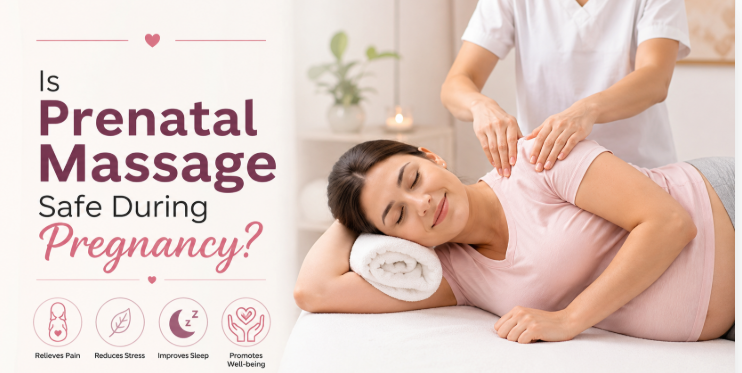
Each trimester presents its own unique considerations. In the first trimester, many healthcare professionals advise against massage due to the increased risk of miscarriage. During the second and third trimesters, prenatal massage can be particularly beneficial, helping to alleviate discomfort associated with the growing belly, swelling, and back pain. Notably, clients should lie on their side during these sessions to ensure comfort and safety as the pregnancy progresses.
Dispelling myths surrounding prenatal massage is also important. A common misconception is that massage can lead to premature labor; however, research indicates that when performed correctly, prenatal massage does not trigger labor. Furthermore, it may provide numerous benefits such as reduced anxiety, improved sleep quality, and relief from muscle tension.
In conclusion, prenatal massage can be a safe and beneficial practice for many pregnant women. By taking the necessary precautions and consulting healthcare professionals, expectant mothers can enjoy the positive effects of massage therapy while ensuring both their safety and that of their baby.
Recommended Techniques and Approaches
When it comes to prenatal massage, it is essential to implement specific techniques that promote safety and comfort for the mother and the developing baby. One of the key aspects of prenatal massage is selecting appropriate pressure points. Certain areas of the body, such as the lower back and hip area, can often hold tension during pregnancy; however, pressure should be applied thoughtfully, avoiding sensitive points that may stimulate contractions. Also, softer, rhythmical strokes are generally recommended to enhance relaxation.
Adjusting body positions during the massage is another important technique to ensure the mother’s comfort. Pregnant women may benefit from lying on their side or sitting up, supported by cushions which provide stability. This positioning not only alleviates pressure on the abdomen but also allows for better blood circulation. Massage therapists trained in prenatal care will often employ specially designed pillows to accommodate the growing belly and help the mother feel at ease.
Furthermore, the selection of oils or lotions plays a significant role in prenatal massage. It is advisable to use natural products, such as jojoba or almond oil, which are safe and effective for moisturizing and nourishing the skin. It is crucial to avoid any essential oils that may pose risks during pregnancy, such as those that could potentially induce contractions. Consulting a trained professional is imperative, as they will have the expertise to recommend safe products and techniques tailored to individual needs.
In conclusion, prenatal massage can be a beneficial therapy during pregnancy when performed with trained professionals who use safe techniques and appropriate materials. By focusing on the right pressure points, body positions, and suitable oils, pregnant women can enjoy a relaxing and safe massage experience.
Contraindications and Risks
While prenatal massage can provide numerous benefits, it is essential to be aware of certain contraindications that may affect its safety during pregnancy. First and foremost, individuals experiencing high-risk pregnancies due to conditions such as preeclampsia, gestational diabetes, or placenta previa should avoid massage therapy. These conditions can pose serious health risks for both the mother and the baby, necessitating extra caution.
Another situation that may warrant reconsideration of prenatal massage includes a history of premature labor. Women who have had preterm contractions or who are at risk of premature labor should consult with their healthcare provider prior to engaging in any massage therapy. Similarly, those who experience unexplained vaginal bleeding or severe abdominal pain should refrain from massage until a physician has provided appropriate guidance.
It is also important to be cautious in the presence of certain medical procedures or treatments. Pregnant women who have had recent surgery or those undergoing dietary restrictions need to consult with their doctor beforehand as these factors may influence the suitability and safety of prenatal massage. Additionally, conditions such as severe nausea or morning sickness can affect comfort levels during a massage session.
Lastly, mental health conditions such as anxiety or depression may also impact the prenatal massage experience. For women with high anxiety levels, for instance, the physical sensations induced by massage may exacerbate emotional stress. Thus, discussing any underlying psychological concerns with both a qualified massage therapist and a healthcare provider is advisable.
In conclusion, understanding the contraindications and risks associated with prenatal massage is crucial for ensuring a safe experience during pregnancy. Expectant mothers should always consult healthcare professionals prior to engaging in massage therapy to fully understand the implications based on their individual health conditions.
Finding a Qualified Prenatal Massage Therapist
When seeking a qualified prenatal massage therapist, it is crucial to ensure that they possess the necessary training and credentials to provide safe and effective treatment during pregnancy. Start by looking for therapists who specialize in prenatal massage; they should have received training and certification specifically in that area. Organizations like the Massage Therapy Association often have directories of licensed practitioners who meet established standards.
One of the first steps is to inquire about the therapist’s qualifications. Ask about their education background, which should include specialized training in prenatal massage techniques. Additionally, it is advisable to confirm their licensure and professional affiliations. A therapist who is a member of a reputable professional organization is likely to stay updated on best practices and guidelines pertinent to prenatal care.
Another important aspect to consider is the therapist’s experience. It is beneficial to choose someone who has a solid background working with pregnant clients. Inquire about the number of years they have been practicing and how frequently they work with pregnant women. This experience is essential because it can significantly impact the comfort and safety of your massage therapy sessions.
When scheduling an appointment, it can also be helpful to have a consultation beforehand. During this time, you can discuss your specific needs, ask any questions, and gauge their approach to prenatal massage. Always express any unique concerns you may have concerning your pregnancy, as a reputable therapist will tailor the session to accommodate those individual needs. Furthermore, pay attention to the therapy environment—safe and comfortable surroundings are essential for a pleasant experience.
What to Expect During a Prenatal Massage Session
Expecting mothers seeking solace and relief through prenatal massage may find the experience to be both soothing and beneficial. When arriving for a session, the setting is typically tranquil, adorned with calming colors and often accompanied by soft music or nature sounds to enhance relaxation. The space is designed to promote comfort, making the client feel safe and at ease.
The process usually begins with a brief consultation. The massage therapist will ask about the client’s specific needs, areas of tension, and any medical or pregnancy-related issues that may need attention. This discussion is crucial, as it allows the therapist to tailor the session to suit the individual’s requirements, ensuring safety and effectiveness. After the consultation, the client will be guided to a comfortable, fully adjustable massage table specially designed for pregnant women.
During the session, the therapist may use specially formulated oils and employ gentle techniques aimed at alleviating discomfort often associated with pregnancy, such as lower back pain, swelling, or tension in the shoulders. It is important for clients to communicate openly about their comfort levels and any sensations encountered during the massage. While many women find prenatal massages to be deeply relaxing, they may also experience temporary discomfort, particularly if areas of tension are being addressed. Clients should expect to feel rejuvenated, with a noticeable reduction in stress and muscle tightness by the session’s end.
Preparing for a prenatal massage is crucial; clients are encouraged to hydrate before the session, wear comfortable clothing, and approach the experience with an open mind. This preparation allows for a more enjoyable overall experience, enhancing the therapeutic benefits of the massage.
Client Testimonials and Experiences
Pregnant women often seek prenatal massage as a means of providing relief from the physical and emotional stresses associated with pregnancy. Many clients have shared their personal experiences and insights, highlighting the positive impacts of this therapeutic practice.
One client, Sarah, a mother of two, expressed her initial hesitation about undergoing prenatal massage. However, after her first session, she reported significant relief from lower back pain and improved overall relaxation. She commented, “It felt like a weight was lifted off my shoulders. The therapist was very respectful and attentive to my needs during the session, ensuring my comfort at all times.” Such testimonials reflect the importance of skilled practitioners in creating a safe environment for expectant mothers.
Another testimonial came from Jessica, who described her experience as transformative. “I was feeling anxious and overwhelmed, especially as my due date approached. The prenatal massage helped clear my mind. The gentle techniques they used were incredibly soothing. I left feeling rejuvenated and more connected to my baby,” she shared. This indicates that prenatal massage not only addresses physical discomfort but also enhances mental well-being during pregnancy.
Moreover, Mary, a first-time mom, revealed how the sessions helped her manage sleep disturbances often associated with pregnancy. “After each massage, I found it easier to drift off to sleep. It was as if my body had finally let go of all the tension it had been holding onto. I wish I had started sooner!” This demonstrates the potential of prenatal massage to improve sleep quality and relaxation.
Overall, these shared experiences underscore the value of prenatal massage in promoting physical comfort and mental serenity during pregnancy. Many women emphasize the importance of choosing a certified and experienced massage therapist, as their expertise can greatly enhance the effectiveness of the sessions, making prenatal massage a worthwhile consideration for expectant mothers.
Conclusion and Final Thoughts
In conclusion, prenatal massage can be a safe and beneficial practice for many expectant mothers when performed by a trained professional. Throughout this article, we have discussed the various advantages that prenatal massage offers, such as reducing stress, alleviating physical discomfort, and potentially improving sleep. It is essential to highlight that seeking a qualified therapist who specializes in prenatal techniques is crucial to ensure both mother and baby’s safety during this tender phase.
Moreover, prospective clients should feel empowered to communicate openly with their massage therapist about any concerns they may have regarding their pregnancy. The therapist should be well-versed in comfort measures and contraindications specific to prenatal care, which helps create a tranquil and accommodating environment. This open dialogue fosters trust and enhances the overall experience.
Pregnancy is a unique period marked by significant physical and emotional changes, and integrating prenatal massage into a woman’s wellness routine can provide much-needed relief and relaxation. Many mothers find it advantageous to incorporate this modality during their second and third trimesters when physical discomforts may escalate. Ultimately, the choice to pursue prenatal massage should be made individually, considering personal preferences and any medical advice provided by healthcare professionals.
We encourage readers to explore additional information about prenatal massage, its techniques, and the potential benefits. As part of a comprehensive approach to pregnancy wellness, prenatal massage can be a delightful and soothing experience, aiding mothers in embracing pregnancy with a sense of calm and connectedness.