
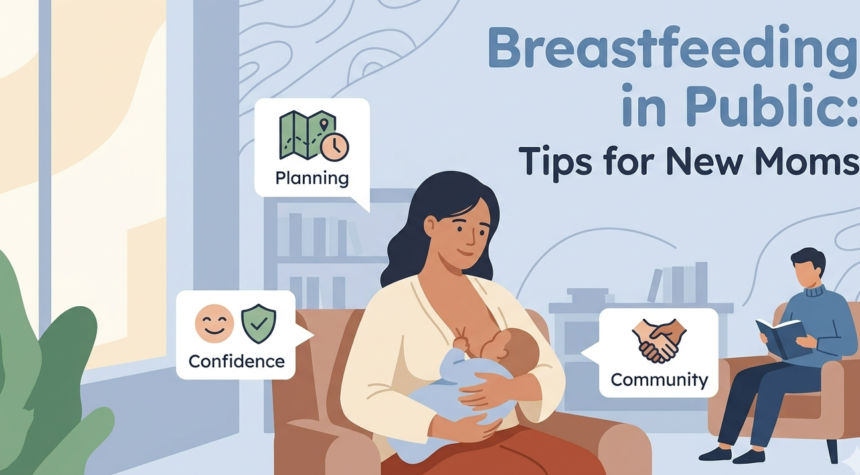
Understanding the Importance of Public Breastfeeding
Breastfeeding in public is not merely a matter of convenience for mothers; it plays a crucial role in promoting the well-being of both the infant and the mother. The act of breastfeeding provides essential nutrients and immunological benefits to the baby, fostering optimal health. This natural feeding method is particularly advantageous during the early months of life, when infants are most vulnerable to illnesses. Public breastfeeding ensures that mothers can nourish their babies whenever necessary, facilitating a healthy diet without compromise.
Moreover, breastfeeding contributes to enhanced bonding between a mother and her child. The physical closeness while nursing promotes emotional attachment, which is fundamental in the early stages of a child’s development. By breastfeeding in public, mothers reinforce that this bond can transcend various settings, emphasizing the normalcy of this intimate act in everyday life. As such, public breastfeeding serves as a reminder of the nurturing relationship inherent in maternal care, allowing mothers to express their love and attention to their infants whenever they are out and about.
Societal attitudes towards breastfeeding in public significantly influence a mother’s ability to nurse her child openly. Many cultures still harbor negative perceptions about breastfeeding in public, often viewing it as inappropriate or indecent. Such attitudes can deter new mothers from breastfeeding outside the privacy of their homes, consequently impacting their confidence and willingness to breastfeed. Public perception must shift to normalize breastfeeding as a natural and necessary act. By creating a supportive environment that encourages breastfeeding in public, communities can foster acceptance and understanding, ultimately benefiting mothers and their children.
Legal Protections for Breastfeeding Mothers
Breastfeeding in public is a fundamental right in many regions, and various federal and local laws exist to protect this right. In the United States, federal law under the Affordable Care Act ensures that breastfeeding mothers have the right to nurse their babies in public without facing discrimination. This law is part of a broader initiative to support breastfeeding, recognizing its importance for both infants and mothers.
Additionally, many states have enacted specific laws aimed at safeguarding the rights of breastfeeding mothers. These laws typically allow women to breastfeed in any location where they are permitted to be. Some states have also established explicit policies against harassment or intimidation of breastfeeding mothers in public spaces. For instance, places frequented by the public, such as parks, restaurants, and shopping centers, are generally included under these protections, providing a safe and supportive environment for mothers and their infants.
It is essential for new mothers to be aware of the specific laws in their area, as regulations can vary significantly from one state to another. Resources such as the National Conference of State Legislatures provide comprehensive information about state-specific laws. Additionally, local breastfeeding advocacy groups often offer assistance and resources for mothers who may face challenges while breastfeeding in public. Organizations such as La Leche League and the Breastfeeding Coalition can be invaluable for both legal advice and community support.
By understanding their rights, mothers can confidently nourish their babies in public without fear of judgment or legal repercussions. Advocacy for these rights is vital in fostering an inclusive society that supports the health and well-being of both mothers and infants.
Preparing for Public Breastfeeding
For new moms, breastfeeding in public can seem daunting, but with the right preparation, it can be a comfortable and positive experience. One of the first steps to ensure a smooth public breastfeeding experience is to choose appropriate attire. Opt for clothing that allows for easy access to the breast while maintaining modesty. Nursing tops, which typically have side openings or lift-up panels, are designed specifically for this purpose. Additionally, consider wearing layers that can be adjusted for temperature comfort while simultaneously allowing access to the nursing area.
When it comes to selecting nursing gear, invest in a quality nursing cover if you desire extra privacy. These come in various styles and materials, allowing you to choose one that suits your taste. Some covers have added features such as necklines that allow you to maintain eye contact with your baby, contributing to a more engaging feeding experience. Garments made from breathable fabric will help keep you and your baby comfortable, especially in warmer environments.
Having the right essentials on hand is crucial for successful public breastfeeding. A small, organized diaper bag can help house all necessary items, such as nursing pads, bottles, diapers, and wipes. You might also want to include a portable, comfortable folding chair, providing a supportive place to sit and breastfeed. This can be particularly useful in crowded venues where seating is limited. As you prepare for public breastfeeding outings, consider practicing at home with your chosen attire and gear. This practice can help build your confidence, making you feel more at ease in a public setting.
Finding Comfortable Locations to Breastfeed
Breastfeeding in public can seem daunting for new mothers, but with the right knowledge, it can also be a liberating experience. Identifying suitable locations to breastfeed is crucial for any nursing mother who desires to maintain comfort and privacy while attending to her baby’s needs. Fortunately, numerous family-friendly venues can serve as ideal spots for this essential task.
Parks are often at the top of the list when considering where to breastfeed in public. These outdoor spaces usually offer ample seating and shaded areas, making them both comfortable and relaxing for mothers and their infants. Additionally, the presence of other families can provide a sense of camaraderie and normalization around breastfeeding.
Malls and shopping centers are also practical options for nursing moms aiming for a more enclosed environment. Many modern malls include designated nursing rooms equipped with comfortable seating and privacy screens. These facilities often provide a soothing atmosphere, essential for both the mother and the baby. Furthermore, having access to restrooms nearby can enhance convenience.
Restaurants, particularly those known for being family-friendly, can be very accommodating toward breastfeeding mothers. Before visiting, it may be helpful to call ahead and ask about their breastfeeding policy or if they have designated areas that support a nursing-friendly environment. Some establishments even offer booths or corner seating that can provide added privacy.
Additionally, various community centers, libraries, and even certain workplaces have recognized the importance of accommodating new mothers. Their nursing rooms reflect a growing acknowledgment of the need for supportive spaces for breastfeeding in public. As new moms explore their options, seeking out these environments will help them feel more comfortable and confident in their breastfeeding journey.
Techniques for Discreet Breastfeeding
Breastfeeding in public can be a concern for many new mothers, particularly when it comes to maintaining privacy. However, several techniques can facilitate discreet breastfeeding while ensuring both you and your baby are comfortable. One effective approach is choosing the right breastfeeding positions. The cradle hold, where the baby is lying across your arm, allows for a natural cover with your body. Alternatively, the cross-body hold can provide more control and is often easier to adjust for privacy.
In addition to positioning, selecting appropriate clothing is crucial for discreet breastfeeding. Opt for nursing tops designed with convenient openings, which allow for easy access. Layers can also be beneficial; wearing a tank top under a regular shirt allows you to lift the outer layer while keeping your midsection covered. This layering technique not only provides coverage but also prevents significant exposure.
Nursing covers are another excellent option for maintaining privacy while breastfeeding in public. These covers come in various styles, including aprons and shawls. The right nursing cover should be lightweight and breathable, so your baby remains comfortable during feeding. Furthermore, look for covers that provide adequate coverage while also allowing you to maintain eye contact with your child, which can help soothe them during the feeding process.
Many mothers find it helpful to practice breastfeeding in front of a mirror at home before venturing out. This practice can help you gain confidence in your ability to nurse discreetly and explore different angles and techniques that work best for you. Remember that the ability to breastfeed comfortably in public often improves with experience, so be patient with yourself as you find the best methods and techniques for you and your baby.
Overcoming Common Challenges in Public Breastfeeding
For many new mothers, breastfeeding in public can present a unique set of challenges that may lead to feelings of anxiety or concern. One of the primary hurdles is the fear of negative comments or scrutiny from onlookers. It is important to remember that breastfeeding is a natural and necessary act for both mother and child, and societal attitudes towards public breastfeeding have evolved significantly over the years. With awareness campaigns and changing laws in many regions supporting breastfeeding rights, new mothers can find a growing culture of acceptance.
Another common challenge involves practical issues, particularly when it relates to finding a comfortable position that works in a public setting. To help alleviate this concern, mothers can practice breastfeeding in front of a mirror at home to determine and hone their preferred positions. Using a breastfeeding pillow can also provide additional support and comfort, regardless of the surroundings.
Additionally, some may face logistical challenges, such as ensuring they have enough supplies on hand or finding an appropriate environment to nurse. Carrying a lightweight cover-up can offer increased privacy and confidence while feeding. Mothers may also wish to scout out breastfeeding-friendly locations, such as family rooms in shopping centers or cafes that welcome nursing mothers. Utilizing apps that locate breastfeeding-friendly spaces can also streamline this process.
For those who experience anxiety about public breastfeeding, practicing mindfulness techniques can be beneficial. Deep breathing exercises or visualization can help bring calm in potentially stressful situations. Support from friends, family, or local breastfeeding groups can also empower mothers by fostering a sense of community. By facing these challenges with preparation and the right mindset, breastfeeding in public can become a more pleasant experience for new mothers and their little ones.
Breastfeeding Etiquette and Respect for Others
Breastfeeding in public often raises discussions surrounding etiquette, especially when it pertains to the comfort of those around the nursing mother. While it is essential to advocate for breastfeeding as a natural and healthy practice, demonstrating consideration for others can enhance the overall experience for both mothers and nearby individuals. Breastfeeding is a fundamental right of mothers to nourish their infants, but a balance must be achieved between this right and the comfort level of fellow patrons in shared spaces.
When a mother chooses to breastfeed in public, she can take several steps to maintain respect for her surroundings, including opting for quieter or less crowded locations when available. This consideration can ease any discomfort that others might feel regarding the display of nursing. Additionally, utilizing breastfeeding covers or shawls can provide privacy if it makes the mother feel more comfortable, while also potentially reducing the distraction for those nearby.
It is helpful to understand that not everyone may be accustomed to seeing public breastfeeding, and some may have personal or cultural reasons for feeling uneasy. Educating others about the importance of breastfeeding can be a gradual process that fosters wider acceptance and understanding. Engaging in conversations about breastfeeding—its health benefits and natural origins—can be beneficial in creating an environment where both mothers and the public feel respected and comfortable.
Ultimately, breastfeeding in public should highlight the need for mutual respect. Acknowledging the feelings of those around you while confidently asserting your rights as a breastfeeding mother can pave the way for a more accepting atmosphere. Encouraging a culture of open dialogue regarding breastfeeding practices can lead to better understanding and greater societal acceptance, making public spaces welcoming for nursing mothers and their infants.
Support and Building a Community
For new mothers, particularly those navigating the nuances of breastfeeding in public, finding a supportive community is essential. This sense of belonging can significantly enhance the confidence and comfort levels of breastfeeding mothers. By connecting with others who share similar experiences, moms can gain valuable insights and encouragement.
Local support groups often serve as wonderful resources. These groups, frequently facilitated by lactation consultants or health care professionals, provide a safe space for mothers to discuss their challenges, seek advice, and share tips on breastfeeding practices. In-person meetings foster relationships that can lead to lasting friendships and support networks, making the journey of motherhood feel less isolating.
In addition to local resources, online forums and social media platforms have become crucial for new mothers. Websites dedicated to parenting often host lively discussion boards where mothers can engage in conversations about breastfeeding and related topics. These forums allow for anonymity, making it easier for individuals to ask questions they may not feel comfortable discussing publicly. Furthermore, social media groups offer peer support and encouragement through shared experiences and testimonials, helping to normalize breastfeeding in various environments.
Whether through local meetups or online discussions, the importance of community cannot be overstated. Connecting with other breastfeeding mothers not only promotes sharing knowledge but also fosters a culture of acceptance and understanding, which can greatly alleviate any anxiety about breastfeeding in public. When mothers come together, they can reinforce each other’s confidence, ensuring that they feel empowered to breastfeed wherever necessary.
Embracing and Normalizing Public Breastfeeding
The act of breastfeeding in public can evoke mixed opinions and reactions, yet it remains a vital aspect of nurturing and sustaining the bond between mother and child. Embracing and normalizing public breastfeeding is essential not only for the well-being of nursing mothers but also for the ongoing conversation about lactation in society. As more women choose to breastfeed, the visibility of breastfeeding can help break down the stigma often associated with this natural act.
One significant way to foster a supportive environment is by sharing personal experiences and encouraging dialogue among peers. Mothers can open up discussions about their journeys with breastfeeding, the challenges they faced, and the triumphs they achieved. Sharing these stories not only provides encouragement to others who may feel uncertain but also highlights the normalcy of breastfeeding as part of everyday life.
Moreover, educating those around us—including family, friends, and the general public—about the importance and benefits of breastfeeding can play a crucial role in changing societal views. By addressing common misconceptions and emphasizing the health advantages for both mother and baby, we can cultivate understanding and support. As new mothers engage in public breastfeeding, they not only care for their infants but also challenge outdated perceptions.
To truly normalize breastfeeding in public, mothers must feel empowered to advocate for their rights. This includes familiarizing themselves with local laws regarding breastfeeding in public spaces and standing firm in their choices when faced with criticism. Ultimately, every action taken to embrace and normalize breastfeeding contributes to a more welcoming atmosphere for future breastfeeding mothers.
In conclusion, let us encourage all mothers to embrace public breastfeeding, share their stories, and educate others. Together, we can advocate for breastfeeding rights, promoting a culture that celebrates rather than stigmatizes nursing in public. By doing so, we help shape a future where every mother feels confident and supported in her choices.