Understanding Sushi: Types and Ingredients
Sushi, a popular dish originating from Japan, consists of vinegared rice combined with a variety of ingredients, including seafood, vegetables, and occasionally tropical fruits. While many people associate sushi with raw fish and seafood, there are numerous variations that cater to different preferences. The main types of sushi include nigiri, maki, temaki, and sashimi, each differing in form and presentation.
Nigiri is a hand-formed mound of rice topped with a slice of fish or seafood, showcasing the ingredients’ natural flavors. Maki, on the other hand, is rolled sushi typically wrapped in seaweed (nori) and cut into bite-sized pieces. Temaki, or hand rolls, are cone-shaped sushi filled with rice and various edibles, allowing for a more casual dinning experience. Sashimi is comprised solely of sliced raw fish served without rice, highlighting the quality of the seafood alone.
When it comes to ingredients, sushi offers an array of choices, ranging from fresh raw fish such as tuna, salmon, and mackerel to cooked options like shrimp, eel, or crab. Common fish used in sushi preparation encompass both white and oily varieties, which provide distinct taste experiences. For those who prefer to avoid seafood altogether, vegetarian sushi options are widely available, utilizing ingredients such as cucumber, avocado, and pickled vegetables to create flavorful combinations.
It is essential to differentiate between raw and cooked sushi, particularly for those who may have dietary restrictions or specific health concerns. Raw sushi is often celebrated for its taste and freshness, but it also carries risks due to potential bacterial contamination. In contrast, cooked sushi is generally considered safer for consumption and can be a delightful alternative for those wary of raw ingredients.
During pregnancy, women experience profound physical and hormonal changes, necessitating careful attention to nutrition and overall health. A well-balanced diet is critical for the development of the fetus, supporting essential growth and organ development. Importantly, nutritional needs often increase, requiring a focus on key vitamins and minerals, such as folic acid, iron, calcium, and DHA. Expectant mothers should strive for a diverse diet enriched with fruits, vegetables, whole grains, lean proteins, and healthy fats to ensure optimal health for themselves and their babies.
Food safety emerges as a significant concern during pregnancy. Women are advised to follow stringent hygiene practices regarding food preparation and consumption, as their immune systems are naturally suppressed during this period. Pathogens, often present in raw or undercooked foods, can pose serious health risks, potentially leading to complications such as miscarriage, preterm labor, or severe illness. Therefore, understanding which foods to avoid is critical.
Certain foods, like raw seafood, remain under scrutiny due to the high potential for harboring harmful bacteria and parasites. This concern is notably relevant when it comes to sushi consumption. While traditional sushi rolls frequently contain fish that may be safe for the general population, the same cannot be said for pregnant women. Raw fish can carry Listeria, Salmonella, and heightened mercury levels, all of which can adversely affect maternal and fetal health. Cooked sushi options, which utilize fully cooked fish or vegetables, may provide a safer alternative without sacrificing the sushi experience.
In light of these health considerations, pregnant women should consult healthcare professionals regarding their diets and any cravings for sushi. Focusing on safe eating practices and a nutrient-rich diet can greatly benefit maternal and fetal health during this critical time.
Risks of Consuming Raw Fish During Pregnancy
Pregnancy is a crucial time for health and nutrition, and consuming certain foods can pose risks to both the mother and the developing fetus. One of the primary concerns when it comes to dietary choices is the consumption of raw fish, often found in sushi rolls. Raw fish can harbor harmful bacteria, parasites, and toxins, which may lead to adverse health outcomes.
One significant risk associated with eating raw fish during pregnancy is exposure to bacteria such as Listeria and Salmonella. These harmful microorganisms can cause foodborne illnesses, which may lead to severe consequences for pregnant women, including dehydration, fever, and in more severe instances, miscarriage or premature labor. Furthermore, the developing fetus is particularly vulnerable to infections, which can result in neurological damage or even stillbirth.
Another concern is the potential for exposure to parasites, such as Anisakis, which can lead to anisakiasis, an infection that may manifest as severe gastrointestinal discomfort. Pregnant women experiencing such infections may face complications that could hinder their overall health and pregnancy. Additionally, some fish species, particularly larger fish, may contain elevated levels of mercury, a toxic substance detrimental to fetal brain development. High mercury exposure is linked to developmental delays and cognitive impairments in children.
Considering these risks, it is essential for pregnant women to carefully evaluate their dietary choices, particularly regarding raw fish consumption. The safest approach is to avoid raw or undercooked fish altogether and to choose fully cooked seafood options instead. Being informed about the potential dangers allows expectant mothers to make safer choices, promoting better health outcomes for both themselves and their babies.
Cooked Sushi: Is it Safe for Pregnant Women?
Sushi is traditionally associated with raw seafood; however, cooked sushi offers a delicious alternative that is generally considered safe for pregnant women. During pregnancy, there are specific dietary guidelines that expectant mothers are advised to follow, primarily to reduce the risk of foodborne illnesses and ensure the health of both the mother and the developing fetus. Cooked sushi rolls are a viable option as they eliminate the associated risks of consuming raw fish.
Cooked sushi often incorporates a variety of ingredients that are both safe and nutritious. Popular options include rolls filled with cooked shrimp, crab stick, or tempura vegetables. Ebi (cooked shrimp) and California rolls (which typically contain imitation crab) are particularly well-regarded for their safety during pregnancy. These choices not only satisfy cravings but also provide important nutrients such as protein, while minimizing the risk of exposure to parasites and bacteria typically found in raw fish.
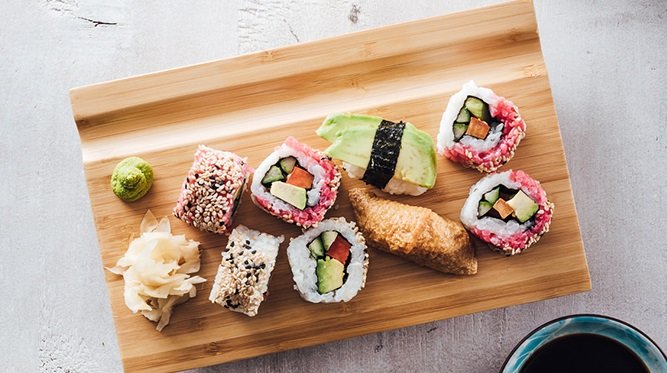
It’s important to pay attention to the quality and handling of the sushi. Choose reputable establishments that adhere to strict health regulations and use fresh ingredients. Additionally, cooked sushi can be made at home, allowing for better control over the ingredients and preparation methods. Ingredients like avocado, cucumber, and cooked proteins can be used to create delightful rolls that are safe to consume during pregnancy.
In summary, while raw sushi is not recommended for pregnant women, cooked sushi offers a safe and enjoyable alternative. By choosing carefully prepared cooked options, pregnant women can indulge in sushi while ensuring their dietary needs and safety requirements are met to support a healthy pregnancy.
Types of Sushi Safe for Pregnant Women
Pregnant women may worry about the safety of consuming sushi, primarily due to concerns surrounding raw seafood. However, there are several sushi options that are not only safe but also delicious for expectant mothers. These include vegetarian sushi rolls and sushi made with fully cooked seafood, which provide nutritious alternatives without the risks associated with raw fish.
One popular category is vegetarian sushi, which typically contains ingredients such as avocado, cucumber, and various types of vegetables. Rolls like the California roll, which often features imitation crab made from cooked fish, avocado, and cucumber, are also good options. These rolls provide a satisfying sushi experience without the need for raw fish, making them a healthy choice during pregnancy.
In addition to vegetarian options, sushi that incorporates fully cooked seafood is also considered safe. Rolls that include shrimp tempura or crab cooked and prepared in a manner that eliminates parasites are excellent choices. For instance, the shrimp tempura roll provides a crunchy texture and flavorful taste, while still ensuring the seafood is safe for pregnant women. Similarly, rolls featuring cooked eel or clam are suitable, as these ingredients undergo thorough cooking procedures.
Furthermore, sushi made with smoked fish, such as smoked salmon, is generally regarded as an acceptable option. The smoking process helps eliminate potential pathogens, making these rolls a delicious choice for those avoiding raw seafood. Pregnant women can also enjoy sushi rolls that include eggs, such as the tamago (Japanese omelet) roll, which offers a protein-rich option without any health risks.
Expert Opinions on Sushi and Pregnancy
As pregnancy progresses, dietary choices become a focal point for expectant mothers, leading to many queries regarding the safety of various foods, including sushi. Healthcare professionals have provided expert opinions and guidelines to address these concerns. According to Dr. Jane Smith, an obstetrician with over 15 years of experience, the primary concern with consuming sushi during pregnancy is the risk of foodborne illnesses and exposure to high levels of mercury, particularly in certain types of fish. “Raw fish can harbor parasites and bacteria that may pose risks to both the mother and the developing fetus,” she explains.
Nutritionists also weigh in on the topic. Registered Dietitian Anne Brown emphasizes the importance of ensuring food safety. She states, “If a pregnant woman chooses to eat sushi, it is advisable to opt for rolls that contain cooked fish or vegetables. This significantly reduces the risk of exposure to harmful pathogens. Pregnant women should also consider sushi made with ingredients like tempura shrimp or crab, which are safe and delicious alternatives.”
The American Pregnancy Association advises that pregnant women should ideally avoid raw fish altogether. They recommend cooking fish to an internal temperature of 145°F to eliminate any potential risks. Moreover, the FDA provides guidelines on fish consumption, recommending pregnant women limit fish high in mercury, such as shark, swordfish, and king mackerel. In contrast, options such as salmon and shrimp may be included in moderation, as they are low in mercury and high in nutritional value.
In summary, while some sushi options can be safe for pregnant women, following expert guidelines on food safety, cooking methods, and fish selection is critical to ensure the health and safety of both mother and baby. The consensus from healthcare professionals highlights the importance of caution and informed choice when it comes to consuming sushi during pregnancy.
Nutritional Benefits of Sushi
Sushi is a cuisine that offers a range of nutritional benefits, making it a popular choice for those seeking a healthy meal option. At the heart of sushi’s nutritional profile are its key ingredients, many of which are rich in essential nutrients. One of the standout features of sushi is its inclusion of fish, particularly fatty fish such as salmon and mackerel. These varieties are excellent sources of omega-3 fatty acids, which are crucial for cardiovascular health and contribute to proper brain function. Omega-3s are particularly important during pregnancy, as they support fetal development and cognitive function.
In addition to omega-3 fatty acids, sushi also contains various vitamins and minerals. For instance, nori, the seaweed wrap commonly used in sushi rolls, is not only low in calories but also a rich source of iodine, iron, and vitamins A and C. In particular, iodine is vital for thyroid function, while iron is essential for the formation of red blood cells. Moreover, many sushi rolls incorporate fresh vegetables such as avocado, which is a source of healthy fats, as well as cucumber and carrots, which provide dietary fiber and various micronutrients.
Moreover, sushi can be an excellent source of protein, depending on the fillings used. Seafood, tofu, and even some grains used in sushi preparation can provide the necessary protein requirements for various individuals. Selecting sushi rolls that emphasize wholesome ingredients and avoiding those with high sodium or processed components can enhance the meal’s overall nutritional value.
Debunking Myths About Sushi and Pregnancy
During pregnancy, expectant mothers are often inundated with various myths regarding dietary choices, particularly concerning seafood, including sushi. One prevalent misconception is that all sushi is dangerous for pregnant women due to potential exposure to harmful bacteria and parasites found in raw fish. However, this statement lacks nuance. Not all sushi contains raw fish; there are many options made with cooked seafood, vegetables, or even sushi made with non-seafood ingredients like tofu or fruit.
Another myth suggests that consuming sushi during pregnancy will lead to severe health complications for the baby. The truth is that while it is essential to be cautious about certain ingredients, many sushi rolls can be safely enjoyed when prepared and consumed correctly. Sushi made with fully cooked fish or those containing vegetables can still provide a nutritious meal without risking the health of the mother and child. Furthermore, sushi restaurants that adhere to strict health regulations reduce the likelihood of exposure to harmful microorganisms.
Moreover, some believe that sushi is entirely forbidden during pregnancy, leading to unnecessary dietary restrictions and exclusion from shared meals. It is crucial for pregnant women to integrate foods that are safe and nutritious without entirely eliminating sushi from their diets. Awareness and understanding of what constitutes safe sushi is key. Consulting with a healthcare provider for personalized dietary advice can also help clear up misperceptions related to sushi consumption during pregnancy.
Ultimately, while pregnant women should exercise caution and prefer sushi rolls that contain cooked ingredients, the blanket statement that all sushi is off-limits does not hold true. Providing clarity on these misconceptions fosters informed choices, allowing expectant mothers to navigate their cravings safely.
Conclusion: Making Safe Choices with Sushi During Pregnancy
As we have explored throughout this post, the question of whether pregnant women can safely enjoy sushi rolls is multifaceted. First and foremost, it is essential for expectant mothers to be aware of the potential risks associated with consuming raw fish and seafood due to the possibility of harmful bacteria, parasites, and environmental contaminants like mercury. The health of both the mother and the developing fetus should always come first.
However, this does not mean that all sushi is off-limits during pregnancy. Many sushi varieties use cooked fish or vegetables as key ingredients, offering delicious alternatives that can be enjoyed without the associated risks of raw fish. Options such as California rolls, tempura rolls, and vegetable rolls can provide safe and satisfying choices for sushi enthusiasts.
Furthermore, it is critical to consider the source of the sushi. Consuming sushi from reputable establishments that prioritize food safety and adhere to strict hygiene standards can significantly mitigate health risks. Pregnant women should always communicate their dietary restrictions and preferences with restaurant staff to ensure their meals are prepared safely.
Ultimately, making informed choices about sushi consumption during pregnancy is possible. By opting for cooked seafood, prepared sushi from trustworthy sources, and maintaining awareness of the safety measures outlined in this post, expectant mothers can indulge in sushi while minimizing risks. Enjoying food is an integral part of pregnancy, and with careful consideration, sushi can still be a delightful aspect of a balanced diet. Pregnant women should embrace diversity in their food choices while prioritizing safety for themselves and their babies.