
Understanding Diaper Rash
Diaper rash is a common condition that affects many infants, characterized by skin irritation and redness in the diaper area. This discomfort can result from various factors, including prolonged exposure to moisture, friction, and irritants found in diapers. For infants, the skin is particularly delicate and vulnerable, making it essential to understand the causes and symptoms of diaper rash to maintain healthy skin.
The primary causes of diaper rash can be categorized into several areas. One of the most prevalent causes is the diaper itself—which can trap moisture, creating an environment conducive to irritation. Additionally, exposure to urine and feces can exacerbate this irritation, particularly if diapers are not changed frequently. Moreover, certain products such as wipes or lotions can sometimes cause allergic reactions or skin sensitivities, further contributing to the problem.
Symptoms of diaper rash typically manifest as red, inflamed patches of skin, which may present with bumps, sores, or even peeling skin in more severe cases. Infants often exhibit discomfort during diaper changes or when their diaper is wet or soiled. It is important to monitor the condition of the skin regularly, as untreated diaper rash can lead to secondary infections, making it imperative for caregivers to act promptly at the first sign of redness.
Maintaining skin health for babies is crucial, as their skin is thinner and more susceptible to irritation than adult skin. Factors such as the friction caused by the diaper material and the acidic nature of urine can amplify the risk of developing diaper rash. By being proactive in changing diapers frequently and using gentle cleansing methods, caregivers can promote better skin health and minimize the likelihood of diaper rash occurring.
Common Causes of Diaper Rash
Diaper rash is a frequent concern for parents and caregivers, often manifesting as red and irritated skin in the diaper area. Understanding the common causes of diaper rash is crucial for effective management and prevention. Several factors contribute to this condition, and being aware of these can help in identifying the underlying issues.
One of the primary causes of diaper rash is prolonged exposure to wetness. When a baby’s skin remains in contact with urine or feces for extended periods, irritation can develop, leading to a rash. This situation is particularly prevalent during nighttime when many infants wear diapers for lengthy durations. To mitigate this risk, parents should ensure timely diaper changes, especially after bowel movements, and consider using highly absorbent diapers.
Friction from diapers also plays a significant role in diaper rash. As babies move and wiggle, the constant rubbing against their skin can cause irritation. Parents can reduce friction by choosing properly fitting diapers and ensuring they are not too tight. Additionally, using soft and breathable materials can help prevent skin irritation.
Another contributing factor to consider is the introduction of new foods. Babies’ digestive systems can react differently to new foods, leading to changes in their stool consistency, which may increase the likelihood of diaper rash. Parents should monitor their child’s reactions to new foods and stay vigilant when introducing new items to their diets.
Lastly, infections, such as yeast or bacterial infections, can exacerbate diaper rash. If a rash persists despite proper hygiene and care, it may require a healthcare professional’s evaluation to rule out infections and receive appropriate treatment. By understanding these common causes, parents can better manage diaper rash and promote their child’s comfort and skin health.
Benefits of Natural Remedies
When it comes to treating diaper rash, natural remedies present several advantages over conventional medicinal treatments. One of the primary benefits is the safety and gentleness of natural ingredients, which is essential when considering the delicate nature of a baby’s skin. Many commercial products contain harsh chemicals and artificial additives that may irritate sensitive skin. Natural remedies, on the other hand, often consist of soothing ingredients such as coconut oil, aloe vera, or calendula, making them less likely to cause adverse reactions.
Another significant advantage is the reduced risk of side effects associated with natural treatments. Many medicinal diaper rash creams may contain corticosteroids or other active ingredients that can lead to complications when used over extended periods. In contrast, natural solutions can usually be applied as needed without the same level of concern over long-term implications. This is particularly appealing to parents who prioritize their child’s wellbeing and seek out the safest options available.
Additionally, the nurturing aspect of using natural remedies can create a positive experience for both parents and infants. Applying natural oils and balms can be a bonding moment, allowing caregivers to take a more hands-on approach in managing their child’s skincare needs. The process becomes a comforting ritual rather than simply treating a problem, enhancing the overall care experience. Furthermore, embracing natural products can instill healthier habits regarding the use of organic and non-toxic substances within the household.
Ultimately, the combined benefits of safety, reduced side effects, and the nurturing quality of natural remedies make them an attractive alternative for treating diaper rash. Such approaches support a gentle and compassionate method to address this common skin issue in infants, promoting healthier skin overall.
Top Natural Remedies for Diaper Rash
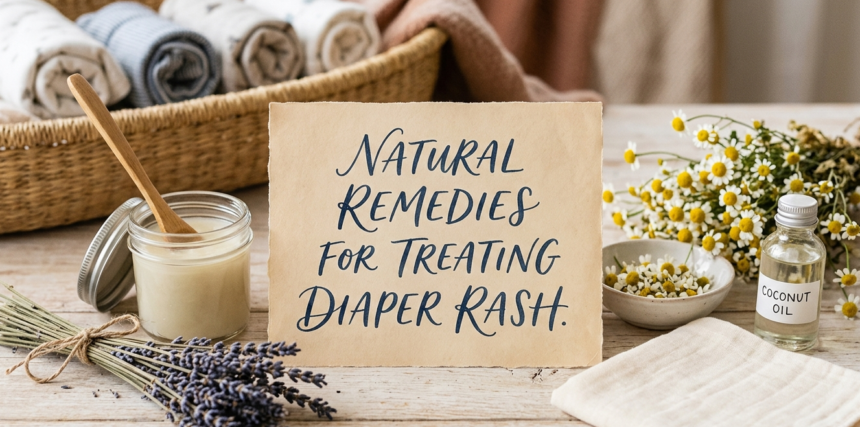
Diaper rash is a common condition that affects babies, causing discomfort and irritation. Fortunately, there are several natural remedies that can help alleviate this issue effectively. Here, we will explore the top natural treatments for diaper rash.
Coconut Oil: Renowned for its moisturizing and anti-inflammatory properties, coconut oil is an excellent choice for treating diaper rash. To apply, ensure the affected area is clean and dry. Then, gently massage a small amount of organic coconut oil into the rash after each diaper change. Its natural antibacterial properties can help to prevent further irritation.
Aloe Vera: This succulent plant is celebrated for its soothing properties. To use aloe vera gel for diaper rash, apply a thin layer directly onto the irritated skin. Wait for a few minutes to let it absorb before putting on a fresh diaper. This remedy not only alleviates discomfort but also promotes healing.
Calendula Ointment: Calendula, made from marigold flowers, has antifungal and antibacterial properties that can aid in healing diaper rash. Select a natural calendula ointment and apply it gently to the affected area after cleaning. This remedy can significantly reduce inflammation and promote skin regeneration.
Chamomile Tea: Chamomile is known for its calming effects. Brew a strong chamomile tea and allow it to cool. Use a clean cloth to apply the cooled tea to the diaper rash. Chamomile can help soothe irritation and reduce redness due to its anti-inflammatory properties.
Oatmeal Baths: Colloidal oatmeal is another effective remedy for diaper rash. To create an oatmeal bath, grind plain oats into a fine powder and mix it into warm bath water. Let your baby soak in this soothing bath for about 10–15 minutes. Not only does this moisturize the skin, but it also relieves itching and irritation.
By incorporating these natural remedies into your baby’s routine, you can provide relief from the discomfort associated with diaper rash while promoting skin health in a gentle, effective manner.
Essential Oils for Diaper Rash Relief
Diaper rash can be a common and distressing issue for infants, but several essential oils are known to provide soothing relief. Among these, lavender oil and tea tree oil stand out for their beneficial properties. Lavender oil is renowned for its calming effects, while tea tree oil is valued for its antimicrobial attributes, making both suitable choices for alleviating diaper rash symptoms.
When using essential oils, it is crucial to take necessary safety precautions. Direct application of essential oils on the delicate skin of infants is not recommended. Instead, proper dilution is vital. A general guideline is to dilute essential oils in a carrier oil, such as coconut or sweet almond oil. For young children, a safe dilution ratio is typically one drop of essential oil per tablespoon of carrier oil. This dilution helps reduce the risk of skin irritation and ensures the essential oils can be safely absorbed.
The application method is also important. After diluting the essential oil, gently apply a small amount to the affected area using clean hands or a cotton ball. This should be done after each diaper change to maintain cleanliness and provide ongoing relief. Allow the area to breathe after application, if possible, and ensure that the diaper is not too tight, as this can exacerbate irritation.
While essential oils can offer relief, it is important to monitor the baby’s reaction. If any signs of an allergic reaction or irritation occur, discontinue use immediately and consult a healthcare professional. Always remember that using natural remedies should complement, not replace, traditional medical advice, especially in persistent cases of diaper rash.
Preventing Diaper Rash with Natural Methods
Diaper rash is a common concern among parents, but taking proactive measures can significantly reduce its occurrence. One effective method is to maintain dryness in the diaper area. Frequent diaper changes play a critical role in keeping the skin dry and preventing irritation. It is advisable to change the diaper immediately after it becomes wet or soiled, allowing minimal exposure to moisture, which can lead to diaper rash.
Choosing the right diaper material is another essential aspect of prevention. Opting for breathable, natural fiber cloth diapers can enhance airflow and lessen skin irritation. Additionally, using disposable diapers that contain hypoallergenic materials can minimize the risk of allergic reactions. Parents should be cautious of diapers that contain fragrances or harsh chemicals, as these can exacerbate skin sensitivities.
Incorporating natural barriers can also help protect the skin from irritants. Products such as organic coconut oil or pure lanolin can be applied to the diaper area as a buffer against moisture. These natural substances provide a protective layer, reducing friction and preventing skin from coming into direct contact with feces and urine. Such preventive measures not only nurture the skin but also promote overall skin health.
Moreover, allowing for diaper-free time can be beneficial. This practice can provide much-needed ventilation to the skin and allows it to breathe, significantly reducing the likelihood of developing diaper rash. During this time, place a waterproof mat underneath to prevent any mess and encourage free movement. By implementing these natural methods for preventing diaper rash, parents can help safeguard their child’s comfort and well-being.
When to Seek Medical Advice
Diaper rash, while common, can sometimes indicate underlying health issues that require medical attention. Parents should be vigilant and proactive in monitoring their baby’s condition to identify when professional treatment is necessary. If one observes severe redness or swelling in the affected area, it is important to consult a healthcare provider. These symptoms may suggest a more serious infection that could demand immediate intervention.
In addition to inflammation, the presence of blisters or sores is also a concerning sign. These lesions can lead to discomfort and may cause further complications if not treated appropriately. If the diaper rash appears to be spreading, despite home treatment efforts, it could signify a bacterial or fungal infection, warranting a timely visit to a pediatrician.
Furthermore, if the rash has not shown any signs of improvement after several days of conventional care using over-the-counter remedies, professional evaluation becomes necessary. Maintaining the health and comfort of an infant is essential, and prolonged irritation can lead to further complications, such as secondary infections. Parents should also be mindful if their baby develops a fever alongside the rash; this combination can be indicative of a more significant health issue that requires medical assessment.
In summary, while many cases of diaper rash respond well to home remedies, it is crucial to recognize the signs that signal the need for medical advice. Severe symptoms, persistent rashes, or signs of infection should not be ignored. Early intervention can help prevent further discomfort and ensure appropriate treatment, promoting a faster recovery for your baby.
Real-Life Stories and Experiences
Many parents have turned to natural remedies in their quest to find effective solutions for treating diaper rash. The following collection of experiences reflects their journeys, highlighting the challenges faced and the remedies that provided relief.
One parent shared a touching story about her infant daughter, who suffered from severe diaper rash at just six months old. After trying various over-the-counter creams without success, she decided to explore natural methods. With the advice of a friend, she began using coconut oil, praised for its antifungal and antibacterial properties. She applied a thin layer during every diaper change, and within days, the rash visibly improved. This transition not only healed her daughter’s skin, but it also reduced the risk of future occurrences, as the coconut oil formed a soothing barrier.
Another father recounted his experience with a simple mixture of chamomile tea and olive oil. After brewing a strong chamomile concoction to soothe irritation, he allowed it to cool and diluted it with olive oil. Applying this blend during diaper changes significantly helped his son, who had been dealing with persistent diaper rash. The calming effect of chamomile combined with the moisturizing nature of olive oil provided the comfort his child needed, allowing him to enjoy playtime without discomfort.
A third account came from a mother who swore by the effectiveness of oatmeal baths. She realized that her infant would often react poorly to commercial diapers, so she decided to go cloth. More importantly, she began incorporating colloidal oatmeal baths into her routine. This natural remedy not only alleviated existing irritation but also proved to be a proactive measure to prevent diaper rash. The soothing properties of oatmeal were instrumental in ensuring comfort and healing.
These stories from fellow parents provide both encouragement and practical insights for those navigating similar challenges with diaper rash. As each child is unique, natural remedies can be a worthwhile option to explore in the pursuit of healthy skin for little ones.
Conclusion and Key Takeaways
In discussing natural remedies for treating diaper rash, it becomes clear that parents have an array of effective options at their disposal. Diaper rash, while common, can cause significant discomfort for infants and distress for caregivers. A proactive approach to prevention and treatment is essential for promoting healthy skin and ensuring the well-being of the child.
Natural ingredients such as coconut oil, aloe vera, and calendula have been highlighted as effective remedies due to their soothing and healing properties. These options are not only gentle on sensitive skin but also minimize the risk of adverse reactions often associated with chemical-based products. Parents should consider incorporating these remedies as part of a regular diaper change routine to help alleviate and prevent irritation.
Furthermore, maintaining an adequate level of skin dryness and allowing for air exposure when possible are important strategies in preventing diaper rash. The combination of proper hygiene practices and natural products can significantly reduce both the incidence and severity of this common ailment. It is critical for parents to remain vigilant about their baby’s skin condition, as early intervention can mitigate discomfort and foster healthier skin.
In summary, leveraging natural remedies for diaper rash not only supports the skin’s healing process but also enhances the overall health of infants. By being informed and proactive, parents can adopt these natural approaches confidently, contributing to their child’s comfort and health.