
Understanding the Importance of Monitoring Your Newborn’s Health
Newborns are particularly vulnerable during their early days, which makes monitoring their health a critical responsibility for parents. The first few weeks of life are essential for a baby’s development, and any sign of distress can indicate a serious underlying issue. As a parent, being attuned to your newborn’s behavior and physical condition is vital. Regular assessment of health indicators, such as feeding patterns, skin color, and responsiveness, can help catch potential problems early.
New parents should familiarize themselves with the range of normal behaviors and appearances for their infants. This knowledge can empower them to identify when something is amiss. For instance, excessive lethargy, unusual crying, or feeding difficulties can all be warning signs that warrant a call to the pediatrician. Each of these symptoms may represent a complication that, if addressed timely, can lead to better health outcomes for the infant.
Moreover, maintaining open lines of communication with your pediatrician is crucial. New parents should not hesitate to reach out with questions or concerns, no matter how minor they may seem. Pediatricians can provide invaluable guidance regarding newborn care and health monitoring. Their expertise allows them to demystify any anomalous sign and help parents maintain their peace of mind.
In this context, proactive health monitoring does not merely relate to reacting to symptoms. It also involves routine checkups and vaccinations that are part of any newborn’s healthcare plan. Parents are encouraged to adhere to a schedule of visits to ensure their newborn stays on track with developmental milestones. Overall, an engaged and informed approach to monitoring health lays the groundwork for a healthy future.
Common Newborn Warning Signs to Watch For
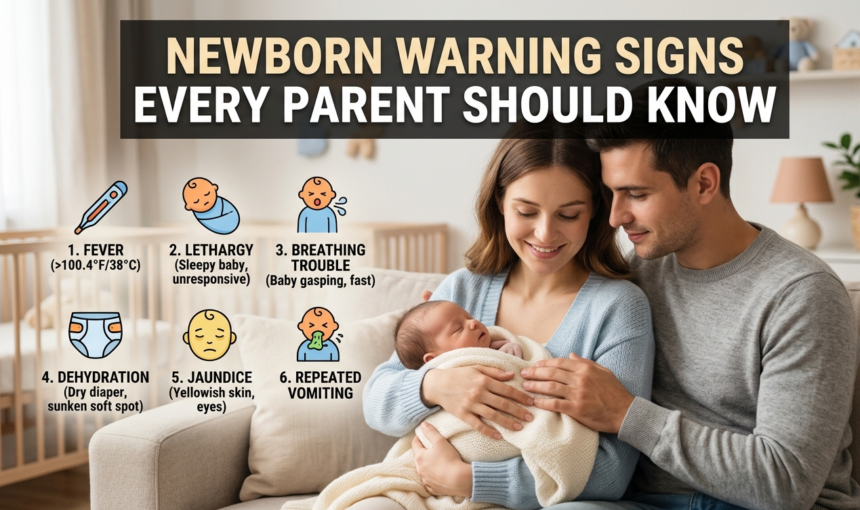
Monitoring the health of a newborn is a paramount responsibility for any parent or caregiver. Recognizing common warning signs can lead to timely medical intervention, ensuring the wellbeing of your child. One of the most prevalent indicators of potential health issues is jaundice, characterized by a yellowish tint of the skin and the whites of the eyes. This condition is often a result of elevated bilirubin levels in the blood and typically appears within the first few days after birth. New parents should be vigilant, particularly if jaundice seems to worsen or does not resolve within a week.
Another critical sign to observe is persistent crying. While it is normal for newborns to cry as a means of communication, excessive crying or inconsolable fussiness can be a signal that something is amiss. This may stem from issues such as colic, hunger, or the presence of other ailments. If the crying is accompanied by unusual behaviors, such as a stiff body or lack of responsiveness, it warrants an immediate consultation with a pediatrician.
Feeding difficulties also pose a significant concern. Newborns may experience trouble latching during breastfeeding or may not consume enough milk, leading to inadequate weight gain. Observing feeding patterns is crucial; if your infant appears lethargic during feeding sessions or does not wake to feed sufficiently, these could be signs of underlying health concerns.
Moreover, maintaining a watchful eye on your newborn’s temperature is essential. Abnormal temperature readings, either too high or too low, could indicate an infection or other medical condition necessitating immediate attention. A baby’s normal temperature generally ranges from 97°F to 100.4°F (36.1°C to 38°C). Any deviation from this range should prompt further inquiry and possibly a consultation with your pediatrician.
Assessing Urgency: When to Seek Immediate Medical Attention
As a parent, it is crucial to remain vigilant regarding your newborn’s health, especially when symptoms may indicate a serious condition. Knowing when to seek immediate medical attention from a pediatrician can be a vital skill that could make a significant difference in your child’s well-being. There are particular warning signs that should prompt an urgent response.
One of the most critical indicators is d difficulty breathing. If your newborn exhibits rapid, labored breaths or struggles to breathe, this signals a potential respiratory distress that may require immediate intervention. Signs include the use of abdominal muscles to breathe, grunting, flaring nostrils, or a bluish tint to the skin, particularly around the lips or face.
Another serious symptom is the occurrence of seizures. Seizures in newborns may present as unusual jerking movements, stiffness, or unresponsiveness. If you witness such a seizure, it is imperative to seek medical care promptly. Understanding the nature and duration of the seizure can provide critical information for the healthcare provider.
Unresponsiveness is yet another alarming sign that warrants immediate attention. If your baby fails to respond to stimuli—such as making eye contact, crying, or moving when being touched—this could indicate underlying medical issues. Additionally, if your newborn experiences a high fever (defined as 100.4 degrees Fahrenheit or higher in infants under three months), it is essential to consult with a pediatrician without delay.
In circumstances where your instinct raises concerns, it is always safer to err on the side of caution. Quick assessment and timely intervention can lead to better outcomes in critical situations. Always remember, immediate medical attention can provide reassurance and necessary support for your newborn’s health.
Recognizing Signs of Infection in Newborns
Newborns have developing immune systems, making them particularly vulnerable to infections. Parents should be vigilant in identifying potential signs of infection, as prompt medical attention may be crucial. One of the primary indicators of infection in a newborn is a fever, defined as a rectal temperature exceeding 100.4°F (38°C). In infants, even a slight elevation in their body temperature can be alarming and warrants immediate consultation with a pediatrician.
Irritability and unusual lethargy can also signal infection. While it is common for newborns to be fussy, extreme irritability that does not subside, or significant lethargy where the baby has little energy or shows decreased responsiveness, may indicate underlying issues. These behavioral changes should not be overlooked, as they could correlate with infections requiring medical evaluation.
Feeding problems are another critical symptom to observe. A decrease in feeding frequency or refusal to eat can be concerning. Infections may lead to decreased appetite due to discomfort or malaise. Parents should monitor wet and dirty diapers as well; a sudden drop in these indicators may assist in recognizing other potential health issues.
Additional signs include difficulty breathing, persistent vomiting, or jaundice. Since infections can escalate quickly in newborns, maintaining open communication with a pediatrician is essential. It is important for parents to trust their instincts; if something seems off with their newborn, they should seek medical help without hesitation. Being proactive can lead to timely interventions, significantly improving health outcomes for infants.
Understanding Developmental Milestones and Health Indicators
Tracking developmental milestones in newborns is an essential aspect of monitoring a child’s growth and overall health. These milestones encompass physical, emotional, and cognitive areas that are crucial in the early stages of life. Recognizing the importance of these milestones aids parents in gauging if their child is progressing normally or if there are areas of concern that require closer attention.
Physical milestones, for instance, include the ability to control head movements, the ability to lift the chest when lying on the stomach, and the initiation of hand movements. Each of these developmental tasks plays a pivotal role in the foundation for more advanced motor skills in later stages of growth. If a newborn is failing to meet these physical milestones within an expected timeframe, it may indicate potential health issues that warrant a discussion with a pediatrician.
Emotionally, newborns should start to express basic emotions, such as happiness or distress, and begin to form initial bonding behaviors, like responding to caregiver voices. Delays in emotional responsiveness can signify attachment issues or developmental disorders. Parents are encouraged to observe these interactions as they are pivotal indicators of a newborn’s well-being.
Cognitively, newborns exhibit much of their development through sensory exploration. By around two months, infants typically start to visually track objects and respond to stimuli. Notably, cognitive milestones can differ widely, yet significant delays in cognitive engagement may indicate the need for further evaluation.
In each of these areas, it is important for parents to remain vigilant. Early identification of any concerning patterns allows for timely intervention, significantly improving outcomes for the child.
The Role of Pediatricians in Your Newborn’s Health
Pediatricians play a crucial role in the overall health and well-being of newborns. Their expertise encompasses various aspects of child health, ranging from physical examinations to developmental assessments. Pediatricians specialize in the medical care of infants, children, and adolescents, and they provide not just medical evaluations but also guidance for parents, helping them navigate the early stages of their newborn’s life.
One of the primary responsibilities of pediatricians is to monitor the growth and development of newborns. This includes tracking milestones such as weight gain, motor skills, and sensory development. Through regular check-ups, pediatricians can identify any potential health concerns early on, ensuring timely intervention. They also offer vaccinations that protect against serious illnesses, thereby playing a vital role in preventive care.
In addition to monitoring health metrics, pediatricians serve as an essential resource for parents. Newborns often exhibit a range of behaviors and symptoms that may concern first-time parents. Pediatricians educate parents about normal versus abnormal signs to look for, promoting an understanding of common issues such as colic, reflux, and sleep patterns. Their guidance helps parents to feel more confident in caring for their newborns.
Pediatricians should be contacted for both non-urgent and urgent matters. For instance, if a newborn experiences feeding difficulties or unusual lethargy, parents should reach out sooner rather than later. Conversely, urgent situations such as high fever, difficulty breathing, or seizures warrant immediate medical attention. Understanding when it is appropriate to consult with a pediatrician empowers parents to take proactive steps in ensuring their newborn’s health.
Creating a Health Journal for Your Newborn
Maintaining a health journal for your newborn is an invaluable practice that can significantly enhance the communication between parents and pediatricians. By documenting key aspects of your child’s daily routine and any symptoms that may arise, parents can provide their healthcare provider with a comprehensive overview of their baby’s wellbeing, which can ultimately aid in timely and accurate assessments.
The journal should primarily include details about your newborn’s behavior, feeding patterns, and sleep habits. For behavior tracking, note any unusual crying spells, changes in mood, or social engagement. Feeding patterns can encompass breast-feeding or bottle-feeding frequency, volume consumed, and any signs of difficulty during feeding. Additionally, it is important to document any symptoms such as fever, rash, or unusual bowel movements, as these can be crucial indicators of potential health issues.
Sleep patterns warrant particular attention as well. Document how many hours your newborn sleeps, changes in sleep duration, and any difficulties in sleeping, such as trouble falling asleep or excessive waking. These details can help identify normal growth variations, possible sleep disorders, or patterns that may require pediatric evaluation.
As you create your newborn’s health journal, consider using a standard format or template that allows for easy organization and retrieval of information. Digital note-taking applications or simple notebooks can suffice, but the key is to ensure that entries are consistent and comprehensive. Regularly reviewing this journal not only allows for effective parental observations but also equips you with vital information to discuss during pediatric visits, ultimately fostering a more proactive approach to your newborn’s health.
What Parents Should Know About Vaccine Schedules
Vaccination is a critical component of public health, particularly for newborns who are vulnerable to various infectious diseases. The Centers for Disease Control and Prevention (CDC) recommends that infants receive their first vaccinations within the first year of life. The vaccine schedule typically begins with the Hepatitis B vaccine shortly after birth, followed by several critical immunizations that protect against diseases such as diphtheria, tetanus, whooping cough (DTaP), and polio. Understanding the vaccine timeline is essential for ensuring your newborn receives the necessary immunizations at the right developmental stages.
In addition to the initial vaccines, parents should be aware of the importance of subsequent doses, as these are designed to boost immunity and provide long-lasting protection. The majority of vaccines require multiple doses, spaced out over time, to ensure complete immunity. Parents are encouraged to maintain an up-to-date vaccination record and adhere to the schedule provided by their pediatrician, as missing vaccinations can leave a newborn susceptible to serious illnesses.
It is also important to note that while most vaccinations are safe and well-tolerated, some infants may exhibit mild side effects such as fever, soreness at the injection site, or irritability following vaccination. More serious adverse reactions, although rare, can occur. Parents should remain vigilant and monitor their newborns for unusual symptoms after vaccination. If severe side effects such as high fever, persistent crying, or difficulty breathing are observed, it is crucial to contact a pediatrician immediately for guidance and possible medical intervention.
Conclusion: Empowering Parents and Caregivers
In addressing the various warning signs related to newborn health, it becomes evident that proactive awareness is essential for all parents and caregivers. The neonatal phase can be a daunting experience, filled with uncertainties and numerous questions. Recognizing and understanding the indicators that may warrant calling a pediatrician not only ensures the well-being of the newborn but also alleviates parental anxiety.
Parents are encouraged to familiarize themselves with the potential symptoms that may signify a need for professional evaluation. Common signs such as excessive crying, feeding difficulties, or unusual lethargy should never be dismissed. Instead, observing these behaviors requires a cautious approach and, when necessary, immediate contact with a healthcare provider. It is crucial for parents to remember that reaching out to a pediatrician for guidance demonstrates a commitment to their child’s health and serves as an invaluable resource during this critical developmental phase.
Equally important is the understanding that instincts play a pivotal role in the caregiving process. Parents should trust their gut feelings when it comes to their newborn’s health. If something feels off, it is undoubtedly worth discussing with a pediatrician. This proactive stance can lead to timely interventions, potentially avoiding more severe issues down the line. Ultimately, by prioritizing open communication with healthcare professionals, parents and caregivers can navigate the challenges of newborn care with confidence and assurance.