
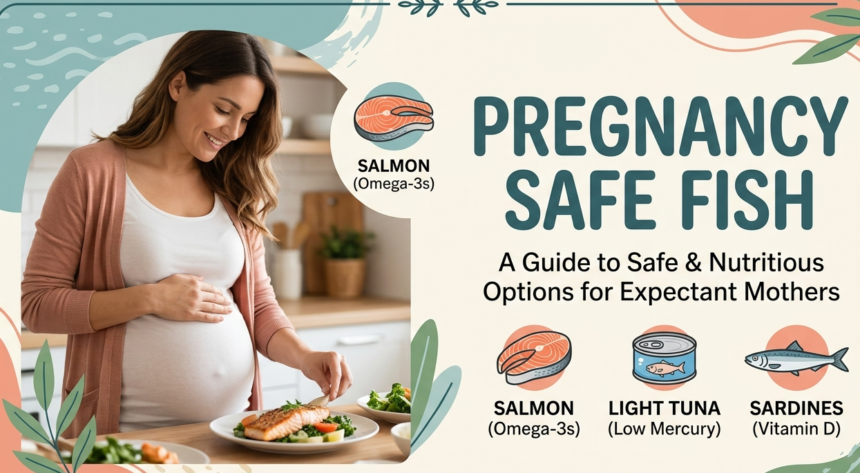
Introduction to Fish Consumption During Pregnancy
Nutrition during pregnancy is crucial for the health and development of both the mother and the unborn child. One of the essential components of a pregnant woman’s diet should be fish, which serves as a rich source of high-quality protein, omega-3 fatty acids, vitamins, and minerals. These nutrients are vital for fetal brain development, visual acuity, and overall growth. Fish consumption during pregnancy can have beneficial effects, including improved cognitive skills in children and a lower risk of preterm labor.
Despite the benefits fish can provide, it is important to approach fish consumption during pregnancy with caution due to concerns regarding mercury levels. Certain fish species, particularly large predatory fish like shark, swordfish, and king mackerel, are known to accumulate high levels of mercury in their bodies. Mercury exposure during pregnancy can have detrimental effects on fetal neurological development, potentially leading to cognitive deficits and developmental delays.
Because of the conflicting evidence surrounding fish consumption and mercury exposure, it is important for expectant mothers to be informed about which types of fish are safe to eat and which should be avoided. Fish varieties such as salmon, sardines, and trout are typically low in mercury and offer numerous health benefits. On the other hand, the high mercury content in certain types of fish necessitates that pregnant women be mindful of their choices.
This guide aims to provide a comprehensive overview of safe fish consumption during pregnancy, focusing on the balance between the nutritional benefits of fish and the potential risks associated with mercury exposure. Through understanding the implications of fish consumption, pregnant women can make informed decisions to promote the health of themselves and their developing babies.
Understanding Mercury: What Is It and Why Is It a Concern?
Mercury is a naturally occurring heavy metal that exists in various forms, including elemental, inorganic, and organic mercury. It is released into the environment through both natural sources, such as volcanic eruptions and the weathering of rocks, and human activities, such as industrial processes, mining, and the burning of fossil fuels. Once released, mercury can be deposited into water bodies, where it transforms into methylmercury, a particularly toxic organic form that accumulates in the fatty tissues of fish and other aquatic organisms.
The primary concern regarding mercury stems from its potential health risks, especially for vulnerable populations, including pregnant women and developing fetuses. Exposure to high levels of mercury can lead to serious health issues, as it affects the nervous system and can impede cognitive development in unborn children. Pregnant women who consume fish with elevated mercury levels can inadvertently pass this toxin to their fetus, leading to developmental delays, sensory impairments, and other cognitive challenges later in life.
Furthermore, methylmercury is a persistent contaminant that can remain in fish for extended periods, making it difficult to regulate consumption safely. This neurotoxin can be found in the tissue of larger predator fish, such as swordfish and shark, which tend to bioaccumulate mercury due to their longer lifespan and higher position in the food web. Hence, it is essential for pregnant women to be aware of the types and amounts of fish they consume to minimize their risk of mercury exposure during pregnancy. Understanding the sources and implications of mercury is vital to making informed dietary choices that promote health for both the mother and the developing child.
The Impact of Mercury on Fetal Development
Mercury exposure during pregnancy poses significant risks to fetal development. Mercury is a heavy metal that can accumulate in fish and seafood, and when ingested, it may lead to adverse health effects for both the mother and the developing fetus. One of the primary concerns is the potential for developmental delays. Studies have shown that high levels of mercury in pregnant women are associated with slowed cognitive development and learning disabilities in children.
The effects on brain development are particularly alarming. Mercury has the ability to cross the placental barrier, affecting the developing brain. This can result in permanent brain damage, impacting critical areas responsible for learning, memory, and emotional regulation. Children exposed to mercury in utero may exhibit symptoms such as reduced attention span, impaired motor skills, and difficulties with communication.
Additionally, exposure to mercury has been linked to a range of neurological disorders. Some studies have indicated a correlation between maternal mercury levels and an increased risk of autism spectrum disorders. The developing nervous system is particularly vulnerable during the third trimester when the brain undergoes rapid growth and development.
Furthermore, the potential for other health issues cannot be overlooked. Pregnant women with high mercury levels may face complications such as high blood pressure, which can threaten both their health and that of their unborn child. Given these serious implications, it is crucial for expectant mothers to be aware of the mercury levels in the fish they consume and to make informed dietary choices.
Identifying Fish with High Mercury Levels
Mercury accumulation in fish can pose significant health risks, especially for pregnant women. Certain species of fish are notorious for their high mercury levels, often resulting from environmental factors such as industrial pollution, which contaminates water bodies. Understanding which fish species to avoid is crucial to ensure the health of both the mother and the developing fetus.
Among the most commonly cited fish with high mercury levels are large predatory species. Examples include shark, swordfish, king mackerel, and tilefish. These fish tend to accumulate mercury in their tissues due to their position at the top of the food chain, consuming smaller fish that may have already ingested mercury. Consequently, the larger and older the fish, the higher the mercury concentration often found within them.
Additionally, fish like orange roughy and certain types of tuna, particularly bigeye tuna and albacore, are also recognized for their elevated mercury content. Frequent consumption of these fish can lead to increased mercury levels in the body, which is why it is advised to limit their intake during pregnancy.
To minimize exposure to mercury, pregnant women should consider sourcing fish that are lower in mercury, such as salmon, sardines, and trout. It is also beneficial to stay updated with local advisories concerning mercury levels in fish caught from specific waters. Many health organizations recommend that women who are pregnant or planning to become pregnant consume no more than two servings of fish per week, ensuring that the chosen varieties are low in mercury.
By being informed about which fish species carry higher mercury levels and taking appropriate dietary precautions, expectant mothers can make safer choices that promote healthier outcomes during pregnancy.
Pregnancy Safe Fish: A Comprehensive List
When considering a diet during pregnancy, it’s crucial for expectant mothers to choose fish that are low in mercury and high in nutritional benefits. Here is a detailed list of fish that are deemed safe during pregnancy, in addition to the nutrition they provide.
1. Salmon: Rich in omega-3 fatty acids, salmon contributes to fetal brain development and overall health. Expectant mothers can safely consume up to 12 ounces of cooked salmon each week.
2. Sardines: These small fish are packed with omega-3s and are low in mercury. Sardines also offer high levels of vitamin D and calcium, supporting both the mother’s and baby’s bones. A serving size of 2 to 3 servings per week, each being about 3.5 ounces, is advisable.
3. Catfish: Catfish is known for its mild flavor and low mercury levels. It is also a good source of protein and selenium, which plays a role in antioxidant support. Pregnant women can enjoy this fish up to 6 ounces per week without concern.
4. Tilapia: This mild-tasting fish is both affordable and rich in protein. It’s also lower in omega-3s compared to other fish, but still represents a safe choice with minimal mercury. Limit intake to about 2 to 3 servings weekly, each around 3 to 4 ounces.
5. Herring: Another omega-3-rich option, herring can help promote brain development in the fetus. Its low mercury content makes it a safe option, with a recommended intake of approximately 8 to 12 ounces per week.
These options provide essential nutrients required during pregnancy while minimizing exposure to harmful levels of mercury. Always consider preparation methods, opting for baked or grilled options over fried for maximum health benefits.
How to Safely Prepare Fish During Pregnancy
Preparing fish safely during pregnancy is crucial to minimize health risks associated with foodborne illness and exposure to harmful contaminants such as mercury. First and foremost, it is vital to choose fish varieties that are low in mercury, such as salmon, trout, and sardines. Once you have selected your fish, the preparation process should begin with thorough cleaning.
Before cooking the fish, wash your hands, utensils, and surfaces. This helps prevent the spread of bacteria. It is advisable to use a separate cutting board specifically for fish to avoid cross-contamination with other foods. After cleaning, ensure the fish is properly thawed if previously frozen; this can be done by leaving it in the refrigerator overnight or submerging it in cold water.
Cooking fish to the appropriate internal temperature is essential for safety. Fish should be cooked until it reaches an internal temperature of 145°F (63°C). The flesh should appear opaque and separate easily with a fork. Avoid consuming raw or undercooked fish, as they pose significant risks during pregnancy due to potential parasites and bacteria.
Additionally, methods of cooking matter; baking, grilling, steaming, or broiling fish are preferable to frying. Frying can introduce unhealthy fats, which are less beneficial during pregnancy. When utilizing seafood rich in omega-3 fatty acids, prepare it in a manner that retains its nutritional value.
Lastly, keep leftovers stored carefully. Cooked fish should be refrigerated within two hours and consumed within three to four days to reduce the risk of spoilage and foodborne illnesses. By adhering to these guidelines, pregnant individuals can enjoy the nutritional benefits of fish while minimizing potential health risks.
Recommendations from Health Authorities
Pregnancy is a crucial period that necessitates careful attention to dietary choices, particularly regarding fish consumption due to potential mercury exposure. Prominent health authorities, including the Food and Drug Administration (FDA) and the Environmental Protection Agency (EPA), issue guidelines to help navigate this important aspect of maternal health.
The FDA advises pregnant individuals to consume a variety of fish but emphasizes the importance of selecting low-mercury options. Specifically, they recommend eating 8 to 12 ounces of seafood per week, which translates to about two to three servings of fish. The emphasis is on choosing fish that have lower mercury levels, such as shrimp, salmon, catfish, and canned light tuna. It is crucial to avoid fish with higher mercury content, including shark, swordfish, king mackerel, and tiles fish, as these can pose significant risks to both the mother and the developing fetus.
Moreover, the EPA further supports these recommendations by urging pregnant women to consider not just the type of fish consumed but also its source. Wild-caught fish from lower-contaminated waters are generally safer choices compared to farmed fish that may have variable mercury levels. Health authorities advocate for informed decision-making and suggest that pregnant women refer to state advisories regarding local fish caught in rivers or lakes, as these can have higher contaminants.
In addition to frequency and type, proper cooking methods are essential. Guidelines recommend fully cooking fish to eliminate potential pathogens while also ensuring that consuming fish is done in moderation. Following these recommendations from the FDA and EPA can aid in minimizing exposure to mercury while still enjoying the nutritional benefits of fish during pregnancy.
Myths and Misconceptions About Eating Fish While Pregnant
Pregnancy is a time marked by careful decision-making and heightened awareness of dietary choices. Among the many considerations, fish consumption often incites various myths and misconceptions. It is crucial to discern fact from fiction to ensure the well-being of both mother and child. One prevalent myth is that all fish should be avoided during pregnancy due to potential mercury exposure. While it is true that certain species of fish contain elevated mercury levels, many types of fish are not only safe for consumption during pregnancy but are also beneficial due to their high omega-3 fatty acid content.
Another common misconception is that eating fish can lead to developmental issues in the fetus. Research suggests the opposite; adequate intake of omega-3 fatty acids is associated with improved brain development. Pregnant women are encouraged to consume low-mercury fish, such as salmon, anchovies, and sardines, which provide essential nutrients without the heightened risk of mercury toxicity.
Additionally, some believe that cooking fish eliminates any harmful substances it may contain. While cooking fish is essential for safety, it does not reduce mercury levels. Thus, it remains important for expectant mothers to choose fish with naturally low mercury content rather than relying solely on cooking methods. Furthermore, the belief that all traditional seafood dishes are off-limits is misleading. Many popular fish options can be safely enjoyed when they are carefully selected and prepared.
Lastly, there is a widespread fear that eating fish will lead to allergies in the child. However, research indicates that introducing fish early in a child’s life can actually decrease the risk of such allergies. Overall, it is vital for expectant mothers to base their dietary decisions on evidence-based information rather than unfounded fears. Educating oneself about safe fish consumption can lead to a healthier pregnancy and a well-nourished baby.
Conclusion: Making Informed Choices About Fish During Pregnancy
Pregnancy is a crucial time when expectant mothers must make informed dietary choices to safeguard their health and that of their unborn child. One important aspect of nutrition is the consumption of fish, which can provide essential nutrients like omega-3 fatty acids, protein, and vitamins. However, the potential presence of mercury in certain types of fish poses significant risks that must be carefully evaluated.
Throughout this guide, we have highlighted the significance of understanding mercury levels in fish. It is essential to choose varieties that are low in mercury, such as salmon, sardines, and trout, while limiting or avoiding species known for higher levels, such as shark, swordfish, and king mackerel. This approach not only maximizes the health benefits of fish consumption but also minimizes the exposure to harmful toxins that could negatively impact fetal development.
Your dietary choices during pregnancy can have lasting implications for both you and your baby. It is advisable to consult with healthcare professionals to ensure your fish selections align with dietary guidelines and recommendations tailored to your health condition. Staying informed about safe fish choices is fundamental in achieving a balanced diet that supports optimal growth and development.
In conclusion, understanding the balance between the nutritional benefits of fish and the associated risks stands as a key theme throughout this guide. By making informed decisions about fish consumption during pregnancy, expectant mothers can foster a healthier future for themselves and their children. It is imperative to continue researching and consulting with experts in nutrition to navigate these choices effectively.