
Introduction to Single Motherhood
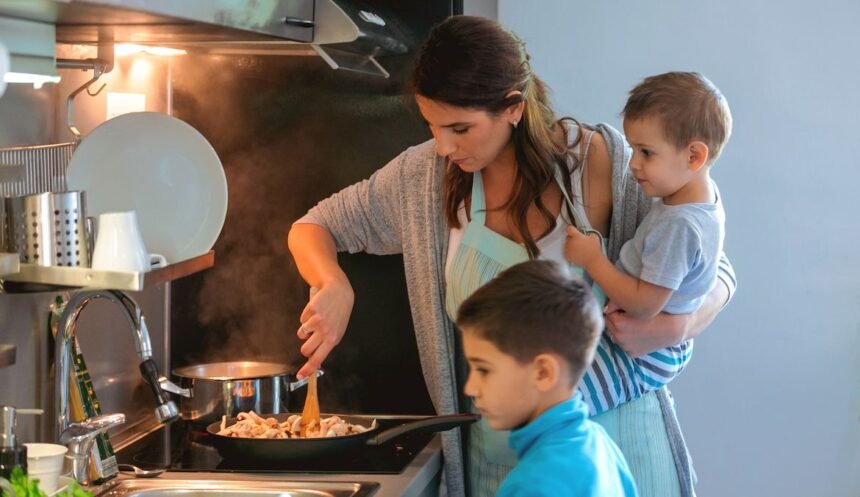
Single motherhood represents a unique and increasingly common family structure in today’s society. According to recent statistics, around one in four children in the United States is raised by a single parent, with the majority being single mothers. This demographic shift highlights the resilience and determination of women who navigate the complexities of raising children independently.
The journey of a single mother is often marked by various challenges. These can include financial difficulties, time constraints, and emotional stressors arising from the dual responsibility of providing both parental and economic support. Additionally, single mothers may experience feelings of isolation and societal stigma, which can compound the stress associated with parenting alone.
However, alongside these challenges are numerous rewards. Single mothers frequently develop strong bonds with their children and often cultivate a heightened sense of independence and self-reliance. Parenting alone can foster an environment rich in personal growth and resilience. Moreover, it can offer a unique opportunity for children to develop empathy and understanding towards the broader dynamics of family life.
Community support plays a critical role in the success of single motherhood. Engaging with other parents, seeking support from local organizations, and building a network of friends and family can provide essential resources and stability. Additionally, fostering a positive outlook on life and parenting is crucial. A focus on creating a nurturing and loving environment aids in setting the tone for a thriving household.
In summary, while the path of a single mother can be fraught with difficulties, the combination of resilience, community support, and a proactive mindset can pave the way for successful parenting experiences. As the foundation of single motherhood continues to evolve, embracing both its challenges and rewards is vital for overall success.
Building a Support System
One of the most crucial aspects of effectively navigating the challenges of single motherhood is establishing a robust support system. Support can come from various sources, including family, friends, and community resources, all of which can play a vital role in maintaining emotional well-being and practical assistance.
Family can often be the first line of support for single mothers. Whether it’s emotional encouragement or physical help with childcare, relatives may offer a sense of stability and comfort. However, not all families are able to provide the needed assistance. In such cases, reaching out to friends can be equally beneficial. Close friends can turn into a surrogate family, offering companionship and valuable support during tough times.
In addition to personal connections, community resources present another avenue for support. Many communities offer programs specifically designed to assist single parents, including parenting classes, counseling services, and financial assistance. It is essential to research local organizations that may help ease some of the burdens single mothers face. Additionally, many towns have local support groups where single moms can gather, share experiences, and build friendships.
Online communities have also grown in popularity, providing another layer of support for single mothers. These platforms allow moms to connect with others facing similar challenges, offering a safe space to share advice, resources, and emotional support. Whether through social media groups or dedicated forums, these virtual spaces can often feel less isolating.
Seeking help should be seen as a strength, not a weakness. Understanding that it is perfectly acceptable to ask for assistance enables single moms to cultivate a supportive network that can enhance their parenting experience. Building a support system not only provides practical help but can also create a sense of belonging, which is invaluable in motherhood.
Effective Time Management Strategies
Single mothers are often faced with the daunting task of balancing work commitments and family responsibilities. With the multitude of demands placed on their time, effective time management becomes essential for maintaining a sense of order and well-being. To navigate this challenging landscape, it is imperative to adopt practical strategies that promote productivity while allowing for quality family engagement and personal care.
One of the foundational steps in managing time effectively is the establishment of a structured schedule. This can often be achieved by using digital calendars or planner apps to outline daily, weekly, and monthly commitments. Allocating specific time blocks for work, family activities, and self-care can help ensure that all essential areas receive attention. It is beneficial to engage children in this process, perhaps by including them in the planning of family activities, which fosters a shared sense of responsibility and involvement.
Prioritization is another critical technique single mothers can utilize. By identifying the most pressing tasks each day and categorizing them from most to least important, moms can focus their energies on what truly matters. Tools such as the Eisenhower Matrix can aid in distinguishing between urgent and important tasks, allowing for a more strategic allocation of time.
Moreover, it is vital to carve out moments for self-care amidst a busy schedule. This could include short breaks for relaxation, hobbies, or even just quiet reflection. Incorporating these periods into the routine not only supports mental health but also enhances overall productivity. Time management can be further optimized through delegation of household responsibilities, whether through involving children in age-appropriate tasks or seeking assistance from friends and family.
In summary, effective time management is a crucial skill for single mothers striving to juggle work and family life. By creating a structured schedule, prioritizing tasks, and ensuring self-care, they can cultivate a balanced routine that supports both personal fulfillment and family unity.
Financial Planning for Single Moms
Effective financial management is crucial for single moms, as they often bear the sole responsibility for their family’s financial well-being. Establishing a solid budgeting plan is the first step in ensuring financial stability. It is essential to analyze your income and expenses meticulously. Begin by listing all sources of income, which may include salary, alimony, child support, and any government assistance program benefits. Following this, categorize your monthly expenses, such as housing, utilities, groceries, transportation, and childcare. By having a comprehensive understanding of your financial situation, you can make informed decisions and find where adjustments might be necessary.
Government assistance programs play a vital role in helping single mothers stretch their budgets. Programs such as Temporary Assistance for Needy Families (TANF) and Supplemental Nutrition Assistance Program (SNAP) can provide financial relief. Additionally, exploring state-specific resources for single mothers, such as housing support, childcare subsidies, or health coverage, can further alleviate financial pressures. Many organizations and community resources are available to assist single moms in navigating these systems.
As a single mother, it is essential to prioritize saving for the future. Establish a separate savings account to build an emergency fund for unexpected expenses, such as medical emergencies or unplanned car repairs. Aim to save at least three to six months’ worth of living expenses to foster a sense of security. Furthermore, consider retirement saving plans, as it is crucial to think long-term in order to ensure financial independence as you age.
Ultimately, increasing your financial literacy will empower you to make better choices regarding money management. Utilize online resources, attend workshops, or consult with a financial advisor who specializes in working with single parents. By developing strong financial planning skills, single moms can thrive and secure whatever future they envision for themselves and their children.
Coping with Stress and Mental Health
Single motherhood is often accompanied by unique challenges that can significantly affect mental health. The demands of raising children alone can lead to feelings of overwhelm, anxiety, and even depression. Acknowledging these feelings is the first step towards effective management and coping.
One of the most important strategies for coping with stress as a single mom is prioritizing self-care. Self-care involves engaging in activities that promote well-being and relaxation. This can be as simple as taking a few moments each day to enjoy a cup of tea, reading a book, or practicing mindfulness and meditation. Such practices can help to recharge emotional reserves and provide a much-needed escape from daily stressors.
It is also vital for single mothers to maintain a support network. Connecting with other parents, family members, or friends can provide emotional support and practical assistance. Sharing experiences with those in similar situations can foster a sense of community and reduce the feelings of isolation that often accompany single parenting.
When facing prolonged or severe stress, seeking professional help should not be overlooked. Mental health professionals can offer valuable resources, including therapy and counseling, which can empower single mothers to develop effective coping mechanisms. They can also assist in identifying and working through underlying issues that may be contributing to stress, such as financial pressure or relationship challenges.
Additionally, implementing routine and structure in the home can significantly reduce stress levels. Establishing a daily schedule that includes dedicated time for work, family activities, and personal downtime can help in managing expectations and responsibilities. As single mothers navigate their unique journeys, finding effective strategies to cope with stress will be essential for both their own well-being and the overall happiness of their children.
Parenting Techniques for Single Moms
Single motherhood presents unique challenges that necessitate a thoughtful approach to parenting. One effective method is the authoritative parenting style, characterized by warmth, responsiveness, and high expectations. This style promotes a supportive environment where children feel valued and respected, thus enhancing their emotional well-being. Unlike authoritarian approaches, authoritative parenting encourages dialogue, allowing children to express their feelings and thoughts openly.
Communication plays a crucial role in fostering a healthy relationship between single moms and their children. Depending on the child’s age, adapting communication strategies is essential. For younger children, clear and simple language helps convey messages effectively, while adolescents benefit from discussions that encourage critical thinking. Engaging in regular conversations about their feelings, school life, and personal interests will fortify the parent-child bond, making it easier for children to share their experiences and concerns.
Discipline is another pivotal aspect of single parenting. Establishing consistent rules and expectations is vital for creating a structured environment. Positive discipline techniques, such as reinforcing good behavior and providing natural consequences for misbehavior, can be quite effective. Instead of punitive measures, single moms can focus on teaching their children about the consequences of their actions, helping them to develop a keen sense of responsibility.
Moreover, building a strong parent-child relationship is paramount. Single mothers should strive to invest quality time with their children, engaging in activities that foster connection and trust. This not only builds a safe space for emotional expression but also promotes resilience and adaptability in children. By implementing these parenting techniques, single moms can not only thrive in their roles but also equip their children with the skills they need to navigate their own lives successfully.
Balancing Work and Home Life
For single moms, balancing work commitments with home responsibilities can often feel like a juggling act. However, accomplishing this balance is essential for both personal and professional fulfillment. To start, identifying flexible job options is crucial. Many companies offer remote work opportunities or flexible schedules, which can help you allocate time for your children’s needs. Websites specializing in flexible careers can provide a plethora of possibilities that cater to your unique circumstances.
In addition, coordinating your work schedule with childcare arrangements is a vital aspect of maintaining this balance. If possible, enlist the support of family members or friends to help with childcare during your work hours. Establishing a network can also provide emotional support while freeing up necessary time for professional responsibilities. If you’re unable to secure regular childcare, consider hiring a babysitter for a few hours a week or exploring local daycare options that accommodate varied schedules.
Creating a productive work-from-home environment can significantly enhance your efficiency. Designate a specific area in your home as your workspace to help mentally separate work from home life. Ensure this space is organized, quiet, and filled with the necessary equipment to minimize distractions. Schedule specific hours during your day devoted solely to work tasks, allowing you the ability to focus without interruption. Utilizing tools like calendars or project management apps can also assist with time management, ensuring that you meet professional obligations without neglecting your role as a parent.
Ultimately, achieving a balance between work and home involves continuous adaptation and communication. Regularly assessing what works best for you and your children is essential as you navigate the challenges of single parenthood, ensuring that both aspects of your life thrive.
Encouraging Independence in Children
Fostering independence in children is essential for their overall development and future success. When children learn to perform age-appropriate tasks on their own, they not only gain confidence but also develop critical life skills that will serve them well in adulthood. Parents, particularly single mothers, play a pivotal role in nurturing this independence, allowing their children to thrive without becoming overly reliant on them.
To start, it is important to identify tasks that are suitable for a child’s age and developmental stage. For instance, toddlers can assist with simple chores, such as putting away toys or wiping spills, while preschoolers can help with setting the table or organizing their clothes. School-aged children should be encouraged to take on more responsibility, like preparing their snacks or completing their homework independently. These small tasks can significantly help children learn how to manage their time and resources effectively.
The benefits of fostering independence are manifold. Children who are allowed to take on responsibilities tend to exhibit higher self-esteem, better decision-making skills, and greater resilience in the face of challenges. They learn to take pride in their accomplishments, which promotes a proactive attitude toward problem-solving. However, it is crucial to strike the right balance. Supporting their growth entails offering guidance without taking over their responsibilities. Parents should provide a safe environment that encourages children to attempt tasks, while also offering assistance only when they genuinely need it.
Encouraging independence requires patience and consistent reinforcement. Celebrate their individual efforts, no matter how small, and emphasize the importance of doing things themselves. As children gradually become more self-sufficient, both they and their parents can reap the rewards of a harmonious household dynamic based on mutual respect and empowerment.
Celebrating Milestones and Achievements Together
Recognizing the significance of personal and children’s achievements is an integral element of effective single mom parenting. Celebrating these milestones fosters a sense of belonging and reinforces family connections, ultimately nurturing the emotional well-being of both the parent and children. By appreciating accomplishments, no matter how small, families can create opportunities for joy and unity.
To establish meaningful traditions, consider dedicating a specific day each month to celebrate contributions within the family. On this day, each member can share their personal achievements, ranging from academic successes to newfound hobbies or skills. This weekly practice not only enhances self-esteem but also cultivates a supportive environment where every voice is valued. Furthermore, by acknowledging experiences such as completing chores or achieving personal goals, single parents can reinforce positive behaviors and encourage children to maintain a growth mindset.
Creating memorable celebrations need not be elaborate or overly time-consuming. Simple gestures, such as a family dinner featuring special treats or a movie night, can transform an ordinary occasion into a cherished memory. Consider integrating family crafts or activities that relate to the specific achievement, such as creating a scrapbook page or a wall of fame showcasing artwork and accomplishments. Incorporating these elements can instill a sense of pride in each family member, reflecting on their journey and celebrating their growth.
The culmination of these practices not only enhances familial bonds but also teaches children the importance of recognizing both individual and collective successes. As children develop their understanding of celebrating milestones, they are likely to carry these lessons into their future relationships, ultimately fostering a supportive and loving environment.