
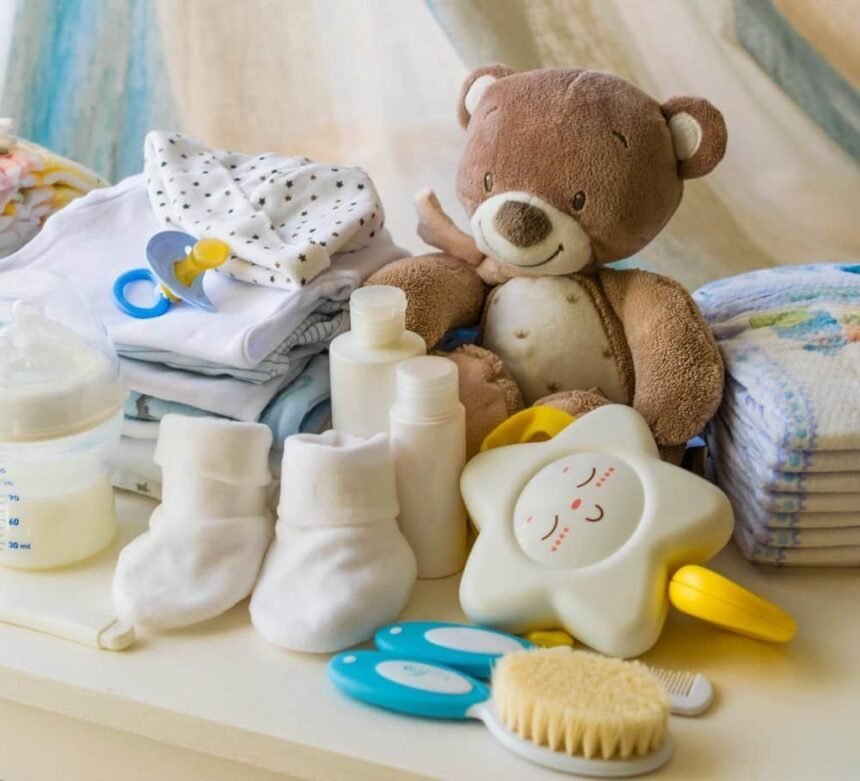
Introduction: The Essentials for New Parents
Becoming a parent is undoubtedly one of the most significant and life-altering experiences for individuals. The journey into parenthood is accompanied by an array of challenges and joys, and selecting the right baby products can greatly enhance this experience. From the initial stages of pregnancy to the first few months after birth, new parents must make thoughtful decisions about the items they will need for their baby and themselves.
When it comes to baby products, the vast array of options available can be overwhelming. Essentials such as cribs, strollers, and diapering supplies are just the beginning. It’s imperative for new moms to choose products that not only prioritize the baby’s safety and comfort but also ease the parenting process. Key considerations include the age of the baby, space limitations in the home, budget constraints, and personal lifestyle preferences. The selection of these initial products can impact both the baby’s development and the parents’ well-being.
Moreover, the importance of durable and efficient baby products cannot be overstated. High-quality items are often designed to grow with the child, offering long-term use and sustainability. Parents should also focus on user-friendly designs that save time and effort in day-to-day routines. As they navigate through the essentials, it is essential for parents to keep in mind the balance between functionality and style, ensuring that the chosen products integrate seamlessly into their lives.
This blog post will explore various must-have baby products every new mom should consider, guiding parents through the essential choices that cater to the needs of both children and caregivers. By understanding the importance of these decisions, new parents can better prepare themselves for this profound journey with their little one.
Safety First: Choosing Safe Baby Products
Ensuring the safety of baby products is a priority for every parent. Various safety features and standards are essential when selecting items for your infant. When choosing baby products, it is crucial to look for industry certifications that indicate adherence to safety regulations. For instance, products with the ASTM (American Society for Testing and Materials) certification have been tested for quality and safety, providing reassurance for parents.
Many baby products, such as cribs, car seats, and toys, must meet specific safety standards. The Juvenile Products Manufacturers Association (JPMA) certification is another valuable indicator that the product has adhered to safety guidelines. It’s wise for parents to check for these labels before making a purchase, as they can be a reliable signal of a product’s compliance with safety protocols.
Alongside official certifications, it is also essential to inspect the product’s design for inherent safety features. For example, cribs should have slats spaced correctly to prevent entrapment, and toys must not contain small parts that pose a choking hazard. Furthermore, when considering car seats, parents should ensure that the product is suitable for their child’s weight and age and complies with the latest safety recommendations.
In addition to certifications and safety features, adopters of baby products should stay informed about recalls. Websites such as the Consumer Product Safety Commission (CPSC) provide valuable information regarding any product recalls, helping parents to stay updated and make safe choices. Additionally, when selecting used products, parents should verify that they conform to current safety standards, as older products may not meet modern safety requirements. Taking these precautions ensures that children are safer and parents can have peace of mind.
Must-Have Baby Gear: Strollers and Car Seats
Selecting the right strollers and car seats is crucial for new parents, as they not only ensure safety but also enhance the overall experience of parenting. Strollers come in various types, including traditional, lightweight, jogging, and travel systems. Each type serves different needs depending on lifestyle and preferences. For instance, lightweight strollers are ideal for parents who frequently use public transport or navigate tight spaces, while jogging strollers cater to active parents who enjoy running and outdoor activities.
When choosing a stroller, safety features such as a five-point harness, reliable braking systems, and a sturdy frame are essential. Other considerations include weight, size when folded, and storage options, as parents often need to carry essentials while on the go. Additionally, it’s advisable to look for models with a comfortable seat angle and ample padding for prolonged usage.
Car seats, on the other hand, are vital for ensuring a child’s safety in vehicles. The types include rear-facing infant seats, convertible seats that can transition as the child grows, and booster seats for older children. Experts strongly recommend keeping infants in rear-facing seats for as long as possible due to the additional safety it provides during collisions.
Features to consider when selecting a car seat include ease of installation, safety ratings, and the seat’s ability to grow with your child. Brands such as Chicco, Britax, and Graco are recognized for their commitment to safety and comfort, offering products that undergo rigorous testing to meet safety regulations.
In summary, investing in high-quality strollers and car seats is essential for the safety and comfort of your baby. It is advisable to thoroughly research and consider individual needs when selecting the most suitable options, focusing on reputable brands that prioritize these aspects.
Feeding Essentials: Bottles, Breast Pumps, and More
When it comes to feeding newborns, having the right products can make a significant difference for both the baby and the parents. One of the most essential items for any new mom is a quality baby bottle. The variety of bottles available, such as anti-colic bottles, glass bottles, and silicone bottles, ensures that every parent’s preferences and needs can be met. Opting for BPA-free materials is crucial, as it ensures safety and comfort during feeding time.
In addition to bottles, breast pumps are another vital product for breastfeeding mothers. A breast pump allows moms to express milk efficiently, enabling them to store it for later use or share feeding duties with partners. Manual and electric pumps are popular choices, and many models are designed to mimic a baby’s natural feeding patterns, making the process more effective and comfortable.
Bibs are also a must-have feeding essential as they help keep babies clean during meals. With various styles available—such as silicone, cloth, and disposable options—choosing bibs that are easy to clean, comfortable, and effective in trapping spills is important. Furthermore, having a designated feeding area equipped with high chairs, mats, and toys can help create a pleasant eating environment.
Moreover, portable feeding solutions, such as travel bottle warmers and insulated food containers, are invaluable for on-the-go parents. These tools facilitate convenient feeding while ensuring that the milk or baby food remains at an optimal temperature.
In conclusion, the right combination of feeding essentials, including high-quality bottles, effective breast pumps, and practical bibs, can greatly enhance the feeding experience for both infants and their caregivers. Investing time and effort in selecting the right products will surely pay off, making feeding times more enjoyable and less stressful.
Diapering Necessities: Diapers, Wipes, and Changing Stations
Diapering is a fundamental aspect of caring for an infant, and having the right supplies is essential for both the baby’s comfort and the parent’s convenience. Two primary types of diapers are commonly used: cloth diapers and disposable diapers. Each option has its own set of benefits. Cloth diapers are reusable, eco-friendly, and often considered more economical in the long run. On the other hand, disposable diapers offer convenience and ease of use, making them a preferred choice for many busy parents.
When selecting diapers, parents should consider factors such as absorbency, fit, and materials used, as these aspects significantly affect a baby’s comfort and skin health. Additionally, the choice of diaper rash cream can also play an essential role in preventing and treating diaper rash. A high-quality diaper rash cream can provide a protective barrier against moisture and irritation, greatly minimizing the likelihood of skin discomfort.
Diaper wipes are another crucial component of effective diapering. Wipes come in various formulations, including unscented and hypoallergenic options, catering to different skin sensitivities. Selecting wipes that are both gentle and effective is essential for maintaining the baby’s hygiene and comfort during changes.
Establishing a functional changing station is equally important in the diapering process. This designated space should be stocked with all the necessary items, including diapers, wipes, creams, and a changing mat, to streamline changes and minimize stress. Having an organized diapering station can significantly improve the efficiency of diaper changes, ensuring that parents can promptly address their baby’s needs.
In conclusion, ensuring you have the right diapering necessities—diapers, wipes, and a well-organized changing station—can make a considerable difference in the daily care of an infant. By choosing the right products and optimizing their use, parents can create a more comfortable environment for their little ones.
Bath Time: Choosing the Right Bath Products
Bath time is a cherished ritual for many families, providing an opportunity for bonding and establishing routines. However, selecting the right bath products for your baby is essential for safety and enjoyment. A well-chosen baby bathtub is a fundamental starting point. There are various designs available, including sling-style tubs for newborns, inflatable tubs for travel, and transition tubs that can grow with your child. Each type has its unique benefits, and evaluating your needs will guide you to the best choice.
When it comes to cleansing products, opt for gentle shampoos and body washes formulated specifically for infants. These products are typically free from harsh chemicals and fragrances that could irritate your baby’s sensitive skin. Look for no-tear formulas that can make hair washing a more comfortable experience. It’s advisable to check for hypoallergenic and pediatrician-recommended brands to ensure you are using skin-safe products.
Bath toys can also enhance your baby’s bathing experience. Soft, floating toys can keep your child entertained while encouraging motor skills and hand-eye coordination. However, it is crucial to choose toys that are free from small parts and designed for easy cleaning to prevent mold and mildew from forming inside. Regularly inspect these toys for any signs of wear and tear, replacing them as needed to maintain a safe bathing environment.
Establishing a consistent bathing routine can also help your child feel secure and comfortable. Choose a time of day that works best for both you and your baby—whether it’s in the morning to wake them up or in the evening as part of the winding down process. Incorporating calming accessories such as a soft washcloth or gentle lullabies can further create a soothing atmosphere.
Clothing and Sleep Gear: Dressing Your Baby Comfortably
Choosing the right clothing for your baby is essential for ensuring comfort and safety. Babies spend a significant amount of time sleeping, so selecting appropriate sleep gear is equally important. Parents should focus on materials that are soft and breathable to provide maximum comfort for their delicate skin. Natural fabrics such as cotton are often recommended for baby clothing as they are gentle and allow the skin to breathe.
When dressing your baby, it is crucial to consider the seasons. In colder months, layering is key to keeping your baby warm without overheating. A good base layer would be a onesie, which can be paired with a sleep sack or swaddle. Sleep sacks provide a safe sleeping environment and eliminate the need for loose blankets, which can pose suffocation risks. Depending on your baby’s sleep sack, be sure to check the TOG rating to determine if it is suitable for the current temperature.
During warmer months, it’s advisable to dress your baby in lightweight clothing that still offers protection. Lightweight cotton onesies or rompers are great options for daytime outings. Opt for outfits that allow ease of movement and are easy to put on and take off, especially when changing diapers. Furthermore, pay attention to the fit of your baby’s clothes. They should not be too tight, which could restrict movement or cause discomfort, yet should not be overly loose, as this can pose safety risks.
Ultimately, the general rule is to adhere to a comfortable dressing system, ensuring your baby is neither too hot nor too cold. By selecting practical and safe clothing and sleep gear, you can contribute to your baby’s overall well-being and comfort.
Toys and Developmental Products: Encouraging Growth
Toys play a pivotal role in infant development, acting not only as tools for entertainment but also as essential instruments for cognitive, physical, and emotional growth. From the moment a baby is born, interaction with toys fosters crucial skills that aid in their developmental milestones. Selecting toys that are age-appropriate, safe, and stimulating can make a significant difference in a child’s early learning experiences.
For newborns, toys that are colorful and textured can capture their attention while promoting sensory exploration. Soft plush toys or colorful rattles can be safely held and squeezed, stimulating a baby’s tactile senses and encouraging hand-eye coordination. As infants progress into the six-month mark, incorporating toys that promote reaching and grasping can support fine motor skills development.
When toddlers enter the picture, the need for toys that promote imaginative play becomes paramount. Blocks, stacking toys, and shape sorters encourage problem-solving capabilities and cognitive processing. These toys allow for creative exploration while instilling basic concepts of physics and geometry in a fun, engaging manner. Parents should also consider toys that support gross motor skills, such as push-and-pull toys, which not only encourage walking but also enhance balance and coordination.
Safety is of utmost importance when selecting toys for infants and toddlers. Parents need to ensure that all toys are made from non-toxic materials, especially those that may end up in a child’s mouth. Checking for age recommendations on packaging can help in making informed choices. In addition to traditional toys, incorporating developmental products like activity gyms or play mats can further enrich a baby’s environment. Such items encourage tummy time and provide varied textures and sounds that are essential for sensory development.
Ultimately, the right toys can enhance brain development, social skills, and creativity in a nurturing manner. By considering a variety of safe and educational toys suitable for different stages of growth, parents can effectively support their child’s developmental journey.
Conclusion: Navigating the World of Baby Products
As new parents embark on the exciting yet overwhelming journey of caring for their infant, having the right baby products can greatly ease the transition. Throughout this blog post, we have explored essential items that not only enhance safety but also promote convenience in daily routines. From strollers and cribs to feeding essentials and diapering aids, the wide array of products available can significantly impact a baby’s development and the overall parenting experience.
One critical takeaway is the importance of researching and selecting products based on rigorous safety standards. The market offers a plethora of options, and it is vital for parents to choose items that prioritize their child’s well-being. Additionally, ease of use is another significant aspect to consider. Products that simplify tasks can save time and reduce stress, allowing parents to focus more on enjoying moments with their little one. For example, ergonomic baby carriers or easy-to-clean high chairs can be indispensable tools in a parent’s toolkit.
Furthermore, understanding individual baby needs is paramount. Each child is unique, and what may work well for one may not suit another. It is essential for parents to remain flexible and adapt to the specific preferences and requirements of their baby. This customization not only fosters a nurturing environment but also helps in building a trusting bond between the parent and child.
Ultimately, navigating the world of baby products involves making informed choices that prioritize both safety and convenience. By embracing this approach, parents can equip themselves with the necessary tools to meet the challenges of parenthood while cherishing the many joys it brings. Taking the time to invest in suitable products will undoubtedly make for a more enjoyable and manageable parenting journey.