
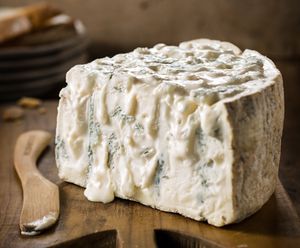
If you’re a cheese enthusiast, get ready to embark on a flavorful journey with Masgonzola. This exquisite cheese is not just any ordinary dairy delight; it’s a creamy, tangy masterpiece that takes your palate to new heights. With its rich history and unique production methods, Masgonzola has become a go-to choice for gourmet lovers everywhere. Whether you’re drizzling it on pasta or enjoying it with crackers, this cheese brings joy in every bite. Let’s dive into the world of Masgonzola and discover what makes this cheese lover’s dream come true.
History and origins of Masgonzola
Masgonzola is a cheese steeped in rich history, tracing its roots back to Italy. It emerged centuries ago, likely during the medieval period. Artisan cheesemakers crafted it in the northern regions, particularly around Lombardy.
The name Masgonzola derives from Gorgonzola, a town known for its famed blue cheese. However, Masgonzola boasts unique characteristics that set it apart from its more famous cousin.
Traditionally made from cow’s milk, this cheese reflects the pastoral lifestyle of Italian farmers who cherished local ingredients and time-honored techniques. Over generations, recipes evolved as artisans experimented with aging processes and flavor profiles.
As trade routes expanded throughout Europe, so did Masgonzola’s popularity. Its creamy texture and distinct taste captured the hearts of many culinary enthusiasts beyond Italy’s borders—making it a beloved staple on charcuterie boards worldwide today.
How is Masgonzola made?
Masgonzola begins its journey with high-quality cow’s milk. The process starts by warming the milk, then adding cultures and rennet to initiate curd formation. This step is crucial for developing the cheese’s unique texture.
Once the curds are formed, they’re cut into small pieces. This allows whey to escape, creating a firmer consistency. After cutting, the curds are gently stirred and heated further to encourage moisture release.
Next comes an essential part: aging. Masgonzola is placed in special caves or cellars where it develops flavor over weeks or months. During this time, artisans monitor humidity and temperature carefully.
Penicillium mold is introduced at key moments to create those characteristic blue-green veins that dance through each wedge of cheese. The result? A rich masterpiece bursting with flavor ready for your palate!
Flavor profile and variations of Masgonzola
Masgonzola offers a rich and complex flavor profile that captivates the palate. Its creamy texture makes each bite a delightful experience. The cheese carries notes of sharpness, balanced by a subtle sweetness.
Variations of Masgonzola can surprise even seasoned cheese enthusiasts. Some versions are aged longer for an intensified taste, resulting in deeper blue veining and more pronounced flavors. Others may be produced with different milks—cow, sheep, or goat—creating unique nuances in taste and aroma.
Pairing this versatile cheese invites creativity. Whether enjoyed on its own or as part of a gourmet platter, Masgonzola adds sophistication to any dish. It harmonizes beautifully with fruits like figs and pears while also complementing robust meats such as prosciutto.
Each variation tells its own story through flavor, allowing cheese lovers to explore endless culinary possibilities.
Pairing suggestions for Masgonzola
Masgonzola is a versatile cheese that pairs beautifully with various foods and beverages. Its creamy texture and bold flavors offer endless possibilities for delicious combinations.
For wine lovers, Masgonzola complements rich reds like Cabernet Sauvignon or fruity whites such as Riesling. The sweetness of the wine balances the cheese’s tanginess perfectly.
If you prefer beer, opt for a malty stout or a crisp pilsner. These choices enhance Masgonzola’s unique taste while providing refreshing contrasts.
When it comes to food pairings, consider fresh fruits. Apples, pears, and figs add natural sweetness that offsets the saltiness of the cheese.
Nuts also make excellent companions—walnuts or almonds provide crunch alongside Masgonzola’s creaminess.
For a savory touch, try pairing it with cured meats like prosciutto or salami; their salty notes work in harmony with this delightful cheese.
Recipes using Masgonzola cheese
Masgonzola cheese brings a luxurious touch to any dish. One delightful recipe is Masgonzola stuffed chicken. Simply butterfly your chicken breasts, fill them with creamy Masgonzola, and bake until golden.
For a comforting appetizer, whip up Masgonzola dip. Blend the cheese with cream cheese, garlic powder, and herbs for an indulgent treat served warm alongside fresh vegetables or crispy pita chips.
Another crowd-pleaser is pasta carbonara enhanced by crumbled Masgonzola instead of traditional pecorino. The rich flavor perfectly complements the smoky pancetta and egg mixture.
Don’t forget about salads! Crumble some Masgonzola over mixed greens with walnuts and pears for a deliciously balanced dish that’s perfect for lunch or dinner.
Each recipe celebrates the unique taste of this exquisite cheese while delivering memorable culinary experiences. Enjoy experimenting in your kitchen!
Where to find and buy Masgonzola cheese
Finding Masgonzola cheese can be an exciting adventure for any cheese enthusiast. Specialty cheese shops are often the best starting point. These stores typically stock a variety of artisanal cheeses, including this delightful gem.
Online retailers have also made it easier to get your hands on Masgonzola. Websites dedicated to gourmet foods and cheeses frequently offer this product with delivery options straight to your door.
Farmers’ markets may surprise you too. Local producers sometimes showcase unique cheeses that aren’t available in regular grocery chains.
Don’t forget about high-end grocery stores; some carry premium imported cheeses where Masgonzola might just be waiting for you in their dairy section.
Exploring local restaurants could lead to unexpected finds as well, as chefs love incorporating distinctive flavors into their dishes. Keep an eye out!
The health benefits of consuming Masgonzola
Masgonzola is not just a flavorful addition to your cheese platter; it also boasts several health benefits. This creamy blue cheese is rich in essential nutrients that can contribute positively to your diet.
Packed with protein, Masgonzola supports muscle growth and repair. It’s also an excellent source of calcium, promoting strong bones and teeth while aiding in overall bone density.
Additionally, the probiotics found in this cheese can enhance gut health. They help maintain a balanced microbiome, which is vital for digestion and immunity.
Masgonzola contains healthy fats that provide energy and support heart health when consumed in moderation. The presence of vitamins A, D, and B12 further complements its nutritional profile.
Incorporating Masgonzola into meals allows you to enjoy these advantages while indulging in its distinctive flavor.
Conclusion: Why every cheese lover needs to try Masgon
Masgonzola is more than just another cheese; it’s a culinary adventure waiting to be explored. Its rich history and unique flavor profile make it a standout choice for any cheese platter or dish. The process of making Masgonzola showcases the art and tradition behind this delightful cheese, ensuring that each bite tells a story.
The versatility of Masgonzola means you can enjoy it in countless ways—whether crumbled over salads, melted into sauces, or as the star ingredient in your favorite recipes. Pairing it with complementary flavors enhances its taste and elevates your dining experience.
For those looking to add something special to their meals, Masgonzola offers an array of health benefits too. It provides essential nutrients while satisfying cravings for something indulgent.
With so many reasons to love this remarkable cheese, every cheese enthusiast should seek out Masgonzola at local markets or specialty shops. Embrace its creamy texture and bold flavors; it’s sure to become a cherished addition to your culinary repertoire. Don’t miss the chance to indulge in this exquisite creation that promises satisfaction with every bite!