
Understanding the Importance of Choosing the Right Crib
Choosing the right crib for your baby is a decision that carries significant implications for both the child’s safety and overall well-being. A crib serves as the primary sleep environment for an infant, making its selection critical in establishing habits that can influence long-term sleep quality. The right crib should not only meet safety standards but also provide comfort that promotes peaceful sleep.
One of the primary concerns in selecting a crib is safety. Cribs must adhere to strict safety regulations to ensure that they do not pose hazards to infants. For instance, proper spacing between crib slats is essential; this prevents the possibility of a baby getting stuck or falling out. Additionally, cribs should be free from harmful materials, ensuring the environment is safe for a child who spends much of their time sleeping or resting in the crib.
The choice of crib can also affect a parent’s experience, particularly in managing night-time routines. A well-designed crib facilitates ease of access for parents, making it simpler to attend to the baby during nighttime awakenings. It is important to select a crib that provides adequate height and functionality, to prevent undue strain while tending to the infant.
Moreover, the aesthetic and functional aspects of the crib contribute to a nurturing environment. A crib that complements a nursery’s decor can enhance the overall ambiance, while also being practical enough to suit a family’s day-to-day needs. As parents invest in a crib, they should consider durability; a quality crib can serve multiple children, extending its value beyond the first few years. Selecting the right crib, therefore, positively impacts the child’s early development and contributes to smoother parenting experiences.
Types of Baby Cribs Available in the Market
The market offers a variety of baby cribs, each designed to meet different parenting needs and preferences. Understanding the types available is crucial for making an informed choice. The most common types include traditional wooden cribs, portable cribs, convertible cribs, and bassinets.
Traditional wooden cribs are often considered the classic choice for nursery furniture. These sturdy, durable cribs are usually made from solid wood and offer a timeless aesthetic that fits well with various décor styles. They typically feature adjustable mattress heights, allowing parents to lower the mattress as their child grows. However, they are not easily movable, making them less suitable for parents who may wish to relocate the crib frequently.
Portable cribs, also known as travel cribs, are designed for convenience. They are lightweight and can be easily folded, making them ideal for travel or smaller living spaces. While they provide a safe sleeping environment, parents should ensure these cribs meet safety standards set by organizations such as the Consumer Product Safety Commission (CPSC). Portable cribs often lack some of the sturdiness of traditional options but offer significant flexibility.
Convertible cribs offer a versatile solution by transforming from a crib into a toddler bed or even a full-sized bed over time. This type of crib is an economical choice, allowing parents to invest in one piece of furniture that grows with their child, extending its usefulness. It is essential to verify the crib’s conversion capabilities and weight limits to ensure long-term safety.
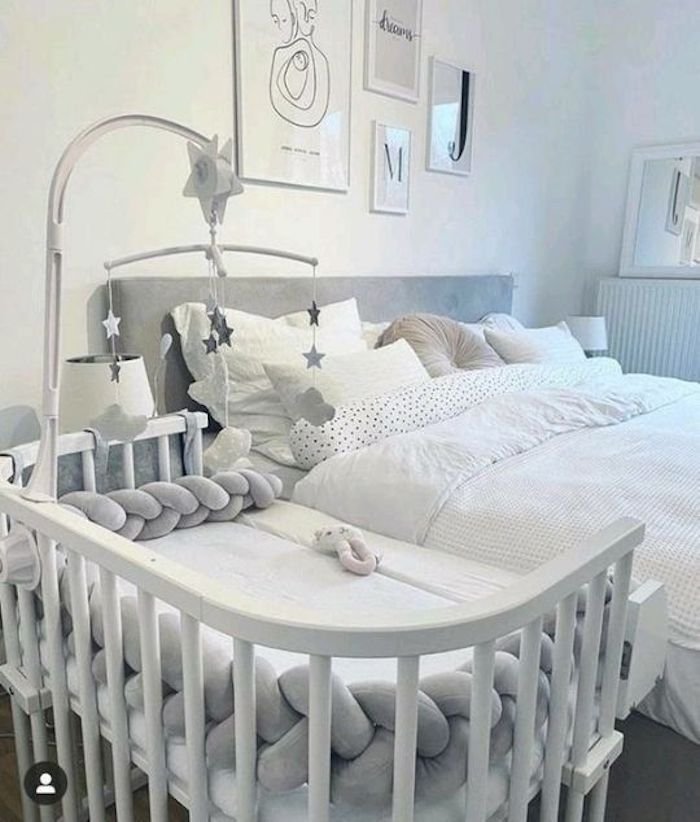
Bassinets, on the other hand, serve as a temporary sleeping space for newborns. These smaller beds are often more portable than cribs and are designed for the early months when infants are most vulnerable. Bassinets come with features like rocking capabilities and can be an excellent bedside option for parents during the initial stages of parenthood.
In summary, each type of crib has distinct features and benefits that cater to different lifestyles and needs. Evaluating your circumstances will help you choose the right crib designed for your baby’s safety, comfort, and convenience.
Key Safety Standards and Regulations
When selecting a baby crib, understanding the safety standards and regulations is paramount to ensure your child’s well-being. The U.S. Consumer Product Safety Commission (CPSC) outlines comprehensive guidelines for cribs, mandating that all models produced after June 2011 comply with stringent safety requirements. These regulations aim to reduce accidents and injuries arising from poorly designed or manufactured cribs.
Additionally, the American Society for Testing and Materials (ASTM) sets out detailed testing standards for cribs, encompassing various aspects such as construction, materials used, and functional performance. ASTM standards help to assess the durability and safety of cribs, ensuring that they can withstand the wear and tear that comes with regular use. Cribs must pass these tests to be certified as safe for infants.
Key safety features to consider when evaluating a crib include a sturdy construction with no loose parts, a slatted design that prevents any risk of entrapment, and a mattress that fits snugly in the crib frame. The distance between slats should not exceed 2 3/8 inches, preventing the baby’s head from slipping through. Furthermore, ensure that the crib has a stable base that does not wobble or shift easily, as stability is critical for safety.
It is also advisable to avoid cribs with drop-side rails, which have been banned since 2011 due to severe safety concerns. Instead, opt for fixed-side cribs where the sides do not move, reducing the risk of accidental injury while lifting the baby in or out. By adhering to CPSC and ASTM standards, parents can choose cribs that not only provide comfort but also ensure a safe sleeping environment for their infants.
Essential Features to Look for in a Baby Crib
When selecting a baby crib, it is crucial to consider several essential features to ensure safety, functionality, and convenience. One of the most important aspects to examine is mattress size compatibility. Standard crib mattresses typically measure 28 inches by 52 inches; therefore, ensure that the crib you choose adheres to these dimensions to prevent gaps where an infant might become trapped.
Another vital feature is height adjustability. A crib that offers adjustable mattress heights allows parents to lower the mattress as the child grows, reducing the risk of falls when they learn to stand. Most cribs come with multiple height settings, and selecting one that accommodates your needs will greatly improve usability and safety for both parent and child.
Ease of assembly is also a consideration that should not be overlooked. Cribs that are complicated to assemble may pose safety risks if not properly constructed. Look for cribs that provide clear instructions, all necessary tools, and have a sturdy design. This will ensure that the crib is safe for your baby and minimizes the potential for errors during setup.
In addition to these core features, consider additional functionalities, such as built-in storage for baby essentials or the option for folding mechanisms. Cribs with storage can help organize the nursery, while folding cribs provide flexibility, particularly in smaller spaces or for travel purposes. Evaluating these options can tailor your choice to better fit your specific requirements.
The Importance of Proper Mattress Selection
Selecting the right mattress for your baby’s crib is a pivotal decision that directly impacts your child’s safety and comfort. A suitable crib mattress should predominantly feature adequate firmness, which is essential for the safety of infants. Firm mattresses help reduce the risk of suffocation and Sudden Infant Death Syndrome (SIDS), providing a stable surface that supports the infant’s developing body. Therefore, when evaluating potential mattress options, ensure that it has minimal indentations and sufficient resistance when pressure is applied.
Various materials are available for crib mattresses, each offering distinct advantages. For instance, innerspring mattresses provide excellent support with their coil systems, while foam mattresses are lightweight and can conform to the baby’s shape. Additionally, organic mattresses are becoming increasingly popular due to their environmentally friendly materials and lack of harmful chemicals, making them a safe choice for sensitive skin. Whichever material you prefer, it is crucial to check for certifications that indicate the absence of toxic substances.
Moreover, ensuring a proper fit between the crib and mattress is vital to maintaining a safe sleeping environment. A well-fitted mattress should snugly fill the crib with no gaps around the edges, minimizing the risk of entrapment. To achieve this, you must carefully measure the interior dimensions of the crib before purchasing a mattress. Most crib mattresses are designed to fit standard-sized cribs, but variations in dimensions can occur. Always test the fit by attempting to insert two fingers between the mattress and the crib frame; if it is too easy, consider opting for a better-fitting alternative. Proper mattress selection not only enhances safety but also contributes to a more restful sleep for your infant.
Budgeting for Your Baby Crib Purchase
When it comes to selecting the perfect baby crib, budgeting is a crucial initial step that should not be overlooked. Baby cribs are available in a wide range of price points, from economical models to high-end designer options, which can make the decision process overwhelming for new parents. Understanding the typical price range can help guide your choices while ensuring the safety and comfort of your baby.
Standard cribs typically range from $100 to $600, with most falling in the $200 to $300 bracket, striking a balance between affordability and quality. On the lower end of the spectrum, cribs that adhere to safety standards and are made from durable materials can be found, offering essential features without breaking the bank. Conversely, premium cribs, which may feature enhanced aesthetics or convertible designs, can cost upwards of $800. It’s important to evaluate what features are essential for your family’s needs versus those that may be considered extras.
Setting a budget for your baby crib involves more than just the initial purchase price; consider longevity and functionality as additional factors. Many cribs are convertible, designed to adapt from a crib to a toddler bed, which can prolong its use. Factors like brand reputation, safety certifications, and materials used should also play a role in determining where your financial limits lie. Spending a bit more initially for a crib that meets safety standards and has a longer lifespan can ultimately contribute to its value.
By carefully considering these aspects and aligning them with your budget, you can make an informed decision that reflects both safety and economic sensibility during your crib purchase journey.
Eco-Friendly and Sustainable Crib Options
In recent years, parents have increasingly recognized the importance of making environmentally conscious decisions when it comes to their baby’s nursery. Selecting an eco-friendly crib is one essential way to contribute to a more sustainable planet while ensuring your child’s safety and comfort. These cribs are often made from sustainable materials such as bamboo, which is rapidly renewable and known for its durability. Bamboo cribs not only provide a sturdy resting space for infants, but they also help reduce deforestation, making them a responsible choice for eco-aware parents.
Another critical aspect of environmentally friendly cribs is the use of non-toxic finishes. Standard cribs may be treated with various chemicals or finishes that can release harmful VOCs (volatile organic compounds) into the air. By choosing cribs that are finished with water-based paints or organic materials free from synthetics, parents can create a healthier sleeping environment. Certifications, such as GREENGUARD Gold, ensure that the crib meets rigorous standards for low emissions and is safe for children.
Additionally, opting for second-hand cribs is an excellent sustainable choice. This not only saves money—an attractive option for many parents—but also reduces waste by extending the life of a product that might otherwise end up in a landfill. Parents should ensure that a used crib meets current safety standards, as regulations can change, and older models may not be compliant. Furthermore, inspecting the crib for wear and tear is vital to maintain safety for your child.
By considering eco-friendly and sustainable crib options, parents can significantly impact their child’s environment while ensuring safety and comfort. These choices contribute positively to the planet and instill a sense of responsibility about sustainability in future generations, promoting mindful consumption practices.
Tips for Setting Up the Crib Safely
Setting up a crib safely is essential for ensuring your baby’s well-being and creating a secure sleep environment. Start by selecting an appropriate location for the crib. It should be in a quiet, low-traffic area of your home, away from direct sunlight, heating vents, or windows, which may pose risks due to drafts or overheating. Ensure the crib is positioned away from cords or strings from blinds or curtains that could pose a strangulation hazard.
When setting up the crib, make sure to choose a model that meets current safety standards set by recognized organizations. Check for any loose or missing parts, as well as sharp edges or splinters that could endanger your baby. The slats of the crib should be no more than 2 3/8 inches apart to prevent any risk of the baby slipping through and becoming trapped.
To maintain a safe sleeping environment, keep the crib free from any pillows, blankets, or stuffed animals, particularly in the first year. Instead, use a fitted sheet specifically designed for the crib mattress to reduce the risk of suffocation. Furthermore, periodically inspect the crib to ensure that it remains stable and secure. As your baby grows, adjust the crib mattress height according to their developmental stage. For infants, the highest setting is safest, as it allows for easier access, while older babies might require a lower position to prevent climbing out.
Finally, always follow your pediatrician’s guidelines regarding sleep practices and familiarize yourself with any recommendations related to reducing the risk of Sudden Infant Death Syndrome (SIDS). By prioritizing safety during crib setup, you can provide a nurturing and secure environment for your newborn’s sleep.
Transitioning from Crib to Bed: When and How
Transitioning a child from a crib to a bed is a significant milestone that each family approaches at their own pace. Typically, this transition occurs between the ages of 2 to 3 years, although the exact timing can vary based on each child’s developmental readiness and temperament. Signs that indicate it may be time to consider this change include the child attempting to climb out of the crib, showing a desire for independence, or becoming uncomfortable in the crib due to size constraints.
Once the decision to transition is made, setting up a conducive environment is essential. Choose a toddler bed or a regular bed with appropriate safety features, such as guardrails to prevent falls. It might also be helpful to involve your child in the selection of bedding or decor to foster a sense of ownership and excitement about the new sleeping arrangement.
To ease the transition, parents can implement strategies like maintaining a consistent bedtime routine that includes calming activities, such as reading or soft music. This familiarity can help mitigate anxiety. Moreover, providing ample reassurance during this period is crucial; parents should express confidence in their child’s ability to sleep in a bed.
Lastly, it’s important to prepare for potential setbacks. Children may experience disruptions to their sleep patterns as they adjust to this new arrangement. Patience and understanding are key during this transition, as parents reinforce that their child is safe and loved in their new bed. By approaching this significant change with care and assurance, families can navigate this phase smoothly and set the foundation for future sleeping arrangements.