
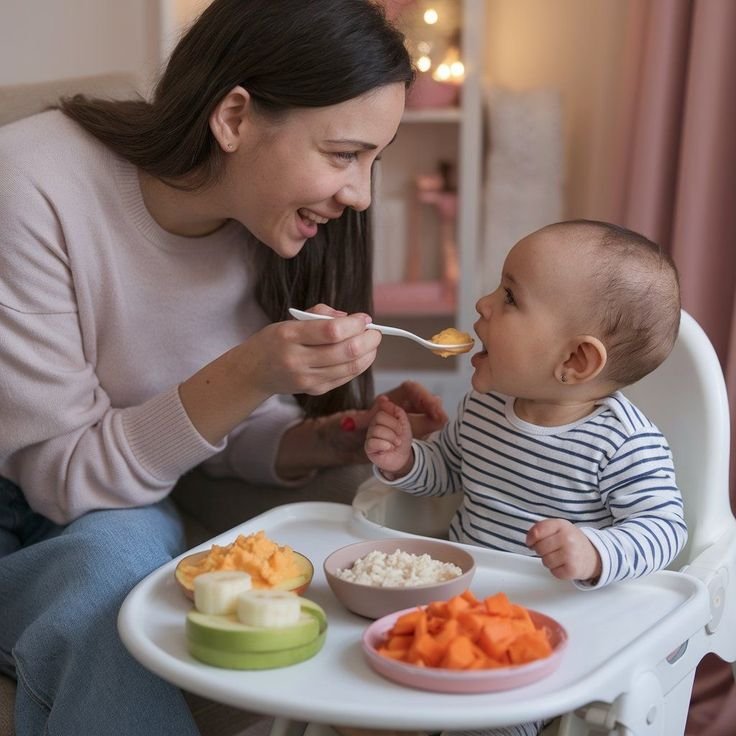
Introduction to Homemade Baby Food
Introducing solid foods to babies is a significant milestone in their early development. In recent years, the trend of making homemade baby food has gained popularity among parents seeking to provide their infants with nutritious and wholesome meals. Homemade baby food not only allows for better control over the ingredients but also offers numerous benefits when compared to store-bought options.
One of the primary advantages of homemade baby food is its superior nutritional value. Parents can choose fresh, organic produce, ensuring that their babies consume meals devoid of preservatives, artificial flavors, and added sugars. Opting for homemade alternatives empowers parents to incorporate a variety of fruits and vegetables, promoting a well-rounded diet tailored to their baby’s evolving tastes and dietary needs.
Cost-effectiveness is another significant factor that makes homemade baby food appealing. While commercial baby food can be expensive, preparing meals at home is far more economical. Ingredients such as fruits, vegetables, and grains can be purchased in bulk, resulting in substantial savings over time. This also allows parents to prepare larger batches, simplifying the feeding process for busy households.
Another compelling reason to consider homemade baby food is the ability to customize recipes. Each baby is unique and may have particular food preferences or dietary restrictions. By preparing food at home, caregivers can easily experiment with different flavors and textures—keeping in mind allergy concerns and nutritional balance. This level of customization not only enhances the baby’s mealtime experience but also helps facilitate the development of healthy eating habits from an early age.
In conclusion, transitioning to homemade baby food can be an enriching experience for both the parent and child. The focus on nutrition, cost, and customization makes homemade baby food a worthy consideration for any caregiver aiming to provide the best foundation for their little one’s health and development.
Why Choose Homemade Baby Food?
Choosing homemade baby food is becoming increasingly popular among parents who seek to provide their infants with the most nutritious start possible. One of the primary advantages of making baby food at home is the control it affords parents over the ingredients used. When preparing meals from scratch, parents can select fresh and organic fruits and vegetables, ensuring that their babies consume high-quality nutrients without any harmful chemicals. This level of control can significantly enhance the nutritional value of the food, aligning with the individual dietary needs and preferences of the family.
Another merit of homemade baby food is the substantial reduction of preservatives and additives commonly found in commercially prepared options. Many store-bought baby foods may contain artificial saborings, thickening agents, and preservatives intended to prolong shelf life. By making baby food at home, parents can avoid these unnecessary additives, thus providing a cleaner, healthier alternative. This not only protects infants from the potential risks associated with long-term exposure to these substances but also promotes a more wholesome approach to nutrition.
Beyond health considerations, there is an undeniable satisfaction that comes from preparing meals for one’s child. The act of creating homemade baby food can strengthen the bonding experience between parent and child and instill a sense of accomplishment. It allows parents to experiment with varied flavors and textures, introducing their babies to a diverse range of foods early on. This approach can foster healthy eating habits as children grow, helping to promote a positive attitude towards food and nutrition. Overall, the decision to make homemade baby food is one that can benefit both the physical well-being of the child and the emotional connection within the family.
Essential Equipment for Making Baby Food
Preparing homemade baby food requires a selection of essential tools that streamline the cooking process and ensure the food is safe and nutritious. One of the most important devices is a high-quality blender or food processor. These kitchen gadgets can effectively puree fruits, vegetables, and grains to create smooth textures suitable for infants. When selecting a blender, consider models that offer various speeds and attachments to accommodate different food types.
Another key piece of equipment is a food steamer. Steaming is an excellent cooking method that preserves the nutrients in vegetables and fruits, making it a healthier choice for baby food preparation. Whether you choose a stovetop steamer or an electric one, this equipment is indispensable for softening food to the ideal consistency without losing essential vitamins.
Storage containers also play a critical role in the homemade baby food-making process. Look for BPA-free containers that are suitable for freezing and reheating. Portion-sized containers can help you manage serving sizes, making it easier to prepare meals in batches and store them for later use. Additionally, ice cube trays can serve as practical portioning solutions for freezing pureed foods.
Lastly, consider investing in a set of baby food spoons and a high chair if you haven’t already. These utensils are specifically designed for infants, making feeding easier and more enjoyable. They should be soft, easy to grip, and gentle on a baby’s gums. A high chair provides an appropriate place for your baby to eat, ensuring they are secure and comfortable during mealtimes.
With the right equipment at your disposal, making homemade baby food becomes a simpler and more efficient task, ensuring your baby enjoys nutritious meals tailored to their needs.
Age-Appropriate Baby Food Recipes
When it comes to nourishing your baby, selecting age-appropriate homemade baby food recipes is essential for their growth and development. As infants transition through various stages of eating, the type and texture of the food need to align with their evolving abilities. Below, we categorize recipes based on the age of the child, offering a tailored approach to feeding.
For infants starting around the six-month mark, purees are the ideal starting point. Simple recipes that incorporate single ingredients such as steamed carrots or sweet potatoes can help introduce flavors while ensuring easy digestion. A common blend is a peas and apple puree which provides a delightful mix of sweetness and nutrient-rich vegetables. Incorporating a single grain like rice into these purees can further enhance their nutritional profile.
Once babies reach approximately eight to twelve months old, they can begin exploring mashable foods. Recipes like mashed avocado or banana are not only easy to prepare but also packed with healthy fats and essential vitamins. Another great option at this stage is a finely mashed combination of cooked potatoes and carrots, which offers a balanced mix of carbohydrates and fiber.
As toddlers approach the age of twelve months and beyond, finger foods become a crucial component of their diet. Homemade baby food recipes may include small pieces of soft-cooked vegetables, such as broccoli or zucchini, that toddlers can practice self-feeding. Further, keeping chopped fruits like soft peaches or ripe bananas readily available encourages healthy snacking habits and independence at mealtimes.
By providing age-appropriate options, parents can ensure that their babies receive the nutrients they require at every developmental phase, fostering healthy eating patterns for life.
Basic Puree Recipes for Beginners
Creating homemade baby food can be both rewarding and simple. Starting with basic purees allows parents to introduce their babies to single ingredients while ensuring the food is as nutritious as possible. Below are three fundamental recipes for apple, banana, and sweet potato purees, perfect for beginners.
Apple Puree: Begin by selecting ripe apples, preferably organic for a healthier option. Wash and peel the apples, removing the core and seeds. Cut them into small chunks and place them into a pot filled with water. Cook on medium heat until the apples are soft, typically around 10-15 minutes. After cooking, drain excess water and blend the apples to a smooth consistency. For added flavor, a pinch of cinnamon can be mixed in once pureed. This apple puree can be served warm or cool.
Banana Puree: For a delightful and simple banana puree, choose ripe bananas, as they are naturally sweet. Peel the bananas and slice them into smaller pieces. Utilizing a fork or a food processor, mash or blend the banana until it reaches the desired smoothness. This puree preserves much of its natural sweetness and can be served immediately. For variation, combine it with a bit of yogurt to introduce new flavors and textures.
Sweet Potato Puree: Start by washing and peeling the sweet potatoes. Cut them into small cubes to ensure even cooking. Place the cubes into a pot with water or steam them until tender, about 20-25 minutes. Once cooked, drain any excess water and blend until smooth. Sweet potato puree is rich in vitamins and can be served alone or mixed with other fruits or vegetables for a nutritious meal.
These three basic purees can be stored in an airtight container in the refrigerator for up to three days or frozen for later use. Always ensure the food is at an appropriate temperature before serving it to your baby, and consult with a pediatrician if introducing new foods. With these foundational recipes, parents can confidently begin their homemade baby food journey.
Combining Flavors: Creative Recipes
When it comes to crafting delicious and nutritious homemade baby food, the key lies in the art of combining various flavors. By merging different fruits, vegetables, and grains, parents can create meals that are not only healthy but also enjoyable for their little ones. Here are a couple of inventive recipes along with suggestions on how to balance flavors and textures.
One delightful combination is spinach and pear. Spinach is rich in iron and essential vitamins, while pear adds a natural sweetness and smooth texture. To prepare this puree, steam a handful of fresh spinach leaves until they are tender, and simultaneously peel and chop a ripe pear. Once both ingredients are cooked, blend them together until smooth. This recipe not only provides a solid nutritional base but also offers a delightful green color and a balanced flavor profile, perfect for introducing new tastes to your baby.
Another creative option is quinoa and blueberries. Quinoa is a fantastic source of protein and fiber, while blueberries are bursting with antioxidants. Begin by rinsing the quinoa thoroughly and cooking it as per the package instructions. Once cooked, allow it to cool slightly before blending with fresh or frozen blueberries. The result is a nutritious blend that has a pleasing texture and vibrant color. The slight tartness of the blueberries nicely complements the nuttiness of the quinoa, making it a satisfying meal for your child.
When mixing flavors, consider the texture and taste combinations that appeal to your baby’s palate. Incorporating a variety of fruits and vegetables will not only enhance the taste profile but also expose your child to a wider range of nutrients. Experimenting with flavor pairings can lead to delightful discoveries, ensuring that homemade baby food remains an enjoyable experience for both you and your little one.
Nutritional Considerations for Your Baby
When preparing homemade baby food, it is crucial to understand your baby’s nutritional needs for healthy growth and development. Infants between the ages of four to six months require a well-balanced diet that incorporates essential vitamins, minerals, and food groups to support their growth. At this stage, iron-rich foods are particularly important because babies’ iron stores start to dwindle. Pureed meats, lentils, and iron-fortified cereals are excellent options to fulfill this requirement.
In addition to iron, infants need adequate amounts of protein, which can be sourced from beans, tofu, and poultry. Healthy fats, such as those found in avocados and oils (like olive oil), are also vital as they support brain development. Furthermore, various fruits and vegetables should be included in your baby’s diet as they provide important vitamins, such as vitamin A, C, and K, as well as other antioxidants that promote overall health.
As you introduce new foods to your baby, it’s essential to do so gradually. Starting with single-ingredient purees allows you to monitor for any allergic reactions or sensitivities. After introducing a new food, wait three to five days before adding another new item; this way, if any adverse reactions occur, you can quickly identify the potential culprit. It is recommended to begin with bland vegetables like sweet potatoes and peas, then progress to more complex flavors.
Lastly, always ensure that the homemade baby food is prepared in a sanitary environment, and follow safe food handling practices to prevent contamination. Using fresh ingredients and proper storage methods will enhance the nutritional value of the baby food while safeguarding your baby’s health. By carefully considering these nutritional aspects, you can create balanced meals that satisfy your baby’s dietary requirements.
Storing and Freezing Homemade Baby Food
Storing and freezing homemade baby food properly is essential to preserve its freshness and nutritional value. To begin with, it’s important to use clean, airtight containers or freezer-safe bags to store the food. Glass jars or BPA-free plastic containers are excellent options, as they help prevent any contamination. Moreover, ensure that the containers are labeled with the date and contents, allowing for easy identification later.
When portioning homemade baby food, consider using ice cube trays. This method allows you to freeze small, individual servings, ensuring that you only thaw what you need for each feeding. After the food has frozen solid, transfer the cubes into labeled freezer bags and return them to the freezer. This approach not only saves space but also streamlines meal preparation, making it convenient for busy parents.
In terms of freezing baby food, it’s important to allow the food to cool to room temperature before placing it in the freezer. Rapid cooling helps maintain its integrity and nutrient composition. Furthermore, avoid overfilling containers, as food expands when frozen, which can lead to spills and contamination.
Thawing frozen baby food should also be done with care to ensure safety. Ideally, you can transfer the food from the freezer to the refrigerator a day before use, allowing it to thaw gradually. For faster thawing, place the frozen cubes in a resealable bag and submerge them in a bowl of warm water. It’s essential to never refreeze thawed food, as this may compromise both safety and flavor.
Conclusion and Encouragement
In concluding our exploration of delicious and nutritious homemade baby food recipes, it is vital to reiterate the numerous advantages these preparations offer to both infants and parents alike. Preparing baby food at home allows parents to have complete control over the ingredients, ensuring that their little ones are receiving the highest quality nutrition without the additives often found in commercial products. Moreover, it fosters an intimate and engaging feeding experience, promoting healthier eating habits from an early age.
Experimenting with different fruits, vegetables, and grains opens the door to a world of flavors and textures that can be adjusted to suit the developing palate of your child. The process of making homemade baby food can be an enjoyable family activity, bringing excitement into the journey of transitioning your child to solid foods. The unique experience of blending, pureeing, and presenting food can create a bond between parent and child, setting a foundation for a lifetime of healthy eating habits.
We encourage you to delve into your culinary creativity and try out various combinations to discover what works best for your baby. Don’t hesitate to share your own recipes and experiences with the broader community of parents, as collaboration can lead to new ideas and inspiration for others. By empowering yourself with knowledge and approachability, you can ensure that your child’s dietary journey is both fun and fulfilling.
Ultimately, homemade baby food not only serves as a nourishing option but also becomes a memorable aspect of your child’s early life. Embrace this opportunity to provide your baby with wholesome meals, and watch as their palate grows alongside their development.