
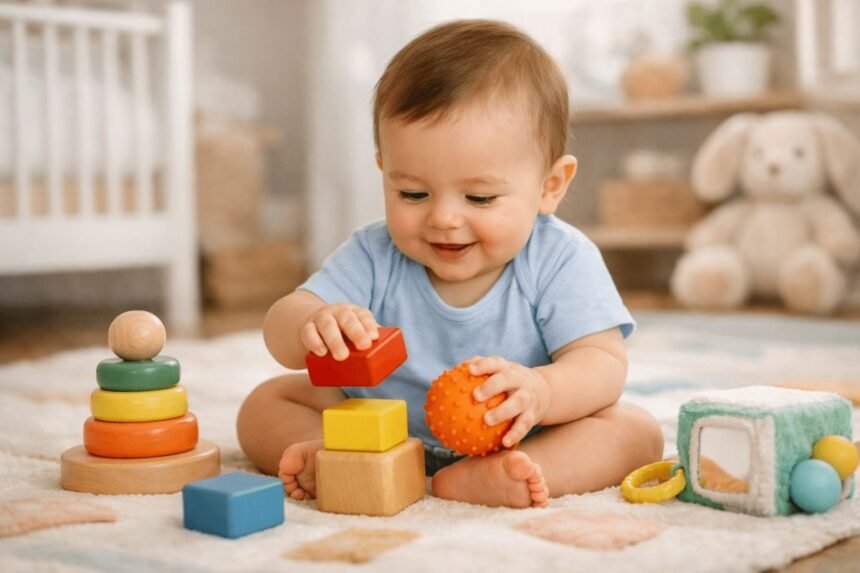
Understanding Baby Development Stages
During the first two years of life, babies undergo remarkable growth and development across three key areas: physical, cognitive, and social. Understanding these stages is crucial for parents and caregivers in order to facilitate appropriate activities that enhance each child’s growth.
The first stage, which spans from birth to approximately 6 months, is characterized by significant physical development. Infants begin to gain control over their movements, starting with reflexes that evolve into purposeful actions. Activities such as tummy time encourage muscle strengthening and coordination, while visually stimulating toys can promote sensory exploration. At this stage, cognitive milestones include the ability to focus on faces and recognize primary caregivers, which sets the foundation for social bonds.
From 6 months to 12 months, babies enter a stage of rapid cognitive and social development. They typically begin to sit, crawl, and even pull up to stand. This is also a time when they start to explore their environment more actively, making it crucial to provide safe spaces for exploration. Interactive activities that involve simple problem-solving, such as stacking blocks or playing peek-a-boo, can stimulate brain development and reinforce social interactions. Hearing familiar words and sounds enhances language acquisition during this period.
Finally, from 12 to 24 months, toddlers continue to refine their physical abilities, often taking their first steps. They also begin to engage in more complex social interactions. Activities that promote sharing and turn-taking are vital for social skills development, while creative play involving shapes and colors supports cognitive growth. Tailoring activities to these different stages—considering both physical and cognitive development—ensures that babies receive the stimulation they need to thrive during their formative years.
Importance of Play in Learning
Play is an essential component of a baby’s overall development, playing a pivotal role in fostering growth and learning. It serves as a primary mechanism through which infants explore their environment, interact with others, and develop crucial cognitive, motor, and social skills. Engaging in play stimulates brain development significantly, particularly during the early months and years when neural connections are rapidly forming. As babies play, they experience various sensory inputs and opportunities for exploration that are vital for cognitive growth.
Notably, play aids in motor skill development, encompassing both fine and gross motor abilities. Activities such as reaching for toys, crawling, or stacking blocks enhance coordination and control over their bodies. These fundamental motor skills are crucial not only for physical development but also for boosting confidence as babies accomplish new tasks. Furthermore, different types of play—such as free play, structured play, and imaginative play—allow infants to hone their creative thinking and problem-solving abilities.
Through play, babies learn to experiment, take risks, and even fail safely, all of which build resilience and independence. Socially, play encourages interaction with peers and caregivers, fostering communication skills and emotional intelligence. Additionally, when infants engage in group play, they learn essential lessons about cooperation and sharing. By incorporating various types of play throughout the day, caregivers can support not just physical and cognitive development, but also emotional and social well-being.
In essence, prioritizing play in a baby’s daily routine is a crucial step in nurturing their holistic development, laying a solid foundation for a lifetime of learning and growth.
Sensory Play Activities
Sensory play refers to activities that stimulate a baby’s senses, including touch, sight, sound, and smell. These experiences are vital for cognitive development as they encourage exploration, promote curiosity, and enhance brain function. Engaging in sensory play activities can have lasting benefits for a child’s growth and learning.
One effective way to promote sensory exploration is through the use of textured materials. Items such as soft fabrics, sponges, and rough surfaces can provide tactile experiences that enhance a baby’s understanding of different textures. Allowing a baby to feel and manipulate these materials can help develop fine motor skills and coordination.
Incorporating musical toys into playtime is another excellent method. Sounds can intrigue babies, making them more aware of their surroundings. Rattles, soft musical instruments, or even household items like pots and wooden spoons can produce engaging sounds. These auditory stimuli can not only entertain infants but also help them recognize different pitches and rhythms, fostering auditory processing skills.
Influencing a child’s sense of smell can be done by introducing safe household items like fruits or scented flowers. Simple activities, such as picking up fresh herbs or smelling fruits, can introduce babies to various scents while enhancing their olfactory senses. This interaction can be both educational and enjoyable, as it allows them to make connections with different smells.
Through these sensory play activities, parents and caregivers can create an enriching environment that nurtures a baby’s curiosity and cognitive development. By offering varied sensory experiences, it is possible to lay a strong foundation for future learning while ensuring enjoyable engagement during playtime.
Physical Activities for Motor Skills Development
Motor skills are crucial for a baby’s growth, laying the foundation for further physical activity and overall development. Engaging in specific physical activities not only aids in motor skills development but also enhances a baby’s coordination, balance, and strength. One essential activity is tummy time, which involves placing a baby on their stomach while they are awake and supervised. This practice encourages babies to lift their heads and eventually push up on their arms, which helps build core muscles and leads to crawling.
Crawling games also play a significant role in developing motor skills. As babies learn to crawl, they engage multiple muscle groups and improve their coordination. Parents can encourage crawling by creating a safe and engaging environment with colorful toys that motivate babies to move. Placing toys just out of reach can stimulate babies to strengthen their crawling skills while providing an exciting challenge.
Reaching exercises are another effective way to promote motor skills. These activities involve placing toys or objects slightly out of reach so that babies practice reaching, grabbing, and pulling. This helps improve hand-eye coordination, as well as the ability to control movements precisely. As babies succeed in reaching for and grasping objects, they develop fine motor skills that are essential for tasks such as feeding themselves and manipulating toys.
Overall, incorporating tummy time, crawling games, and reaching exercises into a baby’s routine can significantly enhance their physical development. These activities not only help improve motor skills but also foster a sense of achievement as babies learn to navigate their surroundings through movement.
Interactive Reading and Storytime
Reading to babies from an early age is not only a cherished bonding experience but also a crucial activity that supports their growth and language development. Engaging in interactive reading and storytime helps to stimulate a baby’s cognitive, emotional, and social skills. To make the most out of storytime, it is essential to select appropriate books that align with their developmental stage.
When choosing books, opt for those that feature vibrant illustrations and simple, repetitive text. Board books and cloth books are particularly well-suited for infants, as they can withstand enthusiastic handling. Books that incorporate textures, flaps, or other tactile elements can also enhance sensory exploration, making the experience more interactive. Furthermore, choosing stories with rhythmic patterns and rhyme can capture a baby’s attention and facilitate language acquisition.
During storytime, it is vital to employ expressive voices to create an engaging atmosphere. Varying your tone, volume, and pace can help convey emotion and aid the baby in understanding character actions and moods. Furthermore, using gestures and facial expressions reinforces the narrative, making it easier for the baby to connect with the story. For example, mimicking the sound of a roaring lion or the rustle of leaves can create a multi-sensory experience that encourages participation.
Encouraging interaction during reading sessions is essential. Ask simple questions, pause for reactions, and point out objects or characters in the illustrations. Engaging babies in this manner fosters curiosity and communication skills, laying the groundwork for verbal development. Overall, interactive reading not only nurtures a love for books but also establishes foundational language skills essential for lifelong learning.
Arts and Crafts for Early Creativity
Engaging in arts and crafts activities is essential for the growth and development of babies, as these projects stimulate creativity while also enhancing fine motor skills. Simple art projects, such as finger painting, can be an ideal introduction to the world of colors and textures. Using non-toxic, washable paints ensures that the activity remains safe, allowing babies to explore their creativity without the risk of harmful substances.
During a finger painting session, caregivers can guide babies to use their fingers to create shapes and patterns on paper. This not only introduces them to the art-making process but also helps develop hand-eye coordination as they practice the motion of painting. The sensory experience of finger painting encourages curiosity, allowing babies to learn through exploration and experimentation.
Another engaging activity is collage-making, which can be easily adapted for babies. Collecting safe materials such as fabric scraps, colorful paper, and magazine cutouts opens up a world of textures and colors for them to explore. Caregivers can help by tearing or cutting these materials into manageable pieces, providing an opportunity for the baby to practice grasping and sticking these items onto a base, like a large piece of cardboard or thick paper. As they glue and arrange the chosen materials, babies refine their motor skills and enjoy the satisfaction of creating something unique.
When presented with the opportunity to manipulate different materials and tools, babies not only enhance their fine motor skills but also cultivate their creative instincts. These art projects can help them express feelings in a safe environment, fostering emotional development alongside their artistic progression. Ultimately, incorporating arts and crafts into a baby’s routine offers profound benefits, laying the groundwork for future creative endeavors.
Music and Movement Activities
Engaging babies in music and movement activities is pivotal for their growth and development. Research indicates that exposure to music and rhythmic movement plays a significant role in enhancing auditory skills and promoting physical coordination. These activities not only foster brain development but also encourage emotional expression and social interaction.
One of the simplest ways to introduce music to infants is through singing nursery rhymes. This activity imparts language skills and helps babies recognize patterns in sounds, which are foundational for their future communication abilities. The rhythmic patterns of nursery rhymes also capture a baby’s attention, encouraging them to respond with coos or movements, thereby strengthening their auditory processing.
Movement is equally important in nurturing physical development. Activities such as dancing allow babies to use their entire bodies, promoting gross motor skills and balance. Infants can be guided through gentle movements that align with the music, such as swaying or clapping. Their natural instinct to move in response to music can be harnessed to create a joyous environment that stimulates both their cognitive and physical growth.
Moreover, incorporating simple musical instruments can further enrich these experiences. Instruments like maracas, tambourines, or even pots and pans can be introduced to encourage babies to explore sounds. These interactions not only enhance their auditory skills but also support hand-eye coordination as they learn to hold and shake instruments in sync with music.
In summary, engaging babies in music and movement activities is essential for their holistic development. Through singing, dancing, and exploring musical instruments, parents and caregivers can provide enriching experiences that significantly contribute to auditory, physical, and social skills essential for their growth and learning.
Social Interaction and Group Activities
Social interaction plays a crucial role in the growth and development of babies. Engaging with peers and caregivers not only stimulates their emotional and cognitive development but also enhances their social skills. Babies learn valuable lessons from observing and interacting with others, which lays a foundation for healthy relationships in the future. Emphasizing group activities can be greatly beneficial during this stage of growth.
One of the most effective ways for babies to hone their social skills is through organized playdates. These gatherings allow infants to meet and interact with other children in a safe and controlled environment. During playdates, infants are encouraged to share toys, take turns, and communicate with their peers, all of which nourish their emotional intelligence. Parents also benefit from these interactions, as they can share parenting tips and experiences, fostering a sense of community.
Participating in local parenting groups is another excellent way to promote socialization among babies. These groups often offer structured activities designed for infants, such as music classes or storytime sessions. Such environments allow babies to experience multi-sensory activities while engaging with other children, creating a sense of belonging. Moreover, caregivers can observe the varying styles of interaction and communication during these sessions, which can enhance their understanding of child development.
Overall, social activities are not merely a pastime; they are essential for a baby’s emotional and social development. By facilitating interaction with peers and caregivers, parents can help foster skills that are vital for their children’s growth. Incorporating playdates and local parenting groups into a baby’s routine can create lasting benefits, promoting both social interaction and emotional resilience.
Creating a Stimulating Environment at Home
Creating a stimulating environment at home is crucial for promoting baby growth and learning. An effective way to begin is by establishing dedicated play areas. These areas should be safe, comfortable, and free of hazards, allowing your baby to explore freely. Ensure that the space is well-organized, using baskets or bins to store toys, which can help in teaching your baby about organization and categorization.
Moreover, rotating toys regularly can significantly enhance a baby’s interest and engagement. Instead of presenting all toys at once, consider introducing a selection of toys each week. This practice not only keeps the environment fresh and exciting but also encourages your baby to revisit toys they may have overlooked, fostering discovery and renewing their curiosity. When selecting toys, opt for those that promote sensory exploration, fine motor skills, and cognitive development.
Incorporating a diverse range of experiences into your baby’s environment is equally important. This can be achieved by exposing them to various textures, sounds, and colors. Simple changes, such as rearranging furniture or adding new items to their play area, can stimulate their senses and encourage exploration. Interactive experiences, such as reading books and playing music, can further enhance learning opportunities, providing a rich tapestry of stimuli that nurtures their curiosity.
Additionally, consider including natural elements in your baby’s environment. Open windows, allowing natural light in, and bringing in plants can create a vibrant and calming atmosphere. Outdoor time is also essential for development, so aim to incorporate daily strolls or outdoor play, which can introduce new sights and sounds.