
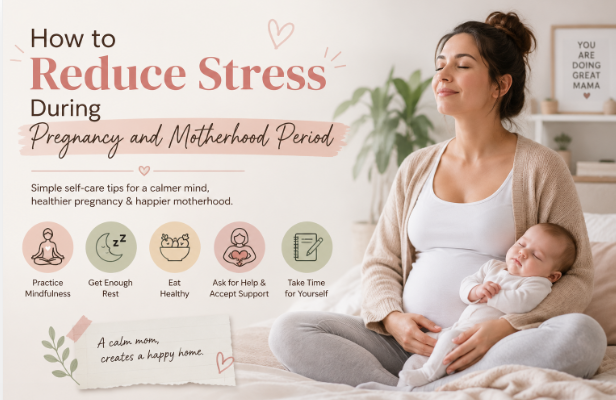
Understanding Stress in Pregnancy and Motherhood
Pregnancy and early motherhood are often accompanied by a range of stressors that can impact a woman’s overall well-being. Understanding the nature of these stressors is crucial for expectant and new mothers as they navigate this transformative period in their lives. Different types of stress can manifest during this time, including physical, emotional, and mental stress.
Physical stress during pregnancy typically arises from the significant changes a woman’s body undergoes. As the body accommodates the developing fetus, women may experience discomfort or pain from growing physically larger, changes in body mechanics, hormonal fluctuations, and increased fatigue. These physical challenges can heighten stress levels, making it essential for expectant mothers to prioritize self-care and relaxation techniques.
Emotional stress is another prevalent concern. Expectant mothers may experience overwhelming feelings of anxiety or fear regarding childbirth and motherhood. The anticipation of a new life, coupled with societal expectations and personal responsibility, can lead to heightened emotional turmoil. Additionally, hormonal fluctuations during pregnancy can exacerbate emotions, potentially causing mood swings and increased vulnerability.
Mental stress often connects with both physical and emotional aspects. The mental load of preparing for childbirth, managing changes in relationships, and adjusting to new life roles can create significant anxiety. Many women find themselves worrying about their ability to care for their newborn and whether they will meet parenting expectations. This mental stress can have profound effects on maternal health and well-being.
Hormonal changes and lifestyle adjustments are significant contributors to increased stress levels during pregnancy and early motherhood. Understanding these various dimensions of stress is vital to developing effective strategies for stress reduction and maintaining a healthy, balanced life during this pivotal period.
Common Stressors Faced by Pregnant Women and New Mothers
Pregnancy and the early stages of motherhood are often described as periods filled with joy and anticipation; however, they can also be accompanied by various stressors. Understanding these stressors is crucial for effective stress management. One significant concern for expectant mothers is the anxiety surrounding childbirth. The fear of labor, complications during delivery, and the health of the newborn can create a substantial mental burden, leading to heightened stress levels.
Additionally, financial pressures are frequently reported by pregnant women and new mothers. The anticipation of a new baby often comes with unexpected expenses, from healthcare costs to purchasing baby supplies. This financial strain can leave mothers feeling overwhelmed and anxious about their economic security, especially in challenging economic times.
Relationship dynamics may also shift during pregnancy and after childbirth, causing additional emotional strain. Couples may experience changes in intimacy, communication, and support roles, which may lead to misunderstandings and conflicts. New mothers often seek support but may feel isolated or unsupported, contributing to feelings of stress and anxiety.
Furthermore, the challenges associated with caring for a newborn can be daunting. Sleep deprivation, the physical demands of infant care, and adjusting to a new routine can be exhausting. New mothers may also face self-doubt regarding their parenting abilities, which can exacerbate stress. Each of these factors contributes to the complex emotional landscape for mothers during this pivotal time.
Recognizing these common stressors is the first step toward developing effective coping strategies. Acknowledging that these feelings and challenges are common can help mothers feel less isolated and more empowered to seek support when needed.
The Importance of Self-Care During Pregnancy and Motherhood
Self-care plays a pivotal role in managing stress effectively during pregnancy and the early stages of motherhood. As women navigate the complexities of these transformative periods, prioritizing their own well-being becomes essential not only for their health but also for that of their baby. Adequate self-care can significantly reduce stress levels, enhance emotional resilience, and foster a peaceful environment conducive to healthy development.
Physical self-care is a critical aspect that mothers should incorporate into their daily routines. This includes ensuring proper nutrition, engaging in gentle exercise such as walking or prenatal yoga, and maintaining regular sleep patterns. Hydration is equally important as it aids in alleviating common pregnancy discomforts and supports overall health. Women must listen to their bodies and allow themselves time to rest and recuperate, which can help mitigate fatigue and anxiety.
Emotional well-being is equally vital during this phase. Practicing mindfulness, meditation, or prenatal classes can alleviate feelings of stress or overwhelm. Connecting with supportive friends and family helps create a safety net, where mothers can express their feelings and share their experiences openly. Journaling can also be a valuable tool, allowing them to process emotions and reflect on their journey.
Mental health strategies, such as setting realistic expectations and prioritizing tasks, can further enhance a mother’s capacity to cope with stress. Seeking professional help when needed is prudent as mental health is just as crucial as physical health. Support groups can be beneficial, offering a sense of community and shared experience.
In conclusion, by integrating varied self-care practices, mothers can navigate the stressors of pregnancy and early motherhood with greater ease, fostering both their well-being and that of their child. Making self-care a priority is not just beneficial but essential for overall health during these significant life stages.
Mindfulness and Meditation Techniques for Stress Relief
Mindfulness and meditation are increasingly recognized as effective strategies for managing stress during pregnancy and the motherhood phase. These practices encourage mothers to focus on the present moment, fostering a sense of calm and clarity. Incorporating mindfulness into daily routines can be straightforward and greatly beneficial for emotional health.
One effective technique is the practice of deep breathing exercises. This practice involves taking slow, deep breaths that help reduce anxiety and promote relaxation. A simple deep breathing exercise can be performed by inhaling deeply through the nose, holding that breath for a few seconds, and then exhaling slowly through the mouth. This process can be repeated several times, allowing mothers to center themselves, especially during moments of heightened stress.
Guided imagery is another impactful mindfulness method. This technique involves visualizing a peaceful scene or situation, such as a tranquil beach or a serene garden. By focusing on the details of this imagery, mothers can create a mental escape that alleviates stress. There are numerous guided imagery recordings available, which can be a helpful starting point for those unfamiliar with the practice. Allocating a few quiet minutes each day to engage in this mental exercise can significantly reduce feelings of overwhelm.
Mindfulness meditation, which encompasses various forms, encourages the individual to focus on their thoughts, sensations, and feelings without judgment. Setting aside a few minutes each day to sit quietly, closing one’s eyes, and simply observing thoughts can foster a deep sense of relaxation. Simply acknowledging thoughts and letting them pass without attachment can be liberating, ultimately leading to decreased stress levels.
Incorporating these mindfulness and meditation techniques into daily life, whether during a busy day or a quiet moment at home, offers mothers practical and effective ways to manage stress throughout pregnancy and beyond.
Physical Activity and Its Role in Reducing Stress
Engaging in physical activity is a fundamental aspect of managing stress during pregnancy and the motherhood period. Exercise not only contributes to physical health but also promotes emotional well-being, thereby serving as an effective stress management tool. Pregnant individuals often experience hormonal changes and physical discomfort that can lead to heightened stress levels. Regular physical activity helps alleviate these conditions by releasing endorphins, which are natural mood lifters.
For those who are pregnant, it is essential to choose appropriate forms of exercise that cater to their changing bodies and capabilities. Gentle workouts such as walking, swimming, or prenatal yoga can provide numerous benefits without overwhelming the body. These activities improve flexibility, strength, and endurance, which can ease the physical strains associated with carrying a child. Additionally, practices like yoga not only focus on the body but also incorporate mind-body connection techniques. This connection can enhance relaxation and reduce anxiety levels significantly.
Postpartum women should also prioritize physical activity as a means of managing stress and enhancing their overall physical and mental health. Post-natal exercises, such as light aerobics or moderate weight training, can assist in regaining strength and boosting self-esteem. It is advisable for new mothers to start slowly and gradually increase the intensity of their workouts. Incorporating physical activity into daily routines can create a support system for mental well-being, aiding in the recovery process and improving mood.
In essence, embracing physical activity during pregnancy and after childbirth serves as an invaluable strategy for reducing stress. By dedicating time to regular exercise, mothers can cultivate a healthier mindset, leading to improved mental health results for themselves and better outcomes for their children.
Nutrition and Its Impact on Stress Levels
Proper nutrition plays a crucial role in managing stress during pregnancy and the postpartum period. It’s essential to recognize that the foods consumed not only affect physical health but also significantly influence mood and stress levels. Certain nutrients have been shown to have a direct positive impact on mental well-being, acting as natural stress relievers.
Foods rich in omega-3 fatty acids, such as salmon, chia seeds, and walnuts, can help reduce anxiety by enhancing brain function and stabilizing mood. Additionally, dark leafy greens like spinach and kale are packed with magnesium, which is known to help combat stress and promote relaxation. Furthermore, fruits such as blueberries and bananas are rich in antioxidants and vitamins that support brain health and may help alleviate feelings of stress.
Conversely, certain foods may contribute to increased stress levels. High sugar intake, found in processed snacks and sugary drinks, can lead to significant fluctuations in blood sugar, causing irritability and fatigue. Caffeine, commonly found in coffee and many sodas, can exacerbate anxiety levels if consumed in excess. Hence, balancing the diet is critical by moderating these food types.
When considering dietary changes, meal planning can be beneficial. Ensuring a balanced intake of lean proteins, whole grains, and plenty of fresh produce can support overall health and stabilize mood. Preparing meals in advance can help busy mothers-to-be make healthier choices, rather than resorting to convenience foods that may be less nutritious.
Incorporating regular meals and snacks, rich in nutrients and low in processed ingredients, is vital. Staying hydrated also significantly affects stress response, making it essential to consume adequate water throughout the day. Focusing on a nutritious diet can create a solid foundation for managing stress during pregnancy and beyond.
Building a Support System: Friends, Family, and Professional Help
Establishing a robust support system during pregnancy and the motherhood period is vital for managing stress. Pregnancy and parenting bring a multitude of challenges, and having empathetic individuals by your side can greatly alleviate these pressures. Friends and family provide not only emotional support but also practical help. They can assist with household tasks, offer caregiving assistance, and lend a listening ear when needed. This communal approach fosters a nurturing environment, making both pregnancy and motherhood more enjoyable and less isolating.
Moreover, the importance of sharing experiences cannot be understated. Engaging with friends who have undergone similar journeys can instill a sense of camaraderie and understanding. Whether it’s a simple phone call or a group meet-up, these interactions can serve as a source of reassurance and comfort. The ability to discuss concerns, share tips, and celebrate milestones creates a network of support that can lighten the emotional load of motherhood.
In addition to relying on friends and family, seeking out professional support can also be beneficial. Professional therapists specializing in maternal health can offer guidance and coping strategies tailored to individual circumstances. They can help mothers navigate complex emotions, address anxiety, or work through postpartum challenges. Furthermore, support groups provide an excellent platform for mothers to connect with others facing similar issues. These groups foster an atmosphere of understanding, enabling mothers to express their feelings freely without the fear of judgment.
Ultimately, a well-rounded support system comprising friends, family, and professionals can significantly ease stress during pregnancy and motherhood. Nurturing these relationships creates an empowering network that not only helps mothers cope with challenges but also enriches their experiences, promoting well-being and emotional resilience throughout this transformative period.
Setting Realistic Expectations and Goals
During pregnancy and the transition into motherhood, it is essential for new mothers to set realistic expectations and goals. The journey towards motherhood is unique for everyone, and understanding one’s own limitations can alleviate unnecessary stress. It is vital to recognize that perfection is an unrealistic standard; instead, embracing the concept that it is acceptable to be imperfect can foster a healthier mindset.
To begin setting attainable goals, mothers should first identify their personal values and priorities. By reflecting on what truly matters to them, mothers can create a tailored plan that aligns with their vision of well-being. For instance, rather than aiming to maintain an immaculate home while caring for a newborn, a more realistic goal may include dedicating time each week to self-care or prioritizing family bonding moments. This approach reduces feelings of inadequacy that may arise from attempting to manage excessively high expectations.
Moreover, goal-setting should be flexible. As circumstances can change rapidly during pregnancy and motherhood, adapting goals to fit evolving needs is crucial. Setting short-term goals can provide a sense of accomplishment and motivate mothers to navigate challenges. For example, focusing on daily habits such as engaging in gentle physical activity or prioritizing rest can positively influence mental health and overall well-being.
To further mitigate stress, mothers can also consider involving their support network in achieving these goals. Whether it is seeking help from family, friends, or parenting groups, sharing responsibilities can ease the burden of feeling overwhelmed. In essence, establishing a balanced approach to goal-setting not only supports mothers in managing their stress but also nurtures their mental health and overall parenting experience.
Creating a Stress-Reducing Environment at Home
Establishing a serene living space is essential for promoting mental well-being during pregnancy and motherhood. The home serves as a sanctuary, making it crucial to create an environment that fosters calmness and reduces stress. Begin by organizing living spaces to eliminate clutter, which can be a significant source of anxiety. A tidy home not only enhances visual appeal but also promotes mental clarity, helping mothers feel more in control.
Consider adopting the principle of minimalism by keeping only items that are necessary or meaningful. This approach encourages a sense of simplicity that can be soothing. Zone the home into different areas tailored for specific activities—like a cozy reading nook dedicated to relaxation or an organized space for baby care. When each area serves a defined purpose, it allows mothers to transition more smoothly between different tasks.
Incorporating soothing routines can also contribute significantly to a less stressful home life. Establish a daily schedule that includes dedicated time for self-care, such as prenatal yoga, meditation, or quiet reading. These rituals can help in creating a rhythm in the household, reducing feelings of chaos. Furthermore, consider utilizing calming scents through essential oils or candles that evoke a sense of tranquility.
Introducing elements that promote positivity can enhance the overall atmosphere of the home. Incorporate natural light by keeping curtains open during the day and adding plants to the decor, which can uplift moods and purify indoor air. Artwork, photographs, or affirmations that inspire joy can be strategically placed in various rooms. Each of these factors contributes to a nurturing environment, ultimately allowing mothers to experience reduced stress levels and increased feelings of safety.