
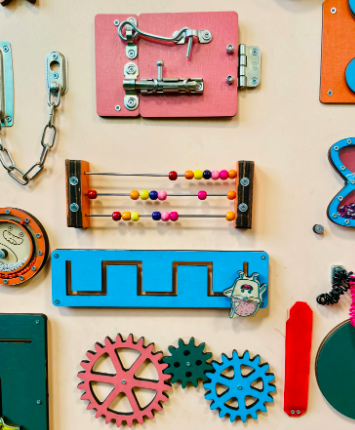
Introduction to Sensory Play
Sensory play refers to any activity that stimulates a baby’s senses, including sight, sound, touch, taste, and smell. This engaging form of play is vital for early childhood development, as it not only captivates a baby’s attention but also encourages exploration and discovery through interaction with their environment. As babies encounter a variety of sensory experiences, they begin to understand the world around them in a more profound way.
One of the key benefits of sensory play is its role in promoting cognitive growth. When babies engage their senses, they stimulate neural connections in their brain, which are crucial during their formative years. These activities can include simple actions such as playing with different textures, exploring colors, or listening to various sounds. Each of these experiences contributes to the baby’s understanding of cause and effect, shapes, and even basic problem-solving skills.
Moreover, sensory play supports the development of both fine and gross motor skills. Activities that involve grasping, manipulating, or pushing objects enable babies to strengthen their hand-eye coordination and muscle control. When infants interact with materials like sand, water, or play dough, they enhance their tactile senses while also developing coordination and dexterity. These skills are essential as they lay the foundation for future tasks such as writing and other daily activities.
In addition to fostering cognitive and physical development, sensory play is also crucial for emotional well-being. By exploring their environment, babies find comfort and security, which can help them develop self-confidence. Engaging them in sensory activities can also provide a valuable opportunity for bonding, as caregivers can participate in these explorative play sessions, ensuring a nurturing learning atmosphere.
Benefits of Sensory Activities for Babies
Engaging in sensory activities offers numerous developmental advantages for infants, significantly contributing to their early learning skills. One primary benefit is enhanced brain development. Sensory play stimulates neural pathways in the developing brain, promoting connections that are vital for cognitive growth. This enrichment through varied sensory experiences—ranging from tactile to auditory—encourages exploration, which is fundamental to learning.
Improved sensory processing is another significant advantage. Babies are naturally curious, and sensory activities cater to this trait by exposing them to different textures, sounds, and sights. As they explore these different stimuli, they learn to interpret and respond to their environment, honing their sensory processing abilities. This improved processing is essential as it lays the groundwork for complex skills in the future.
Moreover, participation in sensory activities can lead to increased language skills. As infants explore their surroundings, they often encounter new words associated with various sensory experiences. For instance, during tactile play with different materials, caregivers can introduce descriptive language, which can enhance vocabulary development. This early exposure to language within a rich sensory context encourages not just comprehension but also verbal expression.
Another vital aspect is the promotion of better emotional regulation. Engaging in sensory play helps babies learn to manage their emotions by providing them with opportunities to express and understand feelings in a safe environment. For instance, water play can evoke joy, while messy play might lead to frustration, teaching infants how to process these emotions. Overall, sensory experiences instill a sense of curiosity, laying a solid foundation for lifelong learning. Babies equipped with these skills are more likely to enter broader educational contexts with a readiness to explore and learn.
Essential Materials for Sensory Play
Creating a vibrant sensory play environment for babies at home requires specific materials that promote exploration and stimulate learning. The essential items for sensory activities should be safe, easily accessible, and varied to provide different tactile experiences.
Textured fabrics, for instance, serve as excellent tools for enhancing a baby’s tactile senses. Items such as soft blankets, rough burlap, and silky scarves offer contrasting textures that encourage sensory exploration. These materials can be introduced in various ways, such as creating sensory bags filled with different fabrics for babies to feel and explore.
Incorporating natural items into sensory play can also enrich the learning experience. Leaves, twigs, and smooth stones provide a direct connection to nature and foster curiosity about the world. Ensure to choose clean, safe, and non-toxic natural objects, as this promotes not only sensory engagement but also cognitive development in young learners.
Household objects can play a pivotal role in sensory activities, too. Everyday items such as measuring cups, wooden spoons, and plastic containers can be utilized for pouring and sorting tasks that encourage fine motor skills. Additionally, these common objects are often readily available, making it easy for caregivers to set up sensory experiences without significant investment.
Store-bought sensory toys, such as squishy balls, textured blocks, and sensory bottles filled with glitter and liquid, can provide engaging and safe play options. These toys are designed to enhance sensory exploration and can be a favorite among little ones as they discover different elements through play.
Simple Sensory Activities for Newborns
Newborns experience the world in unique ways, primarily through their sense of touch, sound, and sight, which makes sensory activities crucial for their development. Introducing gentle, age-appropriate sensory activities can effectively engage their senses and aid in their early learning skills.
One essential activity involves using high-contrast visuals. Newborns are particularly responsive to black and white patterns since their vision is still developing. Placing high-contrast cards or soft toys within their line of sight can captivate their attention and enhance visual stimulation. It is beneficial to change the positions of these visuals periodically to encourage tracking movements with their eyes.
Additionally, soft mobile movements can provide not only visual stimulation but also auditory experiences. Hanging a mobile that includes gentle, soothing sounds can stimulate both sight and hearing. Swaddling the baby while slowly moving the mobile helps integrate gentle motion with sound, creating a calming environment that newborns find soothing.
Another effective sensory activity is gentle massage. Lightly rubbing the baby’s arms, legs, and back using baby-safe oils can induce relaxation and comfort. This not only provides tactile stimulation but also encourages bonding between the caregiver and the baby. During the massage, speaking softly or singing can further engage the newborn through sound, making it a holistic sensory experience.
Lastly, utilizing soft, different textured fabrics during tummy time can promote tactile exploration. Introducing textures like silk, cotton, or fleece can make this activity enjoyable for the infant. As babies touch these different surfaces, they begin to learn about their environment, aiding in neural connections that support cognitive development.
Engaging Sensory Activities for Infants
Engaging infants through sensory activities is vital for their early learning and development. At the age of 3 to 6 months, babies are particularly curious, and providing them with stimulating experiences can significantly enhance their sensory skills. Here are some sensory activities designed specifically for infants within this age group.
One enjoyable activity is water play. Filling a shallow basin with warm water and allowing the infant to splash their hands in it can be both fun and informative. Infants are naturally inclined to explore their surroundings, and this activity helps them develop hand-eye coordination as they watch the water move. To enhance this experience, consider adding floating toys that are colorful and easy for babies to grasp, encouraging them to reach and grab.
Musical instruments can also provide a rich sensory experience for infants. Simple instruments, such as maracas or small tambourines, allow babies to experiment with sound and rhythm. Encouraging them to shake or tap the instruments not only stimulates their auditory senses but also promotes motor skills as they learn to control their movements.
Another effective option is the use of colorful rattles. These toys are excellent for visual tracking as well as tactile exploration. Infants are drawn to bright colors and interesting textures, making rattles an ideal choice to capture their attention. As they rattle and shake these toys, infants develop strength in their hands and fingers while simultaneously learning cause and effect.
Incorporating a variety of sensory activities not only supports physical development but also enhances cognitive skills as infants interact with their environment. Fostering these early learning skills through engaging sensory experiences can lay a strong foundation for future learning in toddlers.
Interactive Sensory Experiences for Older Babies
As babies grow and develop between the ages of 6 to 12 months, their sensory experiences become crucial in bolstering their early learning skills. At this stage of development, engaging in interactive sensory play not only captures their attention but also enhances their motor skills, cognitive abilities, and creativity. Here, we delve into some effective sensory activities that are ideal for older babies.
One popular activity is messy play using safe food items such as yogurt or mashed fruits. This not only introduces babies to different textures but also encourages them to explore their senses through taste and touch. A simple setup can involve placing a splat mat or an old shower curtain on the floor, where babies can freely explore the textures of yogurt or pureed foods using their hands. Supervision is essential to ensure safety, but this playful exploration fosters creativity, fine motor skills, and blissful laughter.
Another engaging sensory experience can be created with sand or rice bins. Filling a shallow container with dry sand or uncooked rice provides an excellent tactile experience. Babies can sift through the grains using their hands, practice pouring, and feel the different textures around them. Additionally, small cups, scoops, and toys can be introduced for enhanced interaction. This activity can help sharpen their hand-eye coordination and sensory processing as they discover the differences in weights and textures.
Furthermore, incorporating water tables into the sensory repertoire enriches the experience for older babies. Water play not only brings immense joy but also promotes physical activity as babies splash and pour water. Adding various cups, scoops, and small floating toys can make this experience even more enjoyable. Such activities stimulate sensory exploration while fostering social interaction if conducted alongside peers. Through these diverse sensory experiences, older babies can lay a strong foundation for early learning that benefits their overall development.
Creating a Sensory-Friendly Space
Establishing a sensory-friendly space at home is crucial for promoting developmental skills in infants and toddlers. A dedicated sensory play area allows children to engage in immersive experiences that stimulate their senses, leading to enhanced cognitive growth.
Begin by identifying a suitable location that offers ample room for various activities. Set aside a corner in your living area or a separate room that is easily accessible for your child. To ensure safety, the floor should be padded, using mats or carpets that help cushion falls. Remove any hard or sharp objects that might pose a risk, and ensure that all materials used in this area are non-toxic and age-appropriate.
Organizing sensory materials is paramount for fostering a productive play environment. Use clear bins or labeled containers to store items such as textured fabrics, safe kitchen utensils, water beads, and other small objects that can stimulate touch and sight. This organization not only makes it easier for your child to select materials but also encourages independence in play, allowing for a more enriching experience.
To further enhance sensory exploration, consider incorporating elements that reduce overstimulation. Soft lighting, such as fairy lights or lamps with dimmers, can create a calming atmosphere. Additionally, utilize items like weighted blankets or soft pillows that can comfort your child and help them feel secure. Providing noise-canceling headphones might also assist in diminishing auditory overload, especially in spaces exposed to distracting sounds.
Finally, remember the importance of constant adaptation. As your child grows and their needs change, regularly reassess the sensory area to introduce new materials and activities. This approach not only maintains engagement but also supports ongoing learning and development.
Incorporating Sensory Play into Daily Routines
Integrating sensory play into daily routines can significantly enhance a child’s early learning skills by providing enriching experiences that stimulate their senses. One of the most effective ways to accomplish this is to look for opportunities in everyday activities, transforming them into interactive learning experiences.
For instance, during bath time, parents can introduce various textures and temperatures. Adding bath toys with different textures, such as rubber ducks and squishy balls, provides tactile experiences that encourage exploration. Parents can also use different temperature water, such as lukewarm and cool, to help infants and toddlers learn about how temperature variations affect the feel of their environment. Additionally, utilizing colorful bath foams or bubbles can captivate a child’s attention while adding a visual aspect to their sensory play.
Mealtime offers another venue for sensory integration. Parents may consider using colorful plates or introducing visually appealing foods, like fruits and vegetables, to foster a connection to colors and shapes. Involving children in food preparation allows for tactile engagement; they can feel the textures of various ingredients, from velvety avocados to crunchy carrots. Cooking together can also promote awareness of scents, as children experience various aromas while cutting herbs or mixing ingredients.
Outdoor exploration is another excellent setting for sensory play. While walking in the park or garden, parents can encourage their children to collect natural items like leaves, stones, or pinecones. Discussing the textures and colors of these items enhances observation skills and ignites curiosity. Engaging in physical play with sand or water can provide immense sensory input, allowing children to feel different textures and explore spatial concepts through digging or pouring.
By making simple adjustments to daily routines, parents foster engaging sensory experiences that promote cognitive and physical development. Regularly incorporating sensory play tasks not only enhances children’s learning but also nurtures their inquisitive nature, creating joyful memories along the way.
Conclusion and Resources for Further Learning
Engaging in sensory activities is crucial for bolstering early learning skills in infants and young children. These types of activities encourage exploration, foster creativity, and promote neurodevelopment. Sensory play naturally stimulates a child’s senses—touch, sight, sound, smell, and taste—providing them with invaluable opportunities for learning and growth. By allowing children to experience different textures, colors, and sounds, parents can help enhance their cognitive and motor skills, laying the foundation for future academic success.
Moreover, sensory activities promote problem-solving abilities and critical thinking. As children interact with various materials, they begin to understand cause and effect, practice their reasoning skills, and boost their emotional intelligence. This holistic approach to learning encourages children to discover and express their identities, ultimately fostering a love for learning that can last a lifetime.
To maximize the benefits of sensory play, parents are encouraged to experiment with a variety of activities that suit their children’s interests and developmental stages. Simple items found around the home or in nature can become tools for innovative learning experiences. Parents can avail themselves of numerous resources to further understand and implement effective sensory activities. Websites such as The Sensory App House and The Imagination Tree provide ideas and insights into sensory activities that spark curiosity in young minds. Additionally, books like ” sensory Play: A Handbook for Parents and Teachers” and “The Creative Curriculum for Infants and Toddlers” offer in-depth exploration of sensory learning and its benefits.
Ultimately, the variety and engagement of sensory activities can significantly enhance early learning, thus empowering parents to foster enriching environments for their children. By exploring these resources and implementing various activities, parents can contribute positively to their child’s developmental journey.