
Understanding Postpartum Recovery
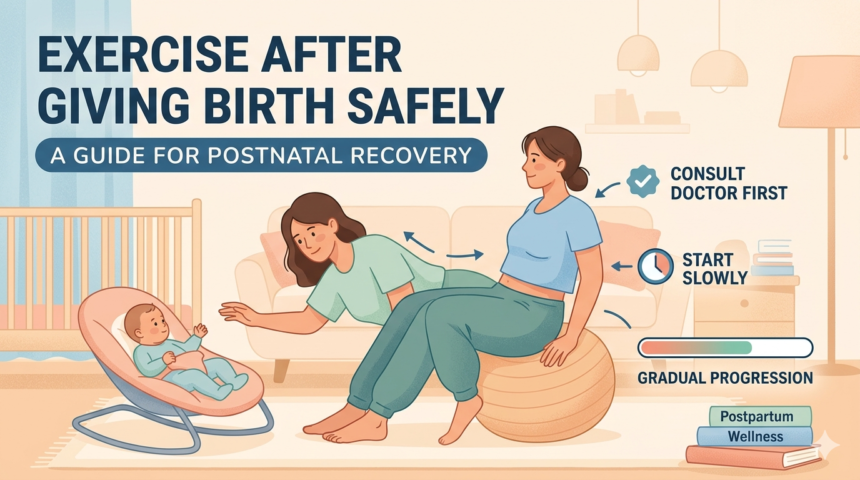
Postpartum recovery encompasses a broad range of physical and emotional changes that mothers experience after giving birth. This crucial period can vary significantly for each individual, and understanding these dynamics is key to a safe return to exercise. Physically, the body undergoes substantial changes as it begins to heal from childbirth. Typically, the recovery timeline may take six to eight weeks, but it can extend beyond that depending on factors such as the type of delivery and any complications arising during childbirth.
During the postpartum period, women often face a range of hormonal fluctuations. These changes can lead to both physical symptoms such as fatigue and emotional challenges, including mood swings or postpartum depression. It is imperative for new mothers to acknowledge these emotions and seek support when necessary. Mental health plays a significant role during this time, as it directly impacts overall recovery and the ability to manage new parental responsibilities.
Moreover, healthcare professionals emphasize the importance of gradual physical rehabilitation after childbirth. Many recommend starting with gentle activities like walking and pelvic floor exercises before progressing to more intense workouts. Listening to one’s body during this phase is essential; discomfort or pain can be indicators that the body requires more time to heal. Additionally, integrating relaxation techniques and stress management strategies may also support emotional well-being and bolster the recovery process.
In summary, understanding the multifaceted nature of postpartum recovery is instrumental for new mothers as they navigate changes in their bodies and emotions. By recognizing the typical recovery timeline and prioritizing mental health support, women can foster a positive environment for both physical healing and emotional resilience post childbirth.
Consulting with Healthcare Providers
Returning to exercise after giving birth is a crucial aspect of postpartum recovery, and it is essential to approach this transition with care. Consulting with healthcare providers serves as a fundamental first step in establishing a safe exercise regimen. Prior to initiating any exercise program, it is advisable to schedule a check-up with an obstetrician or a midwife to evaluate your readiness for physical activity, given the significant changes your body has undergone during pregnancy and childbirth.
During this consultation, several important questions should be posed to the healthcare provider. Inquire about your physical recovery process and whether there are specific exercises or activities that should be avoided in your initial postpartum phase. Additionally, understanding the signs of complications, such as excessive bleeding or pain, will further help in ensuring a safe resumption of fitness routines.
Assessing readiness for physical activity can vary from one individual to another, based on factors such as the type of delivery (vaginal or cesarean), any complications experienced during childbirth, and individual health conditions. Healthcare providers may recommend a gradual approach and provide guidance on how to ease back into exercise, which could include walking, light stretching, or pelvic floor exercises.
Furthermore, the importance of individualized exercise plans cannot be overstated. Each postpartum journey is unique, necessitating a tailored approach to fitness that considers personal health, fitness level, and lifestyle. For some, joining a postpartum exercise group guided by trained professionals can offer motivation and community support, while others might find it advantageous to work out at home. Overall, obtaining medical guidance from professionals can significantly enhance the journey towards safely reclaiming fitness after birth.
The Importance of Gentle Exercises
Returning to exercise after giving birth is a significant step toward recovery and well-being. However, it is crucial to approach this process with care. Gentle exercises, such as walking, stretching, and postpartum yoga, are highly beneficial for new mothers as they promote healing and facilitate a gradual return to physical fitness. These low-impact movements help in regaining strength and mobility without putting undue stress on the body, which is still recovering from childbirth.
Walking is one of the simplest and most accessible forms of gentle exercise. It allows new mothers to engage in physical activity while accommodating their energy levels and time constraints. Even short walks can aid in improving circulation, promoting cardiovascular health, and alleviating the physical discomfort often associated with postpartum recovery. As mothers walk, they can also enjoy fresh air and potentially engage with their babies, enhancing the bonding experience.
Additionally, stretching is vital for alleviating tension in the body and improving flexibility. Postpartum yoga, in particular, offers an excellent combination of gentle stretching and mindfulness. This form of exercise can help mothers reconnect with their bodies, easing stiff muscles that may result from labor and caring for a newborn. Moreover, gentle yoga practices can optimize breathing patterns and encourage relaxation, which contributes positively to both mood and energy levels.
The importance of engaging in gentle exercises immediately after childbirth cannot be overstated. These activities can have significant physical as well as mental benefits. By incorporating such movements into their daily routine, new mothers can support their recovery journey, enhance mobility, and foster a more positive outlook during this transitional period in their lives.
Strengthening the Core and Pelvic Floor
After childbirth, many women experience a weakening of the core and pelvic floor muscles, which can result in various physical challenges. To facilitate recovery and promote overall wellness, it is essential to engage in specific exercises aimed at strengthening these areas. Starting with gentle movements allows the body to adapt gradually and helps restore muscle function safely.
One highly recommended exercise is the pelvic tilt. This can be performed while lying on your back with knees bent. Gently engage your abdominal muscles to flatten your lower back against the floor while breathing deeply. Hold the position for a few seconds and then relax. This movement not only helps strengthen the abdominal muscles but also benefits the pelvic floor.
Another excellent exercise is the kegel exercise, which specifically targets the pelvic floor muscles. To perform a kegel, imagine trying to stop urinating mid-flow. Squeeze these muscles for several seconds, then release. Aim to perform several repetitions throughout the day. This practice can drastically improve pelvic floor strength and urinary control, promoting confidence in daily activities.
It is crucial to listen to your body and start slow, gradually increasing the intensity and duration of exercises as strength improves. Additionally, tracking your progress is beneficial; keeping a journal of your workouts not only provides a motivational boost but also allows you to see the incremental improvements in your strength and endurance. Engage in low-impact activities such as walking or swimming as part of a comprehensive postnatal recovery program.
Safe and effective core and pelvic floor strengthening exercises play a vital role in the recovery process after childbirth. By incorporating these targeted workouts into your routine, you can foster increased confidence in your body while enhancing physical well-being.
Listening to Your Body
Returning to exercise after giving birth is a significant step in reclaiming one’s physical health and wellbeing. However, it is paramount for new mothers to prioritize self-awareness during this transition. Understanding how your body responds to physical activity post-delivery is crucial for safe resumption of exercise routines. One of the primary aspects to focus on is the ability to recognize signs of overexertion. Symptoms such as excessive fatigue, persistent pain, or feeling faint are indicators that a workout may need to be modified or paused altogether.
Additionally, the importance of rest cannot be overstated. The postpartum period is a time for recovery, and allowing your body adequate time to heal is essential for long-term fitness. Exhaustion and soreness should signal you to take a step back. Utilizing rest days wisely will enhance overall recovery and prepare you for more challenging workouts in the future.
Another vital practice is to adjust workouts based on your body’s feedback. This might involve changing the intensity of the exercises or the duration of the sessions based on how you feel. For instance, if a certain exercise aggravates discomfort, it may be practical to replace it with a modified version or a gentler alternative. Listening to your body means being flexible with your fitness goals and accommodating your current recovery status. Engaging in gentle activities such as walking, stretching, or low-impact exercises can facilitate a smoother return to your pre-pregnancy fitness level.
Ultimately, the postpartum journey necessitates a mindful approach to exercise. Acknowledging your body’s signals and responding accordingly will not only enhance your physical recovery but also promote a positive relationship with fitness during this transformative time.
Gradually Increasing Intensity
Returning to exercise after giving birth is an important step toward regaining physical fitness, but it is essential to do so gradually and mindfully. This process involves slowly increasing the intensity of workouts to ensure both safety and effectiveness. One effective strategy is to start with low-impact activities, such as walking or gentle yoga, which can help rebuild endurance without placing excessive strain on the body.
During the initial weeks postpartum, the focus should be on establishing a regular routine rather than pushing the body to its limits. It is advisable to begin with short sessions, aiming for 10 to 15 minutes of activity several times a week. As comfort and strength improve, gradually increase the duration and intensity of the workouts. This method allows the body to adapt progressively while minimizing the risk of injury.
Moreover, incorporating strength training exercises can be particularly beneficial. Start with light resistance training using body weight to help strengthen core muscles and improve overall stability. Resistance bands can also be useful for adding slight intensity without overwhelming the body. Over time, as you become more comfortable and your fitness level rises, you can introduce weights into your routine.
Listen to your body closely during this transition. Signs such as excessive fatigue, pain, or any unusual discomfort are signals to take a step back and reassess your current regimen. It is vital to remember that recovery varies from one individual to another, and some may require longer periods before they feel ready to ramp up their exercise intensity. By adopting a gradual approach, new mothers can safely rebuild their strength and stamina, setting a solid foundation for a sustainable fitness journey.
Finding Support and Community
Returning to exercise after giving birth can be a challenging journey, but finding support and community can significantly enhance the experience. Engaging with others who are also navigating the post-pregnancy fitness landscape provides motivation, encouragement, and a sense of camaraderie. Many women find that sharing their experiences leads to valuable insights and shared goals, which can be beneficial for maintaining consistency in their exercise routines.
One effective way to access a supportive network is by joining local or online fitness groups specifically tailored for postpartum women. Many communities offer mom-and-baby fitness classes, where new mothers can participate in workouts while bringing their infants along. These classes not only provide a structured environment to engage in physical activity but also facilitate the formation of friendships with others in similar situations. For those who prefer online interactions, social media platforms and dedicated fitness forums offer various groups focused on postpartum recovery, where members can share tips, progress, and challenges.
Additionally, seeking out local community centers that host fitness classes geared towards postpartum recovery can be highly beneficial. These classes often focus on rebuilding strength and flexibility while ensuring safety. Furthermore, finding a workout partner, whether a friend or someone from these groups, can enhance motivation and accountability. Partnering up allows for shared experiences, enables mutual encouragement, and can lead to enjoyable workout sessions.
In conclusion, finding support and building a community during the postpartum exercise journey is crucial. Whether through local classes, online groups, or workout partners, the benefits of connecting with others can greatly enhance both physical and mental well-being as new mothers embrace their path back to fitness.
Setting Realistic Goals
Returning to a regular exercise routine after giving birth can be both exciting and overwhelming. It is essential to set realistic fitness goals that align with your current physical capabilities, personal circumstances, and individual preferences. Postpartum bodies undergo significant changes, and acknowledging these changes can help foster a more positive experience as you embark on your fitness journey.
When establishing your fitness goals, consider beginning with small, attainable objectives that can progressively build your confidence and physical strength. Setting such measurable goals ensures a pathway to success that respects your body’s recovery time. For instance, start with gentle activities such as walking or postnatal yoga, which can ease you back into an exercise regimen while allowing your body to adjust. Gradually increasing the intensity and duration of your workouts ensures a balanced approach, helping to prevent injury and maintain motivation.
Furthermore, it is crucial to consider your personal life circumstances. Factors such as sleep deprivation, parenting responsibilities, and emotional adjustments can significantly impact your energy levels and motivation. By acknowledging these constraints, you can craft a fitness schedule that accommodates the demands of motherhood while setting achievable fitness milestones.
Finally, it is vital to listen to your body and adjust your goals as needed. Each woman’s postpartum recovery journey is unique, and what works for one individual may not be suitable for another. Emphasizing progress over perfection can help maintain a positive mindset and create a sustainable fitness routine. Establishing realistic fitness goals in the postpartum period is a step towards enhancing your overall well-being, paving the way for a long-term commitment to health and fitness.
Celebrating Progress and Recovery
Returning to exercise after giving birth is a significant journey, both physically and mentally. As new mothers navigate this path, it is vital to acknowledge and celebrate the small victories that occur along the way. Progress can manifest in various forms, from regaining strength to simply feeling more energized throughout the day. Recognizing these achievements fosters a positive mindset, essential for long-term adherence to fitness routines.
It is important to understand that every step towards recovery merits celebration, no matter how minor it may seem. Perhaps the first time postpartum a mother is able to take a long walk or the moment she can comfortably fit into a pair of pre-pregnancy clothes are milestones that should be valued. By tracking and cherishing such moments, the journey toward fitness becomes a series of satisfying accomplishments rather than an overwhelming pursuit.
Additionally, the psychological benefits associated with celebrating these small wins cannot be underestimated. Acknowledging progress helps create a more positive self-image and increases motivation. For many mothers, the transition back into physical activity can be accompanied by feelings of frustration or self-doubt, particularly regarding body changes. Emphasizing accomplishments helps to counteract these negative feelings, allowing women to maintain a constructive perspective toward their bodies and the journey ahead.
Moreover, celebrating progress encourages a healthy dialogue within personal networks, providing support and inspiration from fellow new mothers. Sharing achievements—whether it be a small workout routine or simply a healthy meal choice—can foster community connections that enhance the recovery process. Therefore, it is crucial for new mothers to remember to appreciate every effort made and to continuously celebrate the progress of their fitness journey.