What is Preeclampsia?
Preeclampsia is a pregnancy-related condition that is characterized by high blood pressure and signs of damage to other organ systems, most often the liver and kidneys. This disorder typically begins after the 20th week of gestation and can occur in women who have previously had normal blood pressure. It is essential for first-time moms to understand how preeclampsia can impact their pregnancy, as early detection can significantly improve outcomes for both mother and baby.
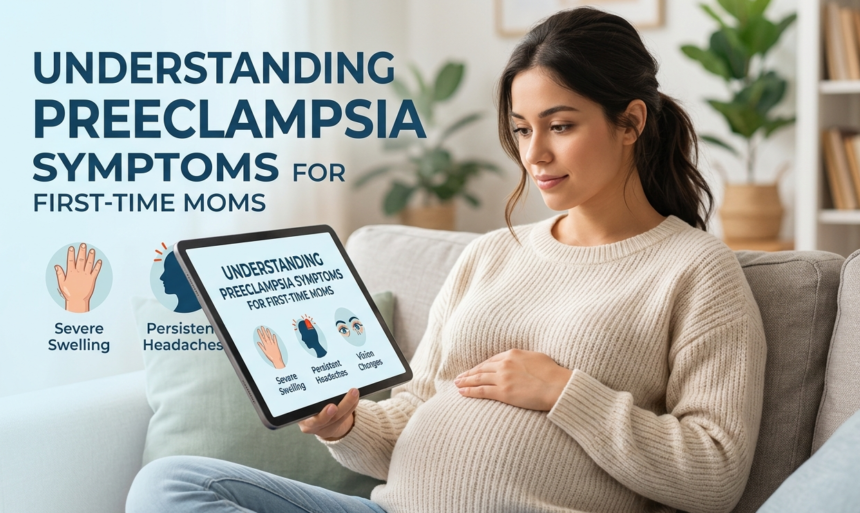
The condition usually manifests with a combination of symptoms, which may include severe headaches, visual disturbances, upper abdominal pain, and swelling in the hands and face. Most notably, preeclampsia can cause protein to appear in the urine, a key indicator that accompanies the onset of this disorder. The severity of preeclampsia can range from mild to severe, with some cases escalating quickly into more serious conditions, such as eclampsia, which can lead to seizures.
The importance of early recognition of preeclampsia cannot be overstated, as it poses significant risks to both the mother and her developing baby. Chronic high blood pressure may result from preeclampsia if left untreated, potentially leading to complications such as placental abruption, fetal growth restriction, and premature delivery. Thus, it is important for first-time moms to attend regular prenatal check-ups, during which healthcare professionals routinely monitor blood pressure and assess overall health.
In conclusion, understanding preeclampsia is crucial for first-time moms to ensure a healthy pregnancy journey. By being aware of its signs and symptoms and maintaining open communication with healthcare providers, they can take proactive steps to manage their health and the health of their baby throughout pregnancy.
Risk Factors for Preeclampsia
Preeclampsia is a serious condition that can occur during pregnancy, and understanding its risk factors is crucial for first-time mothers. Recognizing these risk factors can help women take proactive measures to monitor their health throughout pregnancy. Among the prominent risk factors is the status of being a first-time mother. Studies indicate that first pregnancies increase the likelihood of developing preeclampsia, potentially due to the body’s unfamiliar reaction to the changes brought on by pregnancy.
Age also plays a significant role in the risk of preeclampsia. Women who are over the age of 35 or younger than 20 are at an elevated risk. This variation may stem from both biological factors and general health awareness that can fluctuate with age. Thus, both young and older mothers should be especially vigilant in monitoring their health and attending regular prenatal visits.
Pre-existing health conditions can exacerbate the likelihood of preeclampsia. Conditions such as chronic hypertension, diabetes, and kidney disease have been linked to higher rates of preeclampsia. Women with these conditions should work closely with their healthcare providers to manage their health optimally during pregnancy.
Another crucial factor to consider is family history. If a woman has a close relative who has experienced preeclampsia, she may also be at greater risk. Genetic predisposition cannot be overlooked, and such a background should prompt additional monitoring and potential interventions from healthcare professionals.
In summary, key risk factors for preeclampsia include being a first-time mother, age, pre-existing health conditions, and family history. By understanding these aspects, expectant mothers can better evaluate their risk, leading to more informed discussions with their healthcare providers and improved prenatal care outcomes.
Common Symptoms of Preeclampsia
Preeclampsia is a serious condition that can arise during pregnancy, particularly in first-time mothers. Understanding its common symptoms is crucial for early detection and management. One of the primary indicators of preeclampsia is high blood pressure. Typically, a maternal blood pressure reading of 140/90 mmHg or higher can signify this condition. Regular monitoring of blood pressure during prenatal visits becomes essential for first-time mothers, as a sudden increase can occur even if a woman has had normal readings earlier in her pregnancy.
Swelling, particularly noticeable in the face and hands, is another common symptom that may indicate preeclampsia. While some degree of swelling can be expected during pregnancy, if it develops rapidly or is accompanied by other symptoms, medical evaluation should not be delayed. Sudden weight gain, defined as more than 2 pounds in a week, often coupled with swelling, also raises red flags regarding potential preeclampsia.
Headaches that persist or worsen may further indicate the presence of this condition. While headaches can be a typical experience for some pregnant women, severe or unusual headaches that do not respond to over-the-counter medications should prompt immediate consultation with a healthcare provider. These symptoms, including hypertension, significant swelling, rapid weight gain, and persistent headaches, should not be overlooked, as they can escalate quickly and lead to serious health risks for both the mother and the fetus. Recognizing these signs early allows for timely intervention and helps ensure a healthier pregnancy outcome.
Severity of Symptoms and When to Seek Help
Preeclampsia is a condition that can manifest with a range of symptoms, varying significantly in severity from mild to severe. First-time mothers may experience a diverse array of symptoms, and understanding their implications is crucial. Early signs of preeclampsia often include high blood pressure and protein in the urine, but these may also present alongside other symptoms such as sudden swelling in the hands and face, severe headaches, and visual disturbances.
The severity of these symptoms may dictate the urgency with which medical assistance should be sought. For instance, a slight increase in blood pressure may not warrant immediate concern, particularly if there are no accompanying severe symptoms. However, if a first-time mother experiences a significant rise in blood pressure—typically defined as readings higher than 140/90 mmHg—along with symptoms such as persistent headaches or visual disturbances, it is essential to seek medical attention promptly. These could be critical indicators that warrant immediate evaluation by a healthcare professional.
Additionally, other alarming symptoms warrant urgent care. Sudden and severe abdominal pain, excessive swelling, and rapid weight gain (more than 2 pounds in a week) could suggest that the condition is progressing. Recognizing these symptoms and understanding their potential severity ensures that the mother and the baby receive timely intervention. Overall, it is imperative for first-time moms to monitor their health closely throughout their pregnancy and to be vigilant about the symptoms they experience. It is advisable to err on the side of caution and reach out to a healthcare provider when in doubt.
The Importance of Regular Prenatal Care
Regular prenatal care is vital for expecting mothers, particularly for first-time moms who may be unfamiliar with the changes and challenges of pregnancy. This routine healthcare aimed at monitoring the health of both the mother and the developing fetus plays a crucial role in identifying potential complications such as preeclampsia, a condition that can arise during pregnancy.
During these check-ups, healthcare providers systematically assess blood pressure and urine protein levels, two key indicators for diagnosing preeclampsia. High blood pressure, or hypertension, is one of the hallmark symptoms of this condition. Tracking blood pressure during pregnancy allows healthcare providers to establish a baseline and identify any significant elevations that may indicate a risk for preeclampsia. Additionally, assessing urine protein levels helps in understanding whether the kidneys are functioning properly, as elevated protein levels can signal underlying issues related to this condition.
First-time moms may feel overwhelmed by the number of appointments required throughout their pregnancy journey. However, attending all scheduled prenatal visits provides an opportunity for early detection of preeclampsia, ensuring prompt intervention if necessary. Early intervention can significantly reduce risks to both maternal and fetal health.
Moreover, these appointments also facilitate open communication between expectant mothers and their healthcare providers. First-time moms can discuss their concerns, ask questions about symptoms they may experience, and receive guidance on lifestyle changes that can promote a healthier pregnancy. Engaging actively in prenatal care not only enhances maternal education but also helps in building a proactive approach to managing potential risks associated with pregnancy.
Lifestyle Changes to Mitigate Symptoms
Managing the symptoms of preeclampsia is crucial for the health of both mother and baby. First-time mothers may benefit from implementing specific lifestyle changes that can help mitigate symptoms or reduce the risk of developing this condition. Key areas of focus include dietary adjustments, physical activity, and effective stress management techniques.
Dietary modifications play a vital role in managing pregnancy-related hypertension. First-time moms are encouraged to adopt a balanced diet rich in fruits, vegetables, whole grains, and lean proteins. Foods high in potassium, such as bananas and sweet potatoes, can be particularly beneficial as they may help regulate blood pressure. Additionally, reducing salt intake is recommended to avoid excessive accumulation of fluid, which can exacerbate hypertension. Staying well-hydrated by drinking plenty of water is another simple yet effective measure.
Incorporating regular, moderate exercise is another strategy to alleviate preeclampsia symptoms. Activities such as walking, swimming, or prenatal yoga can help improve circulation and reduce stress levels. However, it is essential for expectant mothers to consult with their healthcare providers before starting any exercise regimen to ensure safety for both the mother and the unborn child.
Stress management is also a critical factor in maintaining overall well-being during pregnancy. Techniques such as deep breathing exercises, meditation, and prenatal massage can help reduce stress levels, thereby potentially minimizing the risk of developing gestational hypertension. Ensuring adequate sleep and taking time for relaxation and self-care can further support emotional health.
By incorporating these lifestyle changes—dietary adjustments, regular exercise, and effective stress management—first-time moms can take proactive steps to mitigate the symptoms of preeclampsia and promote a healthier pregnancy experience.
Potential Complications of Untreated Preeclampsia
Preeclampsia is a serious pregnancy complication characterized by high blood pressure and signs of damage to other organ systems. If left untreated, preeclampsia can lead to severe consequences for both the mother and the unborn child. One of the most critical risks associated with untreated preeclampsia is the development of eclampsia. This severe condition is marked by seizures, which can critically jeopardize the health of the mother and necessitate immediate medical intervention.
In addition to eclampsia, untreated preeclampsia can result in organ failure, primarily affecting the liver and kidneys. Elevated blood pressure can impose stress on these vital organs, ultimately leading to complications such as liver rupture or acute kidney injury. These organ failures not only pose immediate health risks but also can have long-lasting health implications for the mother, sometimes necessitating further surgical interventions or long-term health management strategies.
For the unborn child, the ramifications of untreated preeclampsia can be equally alarming. Fetal growth restriction is a significant concern, as diminished blood flow can impair the baby’s development and overall health. Furthermore, premature birth may become necessary if the mother’s health deteriorates, injecting additional risks into the care of a preterm infant, such as respiratory issues and developmental delays.
The importance of early detection and management of preeclampsia cannot be overstated. Regular prenatal visits are crucial for monitoring blood pressure and identifying any signs of this condition early on. By ensuring timely treatment, healthcare providers can mitigate the risks associated with untreated preeclampsia, helping safeguard the health of both mother and child.
Treatment Options for Preeclampsia
Preeclampsia, a serious pregnancy complication characterized by high blood pressure and signs of damage to other organ systems, necessitates close monitoring and appropriate intervention. Treatment options vary depending on the severity of the condition and the gestational age of the fetus. For mild cases, lifestyle modifications may be suggested. These modifications often include increased rest, regular monitoring of blood pressure, and dietary adjustments such as reducing salt intake to help manage hypertension.
For more severe cases, healthcare providers may prescribe medications to control blood pressure. Antihypertensive agents such as methyldopa, labetalol, or nifedipine are commonly recommended. Additionally, magnesium sulfate is frequently administered to prevent seizures in women presenting with severe preeclampsia, thus acting as a neuroprotective agent for both the mother and fetus.
If preeclampsia progresses into a severe form or threatens the health of the mother or baby, delivery becomes the definitive treatment. Depending on the gestational age, healthcare professionals will assess whether immediate delivery is warranted. In cases where the fetus is not yet sufficiently developed, a balance must be struck between managing maternal health and allowing the fetus to mature. Continuous fetal monitoring plays a vital role in this decision-making process, where the healthcare team evaluates fetal well-being to determine the optimal timing for delivery.
Ultimately, managing preeclampsia requires a multidisciplinary approach, with regular consultations between obstetricians, maternal-fetal medicine specialists, and other healthcare providers to ensure the best outcomes for both the mother and the child. Thus, understanding the treatment options available is crucial for first-time moms diagnosed with this serious condition.
Conclusion and Encouragement for First-Time Moms
Understanding the symptoms of preeclampsia is essential for first-time moms, as it directly impacts both maternal and fetal health. Preeclampsia, characterized by high blood pressure and damage to organs, can evolve rapidly during pregnancy, making it crucial for expectant mothers to recognize key warning signs. Familiarizing oneself with these symptoms, such as swelling, headaches, and visual disturbances, empowers first-time moms to take action should they arise.
It is important to remember that proactive communication with healthcare providers can significantly enhance pregnancy outcomes. First-time moms should not hesitate to discuss any concerns regarding preeclampsia or other pregnancy-related issues with their doctors or midwives. Routine prenatal visits serve as vital opportunities to monitor health, and addressing queries helps build a trusting relationship with medical professionals.
Furthermore, fostering a sense of community with other expectant mothers can provide emotional support and valuable information. Engaging in prenatal classes or joining parent groups can promote awareness of pregnancy health and equip first-time moms with additional resources to navigate their journey. Sharing experiences can enlighten moms about the physiological changes they may encounter and demystify the sometimes daunting pregnancy process.
In pursuing an informed and proactive approach, first-time moms can advocate for themselves and their unborn children, which contributes to a healthier pregnancy. It is essential to remain vigilant and attentive throughout this significant period. Such preparedness ensures that both mothers and their healthcare teams work together seamlessly to address and manage any potential health concerns, ultimately leading to a safer delivery experience.