
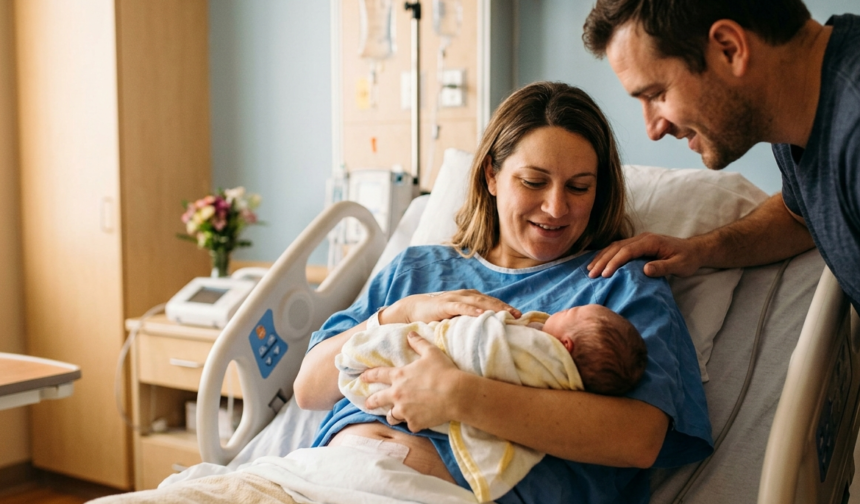
Understanding C-Section: A Brief Overview
A cesarean section, commonly referred to as a C-section, is a surgical procedure utilized for delivering a baby through incisions made in the mother’s abdomen and uterus. This method is often necessary when a vaginal delivery poses a risk to either the mother or the baby. C-sections can be planned in advance, particularly in cases where complications are anticipated, or they can be executed as emergency procedures when unforeseen issues arise during labor.
There are several reasons why a healthcare provider may recommend a C-section. Common medical indications include fetal distress, abnormal positioning of the fetus, previous C-sections, or maternal health concerns that could hamper a vaginal birth. The operation itself typically involves administering anesthesia, usually spinal or epidural, to ensure the mother remains comfortable. Surgeons then make the incisions, delivering the baby, and subsequently closing the incisions to promote healing.
Beyond the physical aspects of undergoing a C-section, the emotional experience can also be profound. Many women may face a range of feelings, from relief to disappointment, particularly if they had hoped for a vaginal delivery. It is important for healthcare providers to support their patients through this transition, acknowledging both the physical recovery required after surgery and the emotional implications that may arise. Furthermore, the recovery period can vary; while some women may heal quickly, others may face challenges, underscoring the need for adequate postpartum care.
In understanding the C-section procedure, expectant mothers can be better prepared for their birthing experience and the subsequent recovery that follows this common surgical delivery method.
Immediate Postoperative Care
After a cesarean section, often referred to as a C-section, a mother enters a critical phase of recovery known as immediate postoperative care. This period is vital for ensuring both the physiological stability of the mother and her successful recovery. Health care providers prioritize monitoring vital signs such as heart rate, blood pressure, temperature, and oxygen levels, as these indicators can reveal potential complications.
Pain management is another essential component of postoperative care. Following a C-section, it is common for mothers to experience significant discomfort due to the surgical incision made in the abdominal wall. Medical professionals typically prescribe analgesics to help manage pain effectively. In some cases, patients may receive epidural or spinal anesthesia that was administered during surgery, continuing to provide pain relief in the immediate hours post-operation. It is crucial for mothers to communicate any pain concerns to the healthcare team, enabling them to adjust medication as needed to improve comfort levels.
Additionally, wound care is an integral part of the postoperative routine. Nursing staff will examine the surgical site for any signs of infection, such as redness, swelling, or unusual discharge. Proper wound care helps facilitate healing while minimizing the risk of complications. Patients are informed about what to look out for at the incision site and when to seek help.
This immediate postoperative phase is vital not only for the physical recovery of the mother but also for emotional support. Being closely monitored and cared for enhances the overall experience and aids in the transition into motherhood. By addressing pain management, monitoring vital signs, and ensuring proper wound care, healthcare providers play an essential role in promoting a smooth recovery following a C-section.
Hospital Stay: What to Expect
After undergoing a C-section, a woman typically remains in the hospital for about three to four days, although this may vary based on individual circumstances and recovery progress. The primary objective of this hospital stay is to ensure that both the mother and the newborn receive adequate medical care and support during the initial days post-delivery.
During the hospital stay, the mother will be closely monitored by the medical staff. Nurses routinely check vital signs, including heart rate, blood pressure, and temperature, to ensure no complications arise from the surgery. Additionally, they will assess the surgical site for any signs of infection and monitor the mother’s pain levels, administering prescribed pain medications as necessary.
Another significant aspect of care during this period includes visits from lactation consultants. These professionals can provide essential guidance and support in establishing breastfeeding practices for new mothers, addressing any concerns or challenges that may arise. It is an opportune moment to ask questions and gain valuable tips tailored to the mother’s needs.
Physical activities such as gentle walking often commence during the hospital stay, usually within the first day after surgery, as this aids in recovery and helps prevent complications like blood clots. Nurses might provide instruction on how to move safely, along with exercises that promote healing while being mindful of the incision site.
In addition to medical care, emotional support plays a crucial role in the experience. Family members and partners are typically encouraged to visit, providing comfort and assistance during this transformative time. It is an important phase for bonding with the newborn, capturing those early moments as they adjust to their new environment.
Nursing and Feeding the Baby
After undergoing a C-section, one of the significant aspects of maternal care in the hospital involves nursing and feeding the newborn. It is essential for mothers to initiate breastfeeding or formula feeding as soon as they feel able, following guidance from healthcare professionals. While some mothers may find breastfeeding challenging initially due to physical discomfort, the support of the nursing staff can make the process significantly easier.
Nurses are trained to assist with various aspects of feeding. For mothers opting for breastfeeding, they provide critical assistance in achieving a comfortable position that accommodates post-surgery recovery. This might involve using pillows for support or guiding mothers to hold their babies in a way that does not strain their incisions. The nursing staff can also show mothers different breastfeeding positions that may be more suitable after a C-section, such as the side-lying position, which can reduce strain on the abdomen.
For those considering formula feeding, nurses are readily available to guide mothers through the preparation and administration processes. They educate mothers on appropriate formula options and help with bottle feeding techniques to ensure that both mother and baby are comfortable during feeding sessions. Additionally, nursing staff can offer advice on establishing a feeding schedule and recognizing the baby’s hunger cues, which is crucial for a newborn’s health.
Breast care is another important consideration during this time. The nursing staff provides invaluable information on maintaining breast health, particularly in preventing issues such as engorgement, which can occur if breastfeeding is delayed. They demonstrate techniques for expressing milk, either by hand or with a breast pump, to relieve discomfort and promote milk production.
In summary, the nursing and feeding process following a C-section is supported by professional guidance tailored to the unique challenges faced by mothers post-surgery. This assistance ensures that bonding with the newborn through feeding is both achievable and enjoyable for mothers during their hospital stay.
Pain Management After C-Section
Following a cesarean section (C-section), effective pain management is vital for recovery. Patients often experience varying levels of discomfort, which can be addressed through a combination of pharmacological and non-pharmacological methods. The choice of pain relief strategies may depend on individual preferences, medical history, and any pre-existing conditions.
Pharmacologically, non-steroidal anti-inflammatory drugs (NSAIDs) and opioids are commonly prescribed to manage post-operative pain. NSAIDs, such as ibuprofen and naproxen, work by reducing inflammation and alleviating pain without the sedative side effects often associated with opioids. These medications can effectively provide relief for many patients and are typically the first-line treatment following surgery. On the other hand, opioids may be utilized for more severe pain that does not respond adequately to NSAIDs. These powerful medications, including oxycodone and morphine, should be prescribed judiciously due to their potential for dependency and side effects.
In addition to medications, various non-pharmacological approaches can play a crucial role in pain management after a C-section. Applying ice packs to the abdominal area can significantly reduce swelling and numb the area, contributing to lower pain levels. Recommended application guidelines include using a pack for 15-20 minutes at a time, several times a day. Furthermore, relaxation techniques such as deep breathing exercises, guided imagery, and gentle movements can enhance comfort levels and aid in the recovery process. These methods encourage better blood circulation and can promote a sense of well-being.
Implementing a comprehensive pain management plan that includes both medications and non-pharmacological strategies can help women recover more comfortably after a C-section, facilitating a smoother transition into motherhood. Proper communication with healthcare providers about pain experiences will ensure personalized and effective pain management protocols are in place.
Physical Rehabilitation and Mobility
Following a Cesarean section (C-section), the recovery process is crucial for new mothers. Mobility plays a significant role in this rehabilitation journey, as early movement can contribute to a smoother, more effective recovery. Physically, engaging in mobility activities helps to improve blood circulation, lessen the risk of complications such as deep vein thrombosis, and facilitate the body’s healing process. Therefore, health care providers often emphasize the importance of initiating movement as soon as it is feasible.
In the initial days post-surgery, mothers are typically advised to begin with gentle movements while remaining mindful of their body’s response. Activities may start with simple actions such as sitting up in bed or taking slow steps around the hospital room. This gradual increase in mobility encourages the body to adapt and can significantly aid in reducing discomfort. It is essential for women to listen to their bodies, taking breaks and resting when necessary.
As part of the rehabilitation program, nursing staff and physical therapists often support mothers in performing exercises specifically designed to enhance core strength and stability. Such exercises may include pelvic tilts and leg slides, which can be performed even while in bed. Over time, patients are encouraged to progress to standing, walking, and engaging in light household activities as allowed by their health care provider.
However, it is important for new mothers to follow individualized recommendations provided by their health care team, considering their unique circumstances and health conditions. Monitoring one’s own comfort level is paramount, as overexertion can lead to setbacks in recovery. Overall, prioritizing physical rehabilitation and mobility can contribute to a more effective healing journey post-C-section.
Emotional and Mental Health Considerations
Undergoing a cesarean section, or C-section, is a significant life event that can lead to various emotional and mental health challenges. It is essential to acknowledge that after the surgical delivery, many mothers may experience a range of feelings, including joy, relief, anxiety, and sadness. These feelings are entirely normal; however, it is crucial to be aware that, for some, these emotions may evolve into more serious issues such as postpartum depression (PPD) or anxiety disorders.
Postpartum depression can occur after any childbirth, but C-section deliveries can potentially introduce unique stresses that may heighten the risk. The physical recovery after surgery, compounded with the emotional adjustments of motherhood and possibly the feelings of loss related to not experiencing a vaginal birth, can contribute to heightened vulnerability. Symptoms of PPD may include persistent sadness, difficulty bonding with the baby, withdrawal from family and friends, and notable changes in sleeping or eating patterns.
Furthermore, anxiety can manifest in new mothers as they adapt to their new responsibilities and changes in lifestyle. Common anxiety symptoms include excessive worrying, irritability, and racing thoughts, which can be exacerbated by the recovery process from surgery. Therefore, addressing mental health is vital during the hospital stay and after discharge.
Hospitals typically provide various resources to support mental well-being, including access to mental health professionals or support groups. Nurses and care team members can also facilitate conversations about emotional health, ensuring mothers feel heard and supported. Seeking help and utilizing available resources can significantly enhance a mother’s recovery process, aiding not only emotional well-being but also fostering stronger connections with their newborn.
Discharge Planning
Discharge planning after a cesarean section (C-section) is a critical aspect of postpartum care, ensuring that mothers transition safely from the hospital to home. The timeline for discharge can vary significantly based on several factors, including the mother’s overall health, the absence of complications, and her ability to care for herself and her newborn. Typically, a mother may be discharged from the hospital within 48 to 72 hours after the procedure, provided that her recovery is progressing well.
Before a mother is discharged, several assessments are conducted to evaluate her physical and emotional well-being. Healthcare professionals will monitor vital signs, assess the surgical incision for any signs of infection, and evaluate the mother’s pain levels. Additionally, her ability to perform basic tasks, such as ambulating (walking) and caring for her newborn, plays a significant role in determining when she is ready to leave the hospital. It is essential for healthcare providers to ensure that mothers feel confident in their ability to manage post-operative care before they go home.
Patient education is a crucial component of discharge planning. Mothers receive detailed instructions regarding pain management, incision care, and signs of potential complications, such as infection or excessive bleeding. Furthermore, they are educated on at-home recovery practices, which may include gradual resumption of daily activities and the importance of follow-up appointments with their healthcare providers. Support systems, such as family involvement and access to community resources, are also discussed to ensure the mother feels supported as she navigates her postpartum recovery.
Post-Discharge Care and Follow-Up
After a cesarean section (C-section), appropriate post-discharge care is crucial for mothers as they begin their journey of recovery. Ensuring that follow-up appointments are scheduled is the first step in this process. Typically, healthcare providers will recommend a follow-up visit between two to six weeks after the surgery. This appointment is critical for monitoring healing and addressing any concerns regarding physical or emotional well-being.
During this follow-up, healthcare professionals will assess the surgical site for any signs of infection, such as increased redness, swelling, or discharge. Additionally, they will inquire about any unusual symptoms, including persistent pain or changes in mood that may indicate postpartum depression. Awareness of these potential complications can significantly affect the speed and quality of recovery.
In the weeks following the C-section, self-care practices are essential for supporting recovery. It is important for mothers to prioritize rest and adhere to recommended activity levels, minimizing strain on the surgical site. Emphasizing a balanced diet and staying hydrated can promote overall healing. Engaging in gentle exercises, as advised by healthcare providers, can also be beneficial. Walking, for example, can help with circulation and prevent complications such as blood clots.
Furthermore, emotional support should not be overlooked. New mothers may experience a range of emotions post-delivery, and discussing these feelings with supportive family members or healthcare professionals can be helpful. Joining support groups where mothers share similar experiences can provide invaluable comfort during this transition period.
In conclusion, post-discharge care after a C-section involves a combination of scheduled follow-up appointments, vigilance for signs of complications, and dedicated self-care practices. Ensuring that these aspects are addressed can significantly enhance the recovery experience for mothers.