
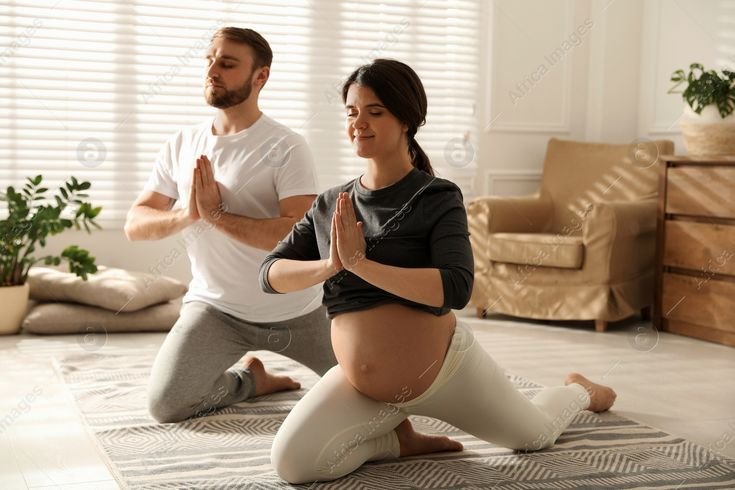
Introduction to Exercise During Pregnancy
Exercise during pregnancy is an essential aspect of maintaining overall health and well-being for both the expectant mother and her developing baby. Engaging in physical activity offers numerous benefits that contribute to a more positive pregnancy experience. Firstly, regular exercise has been linked to improved mood and reduced levels of anxiety and depression, which can often arise during pregnancy. Physical activity stimulates the release of endorphins, also known as “feel-good” hormones, which can help elevate an expectant mother’s mood.
Furthermore, maintaining an active lifestyle can lead to increased energy levels, a vital factor as fatigue is a common complaint during pregnancy. Engaging in moderate exercise can also help alleviate discomforts such as back pain, which many pregnant women experience as their bodies undergo significant changes. Additionally, consistent physical activity may improve sleep quality, as it can help regulate sleep patterns and promote relaxation.
However, while the benefits of exercise during pregnancy are numerous, it is crucial to approach any physical activity with caution. Pregnant women should prioritize safety and consult with a healthcare provider before embarking on a new exercise routine. Medical professionals can offer personalized advice based on an individual’s health history and pregnancy stage, ensuring that chosen activities are both safe and beneficial. Each pregnancy is unique, and what works for one individual may not be suitable for another. Therefore, it’s essential to follow guidance tailored to personal needs.
In summary, exercise plays a pivotal role in enhancing physical and emotional well-being during pregnancy. By staying active, expectant mothers can experience a range of benefits while simultaneously ensuring the safety of themselves and their babies, making it imperative to seek professional advice before initiating any new physical activities.
Types of Safe Exercises for Pregnant Women
During pregnancy, it is vital for women to remain active while ensuring their safety and the wellbeing of their developing baby. Several types of exercises are considered safe and beneficial for pregnant women, categorized into cardiovascular exercises, strength training, flexibility workouts, and relaxation practices. Each category offers unique advantages in preparing for labor and alleviating common discomforts associated with pregnancy.
Cardiovascular Exercises: These exercises enhance heart health and circulation, which is particularly important during pregnancy. Low-impact activities like walking, swimming, and stationary cycling are excellent choices. Engaging in regular cardiovascular workouts can help improve energy levels, manage weight gain, and reduce the risk of gestational diabetes.
Strength Training: Moderate strength training is beneficial for building muscle strength and endurance, which can assist in labor. Exercises such as light weight lifting, resistance band workouts, or bodyweight exercises like squats and modified push-ups can help strengthen the core and pelvic floor muscles. Stronger muscles can help support the additional weight of pregnancy and alleviate back pain.
Flexibility Exercises: Maintaining flexibility is essential during pregnancy to accommodate the body’s changes. Stretching exercises, especially those focusing on the hips, back, and legs, can help enhance mobility and promote relaxation, reducing tension and discomfort.
Relaxation Exercises: Stress management is crucial for pregnant women. Techniques such as prenatal yoga and guided meditation can facilitate relaxation, promote better sleep, and prepare the mind for childbirth. Incorporating these into a regular exercise routine can lead to improved mental wellbeing.
Each of these exercise types plays a significant role in a healthy pregnancy and can aid in preparing for labor while also reducing discomfort. Women should consult with their healthcare provider before beginning any exercise routine to ensure it is appropriate for their specific needs.
Warm-up and Stretching Exercises
Warm-up and stretching exercises play a crucial role in any fitness routine, especially for pregnant women. These activities not only help to prepare the body for physical exertion but also mitigate the risk of injury. During pregnancy, the body undergoes various changes, and warm-ups assist in enhancing blood circulation, loosening the muscles, and increasing flexibility, which is essential for accommodating the growing baby.
Starting with a simple warm-up routine is advisable. Gentle movements such as walking in place or arm circles for 5-10 minutes can elevate the heart rate gradually. This not only starts the physical process comfortably but also helps in mentally gearing up for the workout ahead. The focus should be on fluid movements that engage multiple muscle groups without causing strain.
After the warm-up, incorporating safe and effective stretching exercises can further benefit pregnant women. Stretching can help alleviate tension in common areas such as the lower back, hips, and shoulders. Some beneficial stretches include:
- Cat-Cow Stretch: This involves moving between arching and rounding the back while on all fours. It can relieve back tension and improve spinal flexibility.
- Seated Forward Bend: This stretching exercise can target the hamstrings and lower back. Sitting with legs extended, gently lean forward while keeping the back straight.
- Side Stretch: Standing or sitting, reaching overhead and to the side can help stretch the torso and intercostal muscles, enhancing breathing capacity.
- Piriformis Stretch: By sitting cross-legged and leaning forward, this exercise can help to relieve tightness in the hips and glutes.
Engaging regularly in warm-up and stretching exercises during pregnancy can lead to improved flexibility, reduced discomfort, and enhanced overall well-being. Ensuring these exercises are done with proper form and care will maximize benefits while minimizing risks.
Cardiovascular Exercises
Cardiovascular exercises are highly beneficial for pregnant women, offering numerous advantages, including improved cardiovascular health and increased stamina. Engaging in these exercises can help manage weight gain, enhance mood, and promote overall well-being during pregnancy. Some of the most effective cardiovascular exercises that can be performed at home include walking, stationary cycling, and low-impact aerobics.
Walking is perhaps the simplest yet most effective form of cardiovascular exercise for expectant mothers. It can be easily integrated into daily routines and performed at a comfortable pace. Ideally, pregnant women should aim for at least 150 minutes of moderate-intensity aerobic activity each week, which equates to about 30 minutes a day on most days. If short on time, women can break this down into shorter sessions, such as three 10-minute walks throughout the day, which is equally beneficial.
Stationary cycling is another excellent option, particularly for those who prefer staying indoors. It is easier on the joints and offers a good cardiovascular workout. Cyclists should engage in stationary cycling sessions for 20 to 30 minutes, two to three times per week, adjusting the duration and intensity based on comfort and trimester progression.
Low-impact aerobics provide a full-body workout while minimizing stress on the joints. This form of exercise can include basic dance movements or structured classes designed for pregnant women. Regular participation in such aerobics can yield benefits like enhanced cardiovascular endurance and increased energy levels.
In conclusion, incorporating cardiovascular exercises like walking, stationary cycling, and low-impact aerobics into a pregnancy fitness routine can significantly benefit overall health and wellness. It is essential for pregnant women to listen to their bodies and consult healthcare providers to tailor a regimen that safely accommodates their specific needs and pregnancy stage.
Strength Training Exercises
Strength training plays a crucial role in maintaining muscle tone and enhancing overall health during pregnancy. It is important for pregnant women to engage in exercises that are safe and effective. Bodyweight exercises and the use of resistance bands are excellent options because they can be done safely at home and can be easily modified as the pregnancy progresses.
Some effective bodyweight exercises include squats, push-ups, and lunges. These exercises not only target major muscle groups but also help improve balance and stability, which is essential as the body undergoes changes during pregnancy. For instance, squats can strengthen the lower body muscles, while push-ups work the upper body and core. It is advisable to perform these exercises with proper form to prevent injuries.
Resistance bands are another great tool for strength training. They provide a versatile way to add resistance to exercises without the risk of heavy weights. Pregnant women can use bands to perform exercises such as seated rows, bicep curls, and tricep extensions. These movements effectively engage different muscle groups and contribute to overall muscle tone. The bands can be easily adjusted to cater to varying resistance levels, making them suitable throughout the pregnancy.
As pregnancy progresses, modifications may be necessary. For example, a pregnant woman may opt for wall push-ups instead of traditional push-ups as her belly grows. It is essential to listen to one’s body and consult a healthcare provider before starting or modifying any exercise routine.
Maintaining muscle tone during pregnancy is beneficial not only for physical fitness but also for preparing the body for labor and recovery postpartum. Overall, integrating strength training exercises into a regular workout regimen can provide numerous advantages for pregnant women.
Flexibility and Balance Exercises
During pregnancy, a woman’s body undergoes significant changes that can impact flexibility and balance. These changes can lead to discomfort and an increased risk of injury. Therefore, incorporating flexibility and balance exercises into a prenatal fitness routine is essential. Such exercises not only enhance physical well-being but also prepare the body for childbirth.
Yoga is one effective method for improving flexibility and balance during pregnancy. It emphasizes gentle stretching and breathing techniques that help manage physical discomfort. Many poses, such as the cat-cow stretch and warrior pose, can be beneficial. These exercises can promote relaxation, reduce stress, and increase body awareness, all vital components during this transformative time.
Pilates is another excellent option, focusing on core strength, flexibility, and coordination. Pilates exercises for pregnant women are carefully designed to avoid excessive strain on the body while still providing substantial benefits. Exercises like the modified pelvic tilt and the side-lying leg lift help in strengthening key muscle groups necessary for labor and recovery.
When engaging in flexibility and balance exercises, it is crucial to prioritize safety. Pregnant women should listen to their bodies, avoiding any movements that cause discomfort or strain. Additionally, using props, such as yoga blocks or cushions, can aid in achieving proper alignment and support during exercises. Ensuring a stable environment free from hazards is also essential to prevent accidental falls, which can occur as balance shifts throughout pregnancy.
In conclusion, flexibility and balance exercises are invaluable during pregnancy, enhancing physical comfort and stability. Women who engage in yoga or Pilates can effectively manage their body changes and improve their balance, ultimately fostering a healthier pregnancy experience.
Cool Down and Relaxation
Cooling down after exercise is a vital component of any fitness routine, particularly for pregnant women. It assists in gradually lowering the heart rate, helping the body to transition smoothly from an active state to rest. Engaging in a proper cool-down session can alleviate muscle stiffness and soreness, while facilitating recovery, which is essential during pregnancy.
One effective cool-down exercise is gentle stretching. Focus on stretches that target major muscle groups, such as the back, legs, and arms. For instance, seated forward bends can help stretch the hamstrings, while side stretches can relieve tension in the lower back. It is important that stretches are performed slowly and with controlled breathing, as this promotes relaxation and reduces the risk of injury.
Moreover, incorporating deep breathing exercises into your cool-down routine can significantly enhance relaxation. You might find it beneficial to practice diaphragmatic breathing, where you inhale deeply through the nose, allowing the abdomen to expand, and then exhale slowly through the mouth. This technique can help to calm the mind and reduce feelings of anxiety, which may arise during pregnancy.
Another calming practice to include in your cool-down is mindfulness or meditation. Spending a few minutes focusing on your breath or visualizing peaceful scenes can help to center your thoughts and prepare the body for a restful state. Engaging in visualization techniques can be particularly advantageous, as they allow pregnant women to connect with their bodies and their babies, fostering a sense of well-being.
In summary, a thorough cool-down regimen is essential for pregnant women. It not only aids in physical recovery from workouts but also promotes emotional and mental wellness. By incorporating gentle stretches, breathing techniques, and mindfulness practices into your cool-down routine, you can support both your health and your baby’s well-being throughout your pregnancy journey.
Exercise Modifications and Precautions
Engaging in physical activity during pregnancy is highly beneficial, but it is crucial to modify exercises to accommodate the body’s changing physiology. As the pregnancy progresses, women may experience a growing belly, increased weight, and a shifting center of gravity, all of which necessitate careful adjustments to their exercise routines. The primary goal is to ensure safety for both the mother and the developing baby.
When modifying exercises, consider reducing the intensity or duration. For example, if performing aerobic exercises like running or jumping, transitioning to lower-impact alternatives such as walking or cycling can significantly lessen stress on the joints while still promoting cardiovascular health. Moreover, it’s advisable to avoid exercises that require lying flat on the back after the first trimester, as this position may restrict blood flow to the uterus.
Additionally, keeping the core engaged can help maintain stability and balance as the pregnancy advances. Utilizing supportive equipment, such as resistance bands, stability balls, or yoga blocks, can provide extra support during workouts. Staying hydrated and listening to the body’s signals is paramount; common signs of overexertion include dizziness, shortness of breath, and the presence of severe fatigue.
It is also essential to be aware of any risk factors or complications that may arise during pregnancy. Conditions such as preeclampsia, gestational diabetes, or preterm labor could necessitate further modifications or even cessation of certain exercises. Consulting healthcare providers is vital for creating a safe and effective exercise plan that minimizes risks while enhancing overall well-being.
Conclusion and Encouragement
Engaging in regular exercise during pregnancy can offer numerous benefits for both the mother and the developing baby. Maintaining a consistent fitness routine may help alleviate common pregnancy discomforts, improve mood, and enhance overall physical well-being. Furthermore, staying active may contribute significantly to easier labor and delivery. Therefore, it is crucial for pregnant women to find safe and enjoyable exercises that align with their lifestyle and preferences.
As you navigate your fitness journey, remember that the key is to listen to your body. Each pregnancy is unique, and what works for one person may not be suitable for another. It is important to consult with a healthcare provider before starting any new exercise regimen, ensuring that the chosen activities are safe and appropriate for your personal stage of pregnancy.
Incorporate exercises that you enjoy; be it walking, swimming, yoga, or light strength training. Enjoyable activities can help you remain motivated throughout your pregnancy. To keep yourself enthusiastic about staying active, consider setting achievable goals and celebrating milestones, no matter how small they may seem. Connecting with other expectant mothers can also provide valuable support and motivation as you share your experiences and challenges.
Ultimately, embracing physical activity during pregnancy lays a foundation for a healthy lifestyle that continues well into motherhood. By prioritizing your well-being, you are not only benefiting yourself but also providing the best possible start for your baby. Stay positive, stay active, and enjoy this remarkable journey of motherhood!