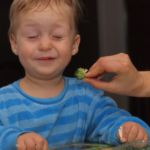

Introduction to Baby Development Milestones
Baby development milestones are essential benchmarks that indicate the progress of a child’s growth and cognitive development during their formative years. These milestones offer insights into the physical, emotional, and social capabilities that children typically achieve as they age, particularly in their first year of life. Understanding these milestones is crucial for parents and caregivers, as they help identify the appropriate developmental stages and any potential concerns that may require attention.
During the first twelve months, babies undergo significant transformations, resulting in a wide range of skills and behaviors. From basic reflexes and motor functions to heightened social interactions and language skills, each phase presents unique challenges and achievements. For example, an infant typically begins to demonstrate head control by two months, while by six months, many can sit without assistance. Moreover, the first birthday often marks the beginning of walking, signifying a major leap in physical development.
The significance of monitoring these milestones lies in their ability to provide reassurance to parents about their child’s growth trajectory while also highlighting areas that may need further exploration. Recognizing deviations from expected milestones can enable timely interventions, ensuring that any potential developmental delays are addressed effectively. Thus, caregivers are encouraged to create a supportive environment that fosters healthy development, ensuring that children receive the stimulation and encouragement they need to thrive during this pivotal time.
Milestones in the First Month
The first month of a baby’s life is a remarkable period characterized by rapid development across multiple dimensions. During this time, infants typically demonstrate several key milestones in physical movements, sensory experiences, and early social interactions that lay the groundwork for future growth.
Physically, newborns begin to show reflexive movements, such as rooting and grasping. These reflexes are crucial as they indicate the baby’s neurological development and ability to respond to stimuli. By the end of the first month, many infants can lift their heads slightly while lying on their stomachs, albeit briefly. This initial ability to move is the precursor to future motor skills, such as rolling over and eventually crawling.
From a sensory perspective, newborns have limited vision at birth, primarily seeing blurry forms within a short distance. However, they are attracted to high-contrast patterns and bright colors, which engage their developing visual systems. Hearing is well-developed from birth, and infants will respond to familiar voices and sounds, showing increased alertness when they hear them. This early exposure to sounds supports language development, which will be critical in subsequent months.
Social interaction is another vital milestone during this initial month. Newborns start to communicate through cries and facial expressions, indicating different needs, such as hunger or discomfort. Parents and caregivers play a significant role in this phase by responding to these cues, fostering a sense of security and trust. Engaging in gentle eye contact and talking to the baby can significantly enhance their social and emotional development.
New parents are encouraged to promote their baby’s early development by providing a safe environment that encourages tummy time, talking to them regularly, and ensuring they have a variety of visually stimulating toys. These practices will support not only physical strength but also cognitive and social growth as the infant progresses beyond this initial month.
Milestones in the Second Month
During the second month of life, significant advancements begin to emerge as infants continue their journey of development. One of the most notable improvements during this period is the enhancement in vision. Infants at this age start to see beyond blurry shapes and are capable of tracking moving objects more effectively. They may demonstrate a preference for looking at faces and bright colors, indicating that visual acuity is developing along with their overall sensory awareness.
Social responsiveness also takes center stage in the second month. Babies begin to exhibit a greater range of social interactions. For example, they might start to smile in response to seeing familiar faces, signifying an early form of social engagement. This growing interaction emphasizes the importance of parental involvement during this stage. Engaging babies through eye contact, gentle talking, and smiling can greatly nurture their social skills and emotional connections.
In addition to social development and vision, physical movements also see noticeable changes. Infants may start to show more control over their head movements, lifting their heads during tummy time for brief periods. Encouragement from parents during these moments can foster further development. Placing toys within their line of sight can motivate babies to reach and grasp, encouraging motor skills while stimulating cognitive awareness through play.
To maximize these developmental milestones, parents are encouraged to create a supportive environment. Talking to the baby during daily routines, allowing for plenty of tummy time, and introducing colorful toys can stimulate the senses and facilitate growth. Overall, active involvement and responsive interaction during this crucial time can substantially enhance a baby’s development in critical areas.
Milestones in the Third Month
The third month of a baby’s life marks a significant period of development as infants begin to exhibit a range of exciting milestones. During this month, many babies develop improved head and neck control. This enhancement allows them to lift their heads while lying on their stomachs, an essential prelude to crawling and other forms of movement. The ability to maintain head stability is foundational, showcasing the fine-tuning of the neck muscles and signaling a step toward greater physical independence.
Additionally, vocalizations become more pronounced during this stage. Infants begin to experiment with sounds, transitioning from reflexive cries to cooing and gurgling. This vocal development is not just about making noise; it represents an early form of communication that fosters bonding with caregivers. Caregivers often respond to these sounds, encouraging babies to continue their vocal exploration, which lays the groundwork for language development in the future.
Another milestone to note is the increased interaction with caregivers. Babies become more aware of their surroundings and start to respond to social cues, such as facial expressions and vocal tones. This reciprocal interaction is crucial as it nurtures emotional development, allowing infants to feel a sense of security and attachment with their caregivers. Play becomes an essential component of these interactions, as it not only promotes cognitive development but also enhances fine motor skills. Engaging in various forms of play, like reaching for toys and attempting to grasp objects, stimulates the brain and encourages exploration of the environment. In this way, the third month serves as a pivotal point for foundational developmental achievements.
Milestones in the Fourth Month
The fourth month of a baby’s life is marked by significant developments across various domains such as mobility, fine motor skills, and social interaction. During this period, infants typically begin to show improved control over their body movements. One of the notable milestones in mobility is rolling over, which many babies accomplish around this age. This newfound ability not only strengthens their muscles but also enhances their spatial awareness as they explore their surroundings.
Furthermore, fine motor skills take a leap forward during the fourth month. Babies start developing greater dexterity and coordination, allowing them to grasp objects more effectively. They may begin to bat at toys and reach for items, showcasing their growing interest in engaging with the physical world around them. These activities are crucial as they lay the foundation for more complex motor skills that will emerge in subsequent months.
Social engagement also undergoes significant transformation during this stage. Infants often become more expressive, showing a wider array of emotions through facial expressions and vocalizations. They may engage in cooing and gurgling, inviting interaction from caregivers. This social responsiveness is foundational in building secure attachments and enhancing communication skills as they grow.
To foster these developments, caregivers can introduce activities that stimulate growth. Providing various textures and shapes for babies to grasp can enhance fine motor skills. Additionally, interactive play, such as tummy time, allows infants to practice rolling and strengthens their neck and shoulder muscles. Creating a nurturing environment that encourages exploration and interaction is vital for optimal development during this crucial month.
Milestones in the Fifth Month
The fifth month of a baby’s life marks a significant period of development, characterized by notable physical and emotional changes. Babies typically become more active during this time, exploring their environment with increased curiosity. One of the most remarkable milestones seen at this stage is the ability to sit with support. This development not only enhances a baby’s strength and balance but also allows for a greater range of interaction with their surroundings.
As babies gain the ability to sit upright, they begin to engage with toys and objects in new ways. Grasping objects becomes an important milestone, as they learn to hold various items, bringing them closer to their faces to explore through sight, sound, and taste. The use of their hands becomes more refined, allowing for improved coordination, which is essential for future skills, such as self-feeding and later, writing.
Alongside these physical developments, emotional milestones also emerge around the fifth month. Babies start to display a wider range of emotions, often smiling in response to caregivers, and even showing signs of frustration when objects are out of reach. These emotional exhibitions are vital for socialization, as they lay the foundation for future interactions with others. Parents should encourage their child’s exploration while ensuring a safe environment to facilitate sensory experiences. This not only stimulates cognitive development but also fosters their understanding of the world around them.
Safe exploration during this stage is crucial, as it supports all areas of a baby’s growth and development. Providing a variety of textures, shapes, and colors can enrich sensory experiences, encouraging curiosity and engagement. Overall, the milestones that occur in the fifth month are integral to a baby’s progression, shaping their physical abilities and emotional intelligence.
Milestones in the Sixth Month
The sixth month of a baby’s life marks a significant phase in their development, as numerous milestones are achieved during this time. One of the most noteworthy milestones is the ability to sit independently. By this age, many infants can support their weight on their hands and begin to sit without any assistance for brief periods. This newfound ability not only aids in physical development but also enhances sensory exploration. Sit-up play encourages a baby’s muscles to adapt and strengthen, laying a foundation for future movements such as crawling.
Another critical milestone observed during this period is the onset of babbling. This form of vocalization is a precursor to language development, where babies produce repetitive consonant-vowel combinations. Such early attempts at communication are essential, as they open doors to social interactions. Engaging with a baby during this stage is crucial; parents and caregivers should respond to their babbling and make eye contact, fostering a communicative bond and encouraging further vocal experimentation.
To support these milestones effectively, creative playtime ideas can play a significant role. Activities such as singing songs, reading colorful books, and playing with textured toys provide sensory inputs that stimulate both language and motor skills. For instance, playing peek-a-boo not only promotes social interaction but also enhances cognitive skills as babies learn about object permanence. These playful interactions are essential for nurturing emotional and social connections, reinforcing the baby’s confidence to explore their environment further.
Milestones in the Seventh to Ninth Months
During the seventh to ninth months of life, significant progress occurs in a baby’s physical and emotional capabilities. One of the most notable developments during this period is the achievement of crawling. Babies typically begin to explore their environment more actively around seven months, learning to crawl or scoot to reach their desired objects. This newfound mobility opens up a world of exploration, encouraging cognitive and sensory development.
In addition to crawling, many babies begin to pull themselves up to a standing position by around eight months. This milestone not only signifies increased strength and coordination but also lays the foundation for future walking skills. As they pull up to stand, babies develop their balance and core strength, further preparing them for the next developmental phase.
Emotional milestones also emerge during this period, with many infants displaying signs of stranger anxiety. Babies may become more wary of unfamiliar individuals and seek comfort from their caregivers. This is a normal part of emotional development, as they begin to form secure attachments and recognize the differences between familiar faces and strangers. Understanding this behavior can help caregivers respond appropriately, providing reassurance to help ease anxiety.
As parents navigate these milestones, establishing consistent routines becomes increasingly important. Regular schedules for feeding, playtime, and sleep can help create a sense of security for the baby. Furthermore, ensuring a safe exploration environment allows the infant to develop confidence and curiosity without exposing them to potential hazards.
The milestones achieved between seven and nine months are crucial indicators of a child’s growth and development. Parents should celebrate these advancements while maintaining a focus on safety and emotional well-being.
Milestones in the Tenth to Twelfth Months
During the tenth to twelfth months of life, babies experience remarkable growth and development across various domains including motor skills, language acquisition, and social-emotional interactions. One of the most anticipated milestones in this period is the onset of walking, typically beginning around the tenth month. As babies strengthen their leg muscles and gain coordination, they may start by pulling themselves up, cruising along furniture, and finally taking independent steps.
Language development also accelerates during these months. By their first birthday, many infants can say their first recognizable words such as “mama” or “dada”. This phase marks a significant leap in cognitive development, as babies begin to understand that words represent objects and actions in their environment. Parents can encourage this linguistic growth through interactive dialogue, reading together, and responding to their babbling, thereby fostering an enriched language-learning atmosphere.
Equally important are the social and emotional milestones that unfold during this stage. Babies become more aware of their surroundings and are increasingly engaging with caregivers and peers. They demonstrate attachment by displaying separation anxiety, which signifies a developing understanding of their relationships. To support this emotional growth, parents should provide comfort and reassurance, allowing their children to explore their environment safely while establishing a secure base to return to.
As infants approach their first birthday, it is crucial for parents to be responsive to their child’s developmental needs. Creating an enriching environment filled with opportunities for exploration, language interaction, and social play will help facilitate smooth transitions into toddlerhood. Encouraging secure attachments through consistent caregiving fosters confidence and readiness for the tasks ahead.